
Create Material Create Material

2026 Top Steel Sheet Types for Global Buyers?

Time:2026-09-25 Author:Henry
0%

In 2026, global buyers will face more choices when selecting Steel Sheet for construction, machinery, energy, and transport projects. The right option depends on strength, surface finish, corrosion exposure, forming requirements, and delivery conditions. Hot-rolled sheet suits heavy fabrication and structural parts, while cold-rolled sheet offers smoother surfaces and tighter dimensions. Galvanized sheet adds zinc protection for outdoor applications. Stainless steel remains valuable where hygiene, heat, or chemical resistance matters.

The details matter. A buyer in coastal Spain may prioritize corrosion resistance, while a manufacturer in Southeast Asia may focus on humidity, forming, and stable supply. High-strength low-alloy grades can reduce weight, but they may require different welding practices. Aluminum-coated and pre-painted sheets also deserve attention when appearance and long service life are important. No single grade wins everywhere.

This guide compares leading Steel Sheet types expected to remain important in 2026. It considers practical selection factors, including thickness tolerance, coating weight, mechanical properties, edge quality, packaging, and inspection documents. Buyers should review mill test certificates and confirm applicable ASTM, EN, JIS, or project-specific requirements. Supplier experience matters, but paperwork alone is not enough. Samples, production references, and independent inspection can reveal problems early.

Some assumptions may fail. A lower price can become expensive after rejected coils, delayed customs clearance, or unsuitable forming performance. This overview cannot replace engineering validation for critical applications. It aims to support clearer questions, more reliable comparisons, and purchasing decisions grounded in real operating conditions.
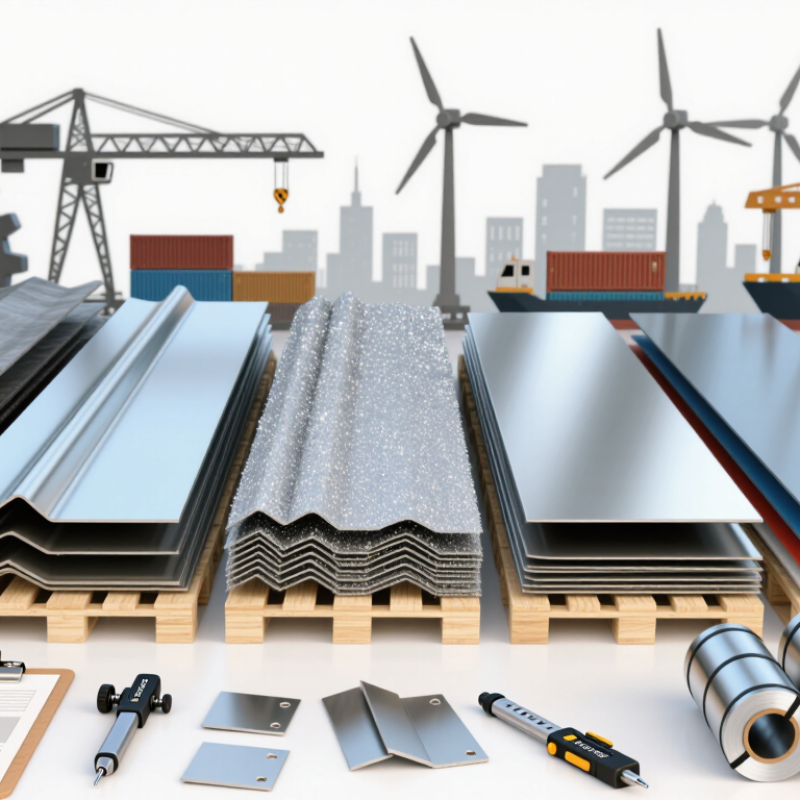
2026 Top Steel Sheet Types for Global Buyers?

What Steel Sheets Are and How They Are Made

Steel sheets are flat steel products, usually supplied in coils or cut lengths. Their thickness, surface, strength, and coating determine their use. The World Steel Association reported about 1.89 billion tonnes of crude steel production in 2023. A large share eventually becomes sheet for vehicles, buildings, appliances, and machinery.

Manufacturing begins with ironmaking and steelmaking. Molten steel is cast into slabs. Hot rolling then reduces the slab between powerful rollers, often above 900°C. This process creates hot-rolled sheet with a rougher surface and wider dimensional tolerance. It suits structural frames, platforms, and heavy equipment. Cold rolling follows at room temperature. It produces thinner sheet with better surface finish and tighter dimensions. The International Energy Agency identifies material efficiency and lower-emission production as major priorities for steelmaking.

Coated sheets add another layer of performance. Galvanized steel receives a zinc coating, commonly through continuous hot-dip galvanizing. The coating helps protect exposed areas from corrosion. Prepainted sheet adds a controlled organic finish for roofing and wall systems. High-strength low-alloy sheet uses small alloy additions to improve strength without excessive thickness. The World Steel Association’s Steel Statistical Yearbook supports the continuing importance of flat products in industrial supply chains, although regional product categories differ. A simple ranking can mislead. Buyers should verify grade, coating mass, yield strength, thickness tolerance, surface class, and test certificates before ordering. Small specification gaps can create large fabrication problems.

Which Steel Sheet Types Are Most Widely Used in 2026?

Hot-rolled steel sheet remains one of the most widely used types in 2026. It supports structural frames, heavy equipment, bridges, and general fabrication. Its rough surface and lower processing cost suit large, visible components. The World Steel Association reported global crude steel production of about 1.88 billion tonnes in 2024, showing the enormous industrial base behind sheet supply. However, crude steel output is not the same as sheet consumption. That distinction matters.

Cold-rolled sheet is common in vehicle panels, appliances, furniture, and precision enclosures. It offers tighter thickness control and a smoother surface than hot-rolled material. Galvanized sheet adds zinc protection and is widely selected for roofing, ductwork, automotive parts, and outdoor equipment. Construction demand remains a major driver, while vehicle manufacturing raises requirements for formability and surface quality. The OECD’s Steel Market Developments reports repeatedly identify construction and automotive activity as key influences on global steel demand.

Stainless steel sheet serves kitchens, medical facilities, chemical equipment, and architectural interiors. It usually costs more, but corrosion resistance can reduce maintenance over years. Electrical steel is more specialized, appearing in transformer cores and motors. The International Energy Agency links electric motor and grid investment with rising demand for efficient electrical materials. Buyers should still verify coating mass, yield strength, tolerances, and mill certificates. A cheaper sheet can become expensive after fabrication problems. Regional standards also differ, and product labels are not always perfectly comparable.

How Steel Grades, Coatings, and Finishes Differ

2026 Top Steel Sheet Types for Global Buyers?
How Steel Grades, Coatings, and Finishes Differ

Steel sheet selection starts with the job, not the label. Low-carbon grades bend readily for formed panels, while high-strength low-alloy grades can reduce thickness in load-bearing parts. Stainless steel relies on chromium for corrosion resistance, but its performance still depends on grade and environment. A grade name alone rarely tells the whole story.

Coatings change how a sheet handles moisture, chemicals, and fabrication. Zinc coatings provide sacrificial protection, while organic paint adds a colored barrier that can scratch or wear. AMPP’s 2016 IMPACT study estimated global corrosion costs at $2.5 trillion annually, around 3.4% of global GDP. That matters. Buyers should compare coating type and mass, not just appearance, and check whether cut edges or formed areas need extra protection.

Surface finish affects both function and appearance. Hot-rolled sheet may retain scale; pickling removes it, while cold rolling creates a smoother surface for tighter tolerances or visible panels. The World Steel Association reported 1,882.6 million tonnes of global crude steel production in 2024, underscoring the market’s scale—not guaranteeing uniform sheet quality. Ask for mill test certificates and confirm the applicable grade standard, coating specification, thickness tolerance, and finish. One practical caveat: a highly polished sample can hide how the sheet behaves after forming.

Where Each Major Steel Sheet Type Performs Best

Steel sheet selection works best when the service environment leads the decision. Hot-rolled sheet suits welded frames, brackets, and equipment bases where strength and easy forming matter more than a smooth finish. Its surface can carry mill scale, so it is less suitable when appearance or precise coating thickness matters. Cold-rolled sheet performs well in cabinets, appliance panels, and vehicle interiors. It offers tighter dimensions and a cleaner surface, but dents and corrosion can become concerns if the finish is damaged.

Galvanized sheet is a practical choice for ducts, outdoor enclosures, and roofing components exposed to moisture. The zinc layer helps protect cut edges, though prolonged contact with harsh chemicals can still cause problems. Stainless sheet is better suited to food-processing surfaces, washdown areas, and equipment exposed to corrosive conditions. Grade selection matters; “stainless” does not mean immune to every chemical or environment. Check the actual exposure, not just the label.

Pre-painted sheet works well for building panels and appliances when consistent color and quick installation are priorities. For motors and transformers, electrical steel is designed to guide magnetic flux and reduce energy losses. A useful rule, but not a perfect one: forming, joining, and maintenance can change which sheet performs best. Test a sample under real conditions when the consequences of a poor choice are costly.

How Global Buyers Compare Specifications and Suppliers

Global buyers should compare steel sheets against one shared specification, not a supplier’s headline description. State the grade, thickness, width, length, surface finish, and intended forming or fabrication process. A sheet for a folded enclosure may need different properties from one used for a structural panel. Check stated thickness tolerances and flatness, too. Small gaps matter.

Ask each supplier for a current mill test certificate and confirm that its heat or batch number matches the shipment documents. Compare coating mass, surface condition, edge quality, and packaging where relevant. Request clear photos or a sample when appearance is critical. A neat quotation can still leave key details unclear. Put questions in writing.

Price is only one part of the comparison. Review minimum order quantities, production lead time, shipment schedule, and how damaged or nonconforming sheets are handled. Check whether the supplier can provide the same documentation and specifications for repeat orders. A simple comparison table helps, but it is not perfect: quoted lead times can shift, and sample sheets may not reveal every batch variation. Leave room for inspection and confirm acceptance criteria before placing an order.

FAQS

How should I choose a steel sheet grade?

Start with the job. Low-carbon steel bends readily, while high-strength grades can support thinner load-bearing parts. A grade name alone is not enough.

What does a zinc coating do?

Zinc provides sacrificial protection against corrosion. Compare coating mass, not appearance alone. Cut edges may need extra protection.

How do paint coatings differ from zinc coatings?

Organic paint adds a colored barrier, but it can scratch or wear. A neat surface may hide damage after forming.

What is the difference between hot-rolled and cold-rolled sheet?

Hot-rolled sheet may retain scale. Pickling removes it, while cold rolling creates a smoother surface and can support tighter tolerances.

What details should a shared buying specification include?

State the grade, thickness, width, length, finish, and intended fabrication process. Include thickness tolerance and flatness. Small gaps matter.

Which documents should I request from a supplier?

Request a current mill test certificate. Check that its heat or batch number matches the shipment documents. Put unclear details in writing.

How can I assess sheet appearance before ordering?

Request clear photos or a sample when appearance matters. A polished sample may not show how the sheet looks after forming.

What should I compare besides price?

Compare minimum order quantities, lead times, shipping schedules, and handling of damaged sheets. Confirm acceptance criteria before ordering. Lead times can shift.

Conclusion

This guide explains how a Steel Sheet is produced, from forming and rolling to the treatments that prepare it for different applications. It surveys the sheet types most commonly used by global buyers in 2026, including hot-rolled, cold-rolled, galvanized, and coated options, and describes how grades, coatings, and surface finishes affect strength, corrosion resistance, appearance, and workability.

Readers will learn where each major type performs best, from construction and transportation to appliances and general manufacturing. The guide also outlines practical ways to compare specifications and suppliers, such as checking thickness, dimensions, grade requirements, coating details, finish, tolerances, and documentation. By matching these factors to the intended use, buyers can make clearer comparisons and select steel sheets that meet project needs for performance, consistency, and value.

Henry

Henry

Henry is a dedicated marketing professional with a profound expertise in the company's offerings. With years of experience in the industry, he possesses an impressive understanding of the market dynamics and consumer behaviors that drive success. Henry is committed to sharing his insights through......