 Create Material
Choosing the best China HR Steel Sheet is not a simple price comparison. Global buyers need verified chemistry, stable thickness, clean surfaces, and dependable delivery records.
The World Steel Association reported approximately 1.88 billion tonnes of crude steel production in 2024. That scale creates choice, but also hides uneven quality. The OECD Steel Outlook 2025 estimated global excess steel capacity at nearly 600 million tonnes. Buyers should therefore examine the mill, not only the quotation.
Edwin Basson, Director General of worldsteel, has described steel as “a critical enabler of the energy transition.” His statement highlights why dependable sheet matters in construction, machinery, transport, and renewable-energy equipment. A weak coil can create visible edge cracks, uneven bends, or costly production delays. Small defects become expensive quickly.
The best HR Steel Sheet depends on the application. Structural projects may require EN 10025 grades, while American buyers often request ASTM A1011. Japanese specifications may reference JIS G3131. Buyers should compare yield strength, tensile strength, elongation, dimensional tolerance, and surface condition. Mill test certificates must match the actual heat number.
Ask for third-party inspection when shipment value or technical risk is high. Check coil weight, packaging, rust protection, and loading photographs. Confirm whether the supplier can provide samples before mass production.
A low price is tempting. It is not proof of value.
I would also question overly perfect claims. Some suppliers promise identical quality across every coil, yet real production can vary. A reliable sourcing decision combines laboratory evidence, factory experience, and transparent communication. This guide evaluates China-made HR Steel Sheet through those practical standards, rather than treating one grade or one supplier as universally best.
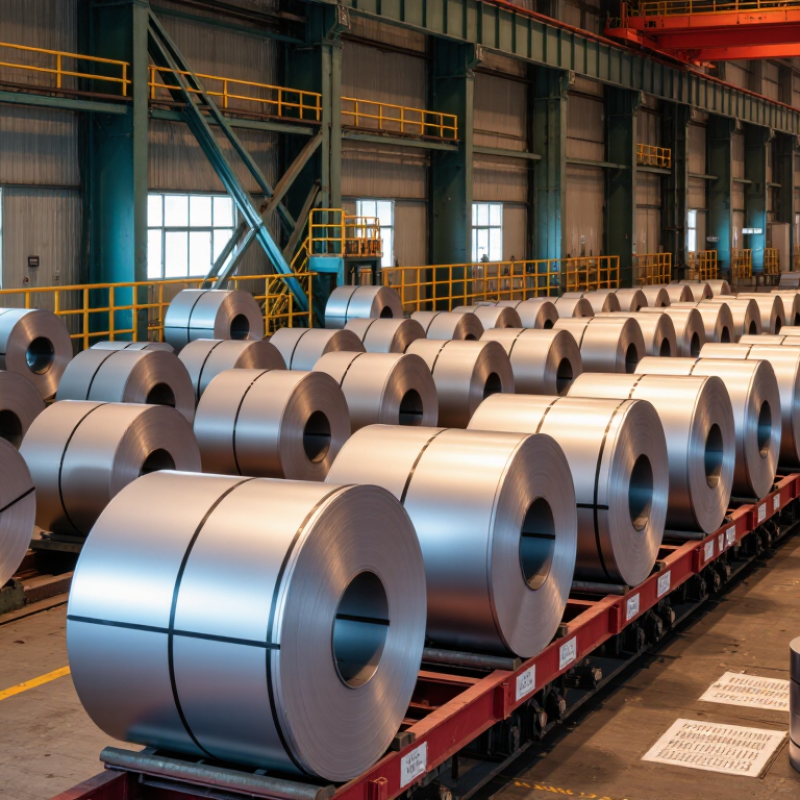
For global buyers, China hot-rolled steel sheet is often compared through yield strength, grade, and production standard. The common Q235B grade offers a minimum yield strength near 235 MPa, while Q355B generally starts near 355 MPa. These values can change with thickness, so a simple grade comparison is incomplete. GB/T 700 and GB/T 1591 should be checked against the purchase specification. EN S235JR and S355JR may look similar, but their chemistry, impact testing, and delivery conditions are not identical.
The World Steel Association reported approximately 1.02 billion tonnes of crude steel production in China during 2023. This scale supports broad supply capacity, yet capacity does not guarantee consistent sheet quality. Buyers should request heat numbers, chemical analysis, tensile results, thickness tolerance, and surface inspection records. EN 10025-2 and ASTM specifications may require different tests, even when the nominal strength appears close. ASTM A36, for example, typically uses a 250 MPa minimum yield requirement, while ASTM A572 Grade 50 commonly reaches 345 MPa. Nearly comparable.
From practical procurement experience, Q235B suits many general structures, brackets, and fabricated parts. Q355B offers greater strength and can reduce section weight, but welding procedures and impact requirements deserve closer review. One weakness remains: translated certificates may hide test conditions or thickness limits. Independent verification is sensible for critical orders. Strength alone is never enough.
| Standard | Grade | Minimum Yield Strength | Typical Tensile Strength | Minimum Elongation | Common Product Form | Typical Applications | Global Purchasing Notes |
|---|---|---|---|---|---|---|---|
| GB/T 700 | Q235B | 235 MPa for thickness ≤16 mm |
370–500 MPa | Approximately 26% | Hot-rolled sheet, strip, and plate | General fabrication, frames, brackets, structural parts | A common commercial structural grade; verify the exact thickness range and inspection requirements. |
| GB/T 1591 | Q355B | 355 MPa for thickness ≤16 mm |
470–630 MPa | Approximately 21% | High-strength hot-rolled sheet and plate | Load-bearing structures, machinery components, bridges, and welded fabrications | Provides higher strength than Q235B; confirm impact-test, delivery-condition, and welding requirements. |
| EN 10025-2 | S235JR | 235 MPa for thickness ≤16 mm |
360–510 MPa | Approximately 26% | Hot-rolled structural sheet and plate | General structural and welded construction | The “JR” designation refers to Charpy impact energy tested at 27 J at +20°C. |
| EN 10025-2 | S275JR | 275 MPa for thickness ≤16 mm |
410–560 MPa | Approximately 23% | Hot-rolled structural sheet and plate | Structural frames, platforms, supports, and general engineering | Useful where a moderate increase in yield strength is required over S235JR. |
| EN 10025-2 | S355JR | 355 MPa for thickness ≤16 mm |
470–630 MPa | Approximately 22% | High-strength structural sheet and plate | Heavy structures, cranes, machinery, bridges, and welded components | A widely specified 355 MPa class; do not treat it as automatically identical to Q355B without project approval. |
| ASTM A36/A36M | A36 | 250 MPa minimum | 400–550 MPa | Approximately 20% in 200 mm | Hot-rolled structural sheet, plate, and shapes | General construction, bases, brackets, frames, and welded parts | Confirm the applicable thickness, product form, and edition of the ASTM specification before ordering. |
| ASTM A572/A572M | Grade 50 | 345 MPa minimum | 450 MPa minimum | Approximately 21% | High-strength low-alloy structural sheet and plate | Bridges, buildings, transport equipment, and heavy fabrication | Comparable strength class to some 355 MPa grades, but chemical, impact, and certification requirements differ. |
| JIS G 3101 | SS400 | 245 MPa minimum for thickness ≤16 mm |
400–510 MPa | Approximately 21% | Hot-rolled structural sheet and plate | General fabrication, machinery, frames, and structural components | The designation emphasizes tensile strength; verify yield-strength requirements for the intended application. |
Yield strength shows when steel begins permanent deformation. Q235B is near 235 MPa, while Q355B generally starts near 355 MPa. Thickness can change these values. Grade alone is not enough.
Not automatically. Their chemistry, impact testing, thickness limits, and delivery conditions may differ. The numbers look similar. Check the purchase specification carefully.
Q235B often suits general structures, brackets, frames, and fabricated parts. It works well where moderate strength is sufficient. Welding and surface requirements still need review.
Q355B offers higher strength for many structural applications. It may reduce section weight and material use. However, welding procedures and impact requirements need closer checking.
Request the mill test certificate, heat number, chemical analysis, tensile results, and thickness records. Surface inspection and flatness records are also useful. Translated certificates can hide important test conditions.
Check tensile strength, actual thickness, width, flatness, surface scale, chemistry, and weldability. For outdoor structures, specify corrosion protection separately. These grades are not automatically weather-resistant.
A practical order may involve one 20–25 tonne coil. Confirm whether it is one coil, one heat, or a mixed shipment. Mixed coils can weaken traceability. That matters later.
Typical production may require three to eight weeks, excluding port delays. Request a production date, loading window, and realistic arrival range. Compare prices under the same delivery term. A very short lead time deserves questions.
Choosing the right Hr Steel Sheet for global purchasing requires more than comparing price alone. Hot-rolled steel sheets are commonly selected by yield strength, chemical composition, surface condition, and applicable standards. Grades such as ASTM A36, S235JR, and Q235B offer comparable structural performance in many applications, but their requirements are not identical. Buyers should confirm whether the material meets the required 235–355 MPa yield strength range, as well as the specified dimensions, thickness, flatness, and tolerance requirements under EN 10029 or ASTM standards.
Reliable mill verification is also essential. A complete mill test certificate should show chemical analysis, mechanical test results, heat number, and production details. Additional ultrasonic testing and ISO 9001 quality procedures can provide greater confidence for demanding projects. Finally, buyers should evaluate total purchasing conditions, including MOQ, coil or sheet weight, 20–25 ton shipment planning, Incoterms, production lead time, packaging, and delivery costs. A balanced assessment helps achieve consistent quality, predictable logistics, and competitive value.
