Create Material
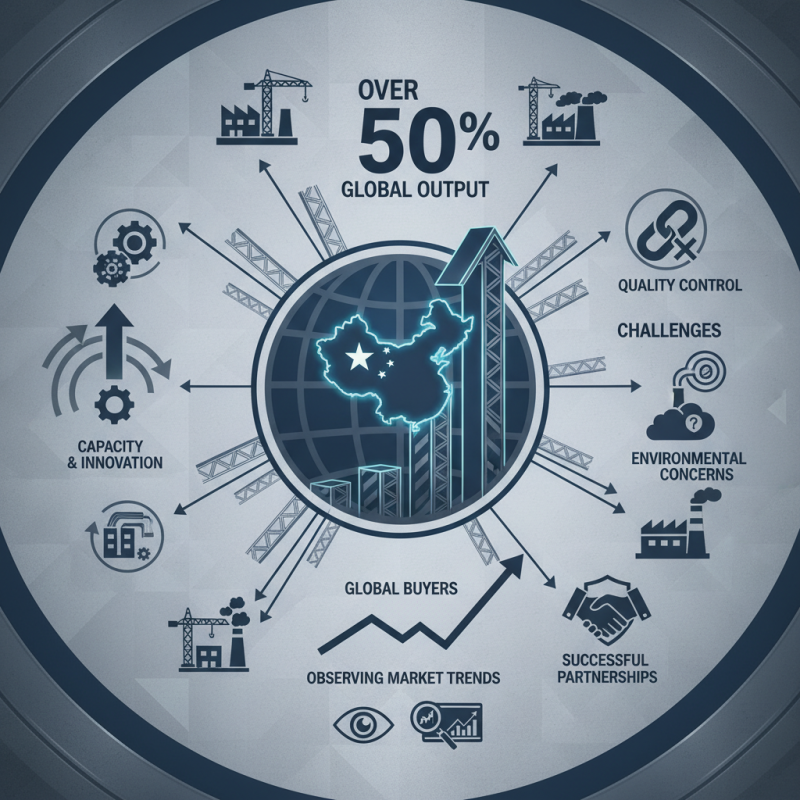
In recent years, China has established itself as a dominant player in the global steel material market. Reports from the World Steel Association indicate that China's steel production accounted for over 50% of the world's total output. This immense scale offers opportunities for international buyers seeking reliable supply sources.
Renowned industry expert Dr. Li Wei states, "China's steel material suppliers have the capacity and innovation to meet diverse global demands." This reflects the significant advancements in technology and production processes in the Chinese steel sector. However, challenges remain. Quality control and environmental concerns are ongoing issues that international buyers must navigate.
As global markets evolve, understanding the dynamics of China's steel material sector becomes crucial. The potential for growth is evident, yet the need for cautious engagement persists. Observing the market trends will be vital for forging successful partnerships in this evolving landscape.
China's steel industry stands as a dominant force in the global market. As of 2021, China accounted for over 56% of the world's crude steel production, according to the World Steel Association. This reflects not only the scale of production but also the country’s industrial capabilities. China's vast resource base supports this output. However, environmental concerns are growing. The steel sector is a significant contributor to carbon emissions.
The industry's global influence extends beyond mere production figures. China exports steel products worldwide. In 2020, its steel exports reached approximately 65 million tons, impacting pricing structures globally. Many nations depend on Chinese steel for infrastructure projects. Despite this reliance, challenges persist. Trade tensions and tariffs can disrupt supply chains. Additionally, fluctuating raw material prices pose risks.
The ongoing transition towards greener practices in China presents both opportunities and risks. The Chinese government aims to reduce steel emissions by utilizing cleaner technologies. This shift necessitates investment and innovation. As the market evolves, buyers worldwide must remain vigilant. They face the dual challenge of securing supply while navigating regulatory changes. The future remains uncertain, yet China’s role in the global steel arena continues to expand.
China has emerged as a leading hub for steel material suppliers. The country's vast production capabilities cater to a global market, attracting numerous buyers. Among these suppliers, several key players stand out due to their distinct strengths and resources. These companies typically prioritize quality control and innovation, which are crucial for maintaining competitive advantage in the industry.
The majority of top suppliers offer a range of products, including high-strength steel and specialty alloys. Their ability to tailor solutions to meet diverse client needs is noteworthy. However, challenges persist, such as fluctuating raw material costs and environmental regulations. Some suppliers struggle to balance production efficiency with sustainability practices. Enhanced transparency in operations could improve reliability and foster stronger partnerships with global buyers.
Sourcing from Chinese steel suppliers can yield significant advantages, including cost-effectiveness and variety. Yet, potential buyers must conduct thorough due diligence. A deep understanding of suppliers' capabilities is essential. Identifying the right partner requires evaluating production methods, certifications, and previous collaborations. Engaging with suppliers who demonstrate adaptability and responsiveness can lead to sustainable growth in any steel procurement strategy.
China has become a dominant player in the global steel market. The country accounts for over 50% of the world’s steel production. In 2022, China exported approximately 60 million metric tons of steel. This number reflects the growing demand for construction materials worldwide. Developing markets in Asia and Africa are key recipients of these exports.
The export trends show a shift in buyer preferences. Countries increasingly source steel from China due to competitive pricing and volume. Recent data from the World Steel Association indicates that China's export prices have remained stable. However, trade tensions and environmental regulations pose challenges. Buyers must navigate these complexities to maintain supply chains.
Domestic production remains vital. In 2022, China's steel consumption reached nearly 1 billion metric tons. The construction and manufacturing sectors drive this demand. Nonetheless, reliance on exports raises questions about sustainability. As environmental concerns grow, the industry must balance profit with responsibility. Will China adapt in time to meet both domestic needs and global expectations?
When considering Chinese steel suppliers, quality standards and certifications play a crucial role. Many companies in China adhere to international quality frameworks such as ISO 9001. This certification ensures that suppliers maintain effective quality management systems. Buyers should seek suppliers who not only hold these certifications but also regularly update their compliance.
Inspection is vital. Buyers must understand that not every supplier runs the same rigorous quality checks. Some may miss critical assessments. This inconsistency can affect the integrity of their products. To mitigate risks, buyers should request detailed inspection reports and quality assurance documents.
Tips: Always ask for sample products. Requesting samples helps evaluate the quality firsthand. In addition, consider visiting the supplier’s facilities. A physical inspection provides valuable insights into their manufacturing processes.
While China has a robust steel industry, challenges do exist. Some suppliers may lack the latest technologies or equipment. It's essential to question their capabilities and understand their production methods. Conducting thorough research can lead to better decisions. Aim for transparency and open communication with potential suppliers.
Sourcing steel from China offers both challenges and opportunities for international buyers. The vibrant market is fueled by a vast network of suppliers. However, competition is fierce. Many buyers struggle to identify reliable partners. Ensuring quality and compliance with international standards can be daunting. Language barriers and cultural differences often complicate negotiations.
Buyers must navigate various sourcing platforms and trade shows to find trustworthy suppliers. Due diligence is essential. Checking references and certifications can mitigate risks. Building relationships takes time but can lead to fruitful partnerships. Also, fluctuations in raw material prices can impact sourcing strategies. International buyers need to stay informed about market trends.
Immerging technologies, like blockchain and AI, are transforming the steel industry. Transparency and traceability are improving buyer confidence. However, challenges remain. Buyers must remain adaptable to changing regulations and market dynamics. A proactive approach is crucial for success. Understanding the local market deeply can unlock hidden opportunities.
| Supplier Type | Location | Product Specialization | Annual Export Volume (MT) | Challenges Faced | Opportunities |
|---|---|---|---|---|---|
| Integrated Steel Producers | Hebei Province | Hot-rolled Coils | 10,000,000 | Environmental Regulations | Increasing Automation |
| Specialty Steel Producers | Shandong Province | Alloy Steel | 5,500,000 | Quality Assurance Issues | High Demand in Machinery |
| Rebar Manufacturers | Anhui Province | Reinforcing Bars | 8,000,000 | Price Volatility | Infrastructure Development |
| Pipe and Tube Suppliers | Jiangsu Province | Welded Pipes | 3,900,000 | Tariffs and Trade Barriers | Export Growth to Emerging Markets |
| Cold Rolled Steel Suppliers | Tianjin City | Cold Rolled Sheets | 6,600,000 | Supply Chain Disruptions | Digital Trade Platforms |
: China accounts for over 56% of the world's crude steel production as of 2021.
In 2020, China's steel exports reached about 65 million tons.
The steel sector significantly contributes to carbon emissions, raising environmental concerns.
Buyers must conduct thorough due diligence on suppliers' capabilities and production methods.
Look for international certifications like ISO 9001 and request inspection reports.
Suppliers face fluctuating raw material costs and must balance production efficiency with sustainability.
Samples allow buyers to evaluate the quality of products firsthand before making decisions.
Open communication and enhanced transparency can foster stronger partnerships.
Inconsistent quality checks among suppliers can impact product integrity.
A physical inspection provides valuable insights into the supplier's manufacturing processes.
China's steel industry plays a pivotal role in the global market, characterized by its extensive production capabilities and influence on pricing dynamics. Major steel material suppliers in China have established themselves as key players, driven by strengths such as advanced manufacturing techniques and a robust supply chain. The export trends highlight how Chinese steel materials are increasingly reaching global markets, with significant volumes being shipped to various regions.
International buyers, however, face both challenges and opportunities when sourcing steel material from China. While the high quality and competitive pricing of Chinese steel are appealing, navigating quality standards and certifications is crucial to ensure reliable sourcing. Overall, understanding the landscape of China’s steel suppliers is essential for global buyers looking to capitalize on the opportunities presented by this dominant industry.
