
Create Material
In the dynamic world of global sourcing, finding reliable suppliers for Steel Pipe is essential. China stands out as a leading hub for these products, catering to various industries worldwide. The country’s vast manufacturing capabilities ensure that high-quality steel pipes are available in a range of specifications.
Despite the benefits, selecting the right supplier can be challenging. Not all manufacturers meet quality standards, and prices can vary significantly. It’s crucial to assess each company's track record and expertise before making commitments. Engaging with suppliers who possess industry certifications can enhance reliability.
Furthermore, communication can pose hurdles. Language barriers or differing business practices may lead to misunderstandings. Conducting thorough research and engaging with multiple suppliers will likely yield better results. Adopting a proactive approach ensures that sourcing decisions are well-informed and aligned with your needs in this competitive market.
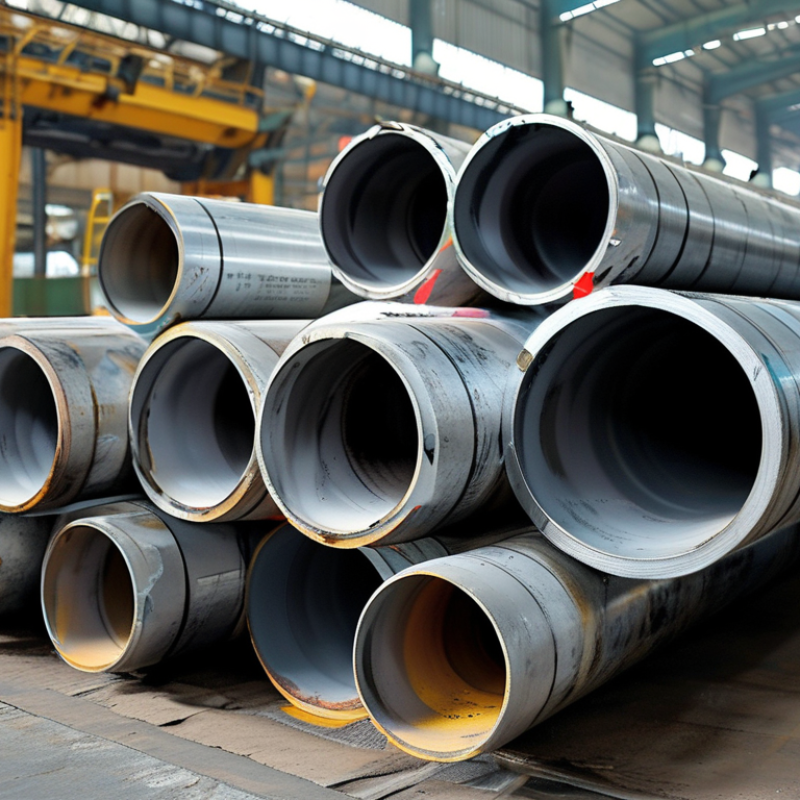
The steel pipe industry in China has undergone significant growth over the past few decades. With a robust manufacturing infrastructure, it produces a wide array of steel pipes. These products serve various sectors, including construction, oil and gas, and water supply. The high production capacity allows Chinese suppliers to meet global demands effectively.
Quality control remains a challenge for some manufacturers. Variability in production standards can lead to inconsistencies in pipe durability. However, many companies are now focused on enhancing quality assurance protocols. Collaborative efforts between suppliers and international buyers help to ensure product reliability. The industry is also adapting to sustainability concerns, but progress may be slow.
Trade regulations influence the global sourcing landscape. Tariffs and quotas can affect pricing and availability. Importers must navigate these complexities. Despite these challenges, China's steel pipe market remains a vital resource. The abundance of suppliers offers multiple options for buyers. Yet, sourcing decisions should consider both quality and compliance.
| Supplier Type | Annual Production Capacity (tons) | Export Volume (tons) | Main Products | Certifications |
|---|---|---|---|---|
| Seamless Steel Pipe | 500,000 | 350,000 | API, ASTM, JIS | ISO 9001, CE |
| Welded Steel Pipe | 700,000 | 450,000 | API 5L, ASTM A53 | ISO 14001, OHSAS 18001 |
| Spiral Steel Pipe | 300,000 | 200,000 | API 5L B, ASTM A252 | ISO 9001 |
| Rectangular/ Square Pipe | 400,000 | 180,000 | ASTM A500, JIS G3466 | CE, EN 10025 |
When sourcing steel pipes from China, understanding the characteristics of top suppliers is vital. Many Chinese manufacturers possess extensive expertise in producing diverse steel pipe products. They often offer a wide range of specifications, which caters to various industrial needs. Quality control is a significant focus for these suppliers. Most employ strict standards to ensure reliability and performance.
Additionally, effective communication is crucial. The best suppliers are responsive and provide transparent information throughout the sourcing process. They often have multilingual teams, making it easier for international clients to navigate the buying process. However, challenges can arise in understanding local regulations and standards. It’s important for buyers to do diligent research and possibly consult experts.
Another characteristic is competitive pricing. Chinese suppliers often have lower production costs, but this doesn't always equate to the best value. Quality can vary, which might lead to unforeseen issues later. Buyers should carefully evaluate product certifications and seek samples before committing. This approach can mitigate risks and ensure that the selected supplier aligns with project requirements. Purchasing steel pipes involves careful consideration and due diligence.
When selecting reliable steel pipe suppliers, buyers should emphasize several essential criteria. The first factor to consider is the supplier's experience in the industry. Companies with a long track record often understand market demands better. They can navigate challenges effectively, ensuring a smooth procurement process.
Another critical element is product quality. Reliable suppliers typically adhere to international standards. This commitment minimizes the risk of defects and ensures durability. Buyers should request certifications and previous client references. Assessing these documents helps gauge the supplier's credibility. Additionally, testing small orders before large purchases can reveal potential issues.
Communication and customer service are also vital. Suppliers should be responsive and open to queries. A good relationship can enhance collaboration. If a supplier is difficult to reach, that raises concerns. Finally, transparent pricing is essential. Hidden costs can lead to disputes later. Detailed quotes that outline all expenses build trust. Focusing on these areas will help you choose the right supplier for your needs.
China is a significant player in the global steel pipe industry. The country accounts for over 50% of the world's total steel production. In the past few years, Chinese manufacturers have increased their output capacity. Reports indicate that they produced approximately 800 million tons of steel in 2022 alone. This growth highlights China's vital role in meeting international demand.
Leading steel pipe manufacturers in China often invest in advanced technologies. They emphasize quality control and efficient production methods. Many factories now utilize automated processes to enhance precision. This shift has improved product reliability. However, there are challenges. Some manufacturers face criticism regarding environmental regulations. The need for sustainable practices is becoming more pressing.
Quality varies among suppliers. It's crucial for global buyers to evaluate potential partners. Industry experts suggest examining certifications and production capabilities. Market data shows that companies maintaining high standards tend to have better long-term relationships with clients. Engaging with top-tier suppliers ensures access to innovative products while reducing risks. Reliable sourcing remains a cornerstone of successful international trade.
The global steel pipe industry relies heavily on Chinese suppliers. Their presence shapes market dynamics, impacting pricing and availability. Many countries source steel pipes from China due to competitive pricing. Cost-effectiveness can lead to a higher dependency on these suppliers. While this relationship appears beneficial, it carries risks.
Reliability can vary among suppliers. Not every Chinese manufacturer meets international quality standards. This inconsistency can result in delays and fluctuating quality for purchase orders. Companies must conduct thorough research before sourcing. Building relationships with trusted suppliers can mitigate risks. However, establishing these connections takes time and effort.
Trade policies also influence sourcing decisions. Tariffs and trade restrictions can alter market competitiveness. Businesses should stay informed about geopolitical developments. Understanding these dynamics is crucial for effective inventory management. Ultimately, sourcing steel pipes from China can be advantageous, but it involves careful consideration and proactive management.
: China produces over 50% of the world's steel. This dominance meets global demand effectively.
Reports indicate China produced approximately 800 million tons of steel in 2022.
Many manufacturers use automated processes for efficiency and precision, enhancing product reliability.
Yes, some manufacturers face criticism for not adhering to environmental regulations. Sustainable practices are needed.
It's essential to check certifications and production capabilities of potential suppliers. This helps ensure quality.
Reliability varies among suppliers, leading to potential delays and quality issues. Research is crucial.
Tariffs and trade restrictions can impact market competitiveness and should be monitored closely.
Establishing trust with suppliers can reduce risks and improve sourcing outcomes. It requires time and effort.
Companies must evaluate supplier reliability, trade policies, and industry dynamics for effective sourcing.
While often cheaper, it comes with risks that need careful consideration and proactive management.
The article "China Top Steel Pipe Suppliers for Your Global Sourcing Needs" provides a comprehensive overview of the steel pipe industry in China, highlighting the key characteristics that define leading suppliers in this sector. It emphasizes the importance of selecting reliable steel pipe suppliers by outlining crucial criteria such as quality standards, production capacity, and customer service.
Additionally, the article profiles several top Chinese steel pipe manufacturers, offering insights into their capabilities and contributions to the global market. It concludes by discussing the significant impact these Chinese suppliers have on steel pipe sourcing worldwide, underscoring their role in shaping trends and meeting the demands of the international construction and manufacturing industries.
