 Create Material
Create Material
Create Material
When embarking on a project, selecting the right materials is crucial. Hr Steel Sheet is an excellent option known for its versatility and strength. These sheets are used in various applications, from construction to manufacturing. The choice of Hr Steel Sheet can significantly impact the success of your project.
One key aspect of Hr Steel Sheet is its durability. It can withstand heavy loads and harsh environments, making it ideal for demanding applications. Additionally, this type of steel sheet is easy to work with. It can be cut, welded, and formed into different shapes, which enhances its utility in diverse projects.
However, it’s essential to consider the drawbacks as well. For some projects, using Hr Steel Sheet might not be the most cost-effective choice. There are other materials available that may fit certain budgets better. Evaluating your specific needs will help you determine if Hr Steel Sheet is the right fit for your project.
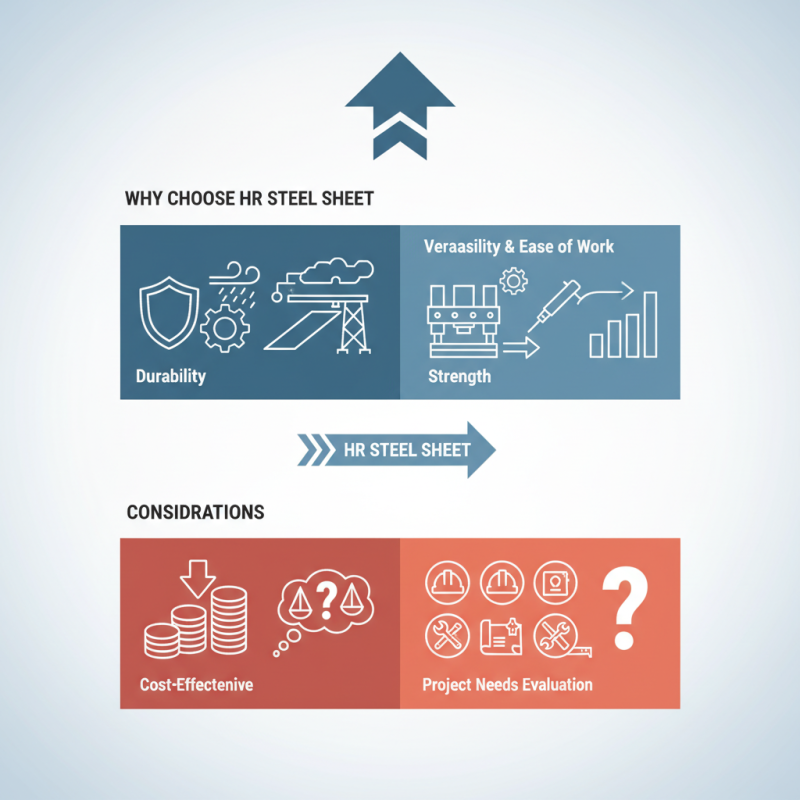
HR steel sheets are an excellent choice for construction projects for several reasons. They offer a remarkable balance between strength and flexibility. This balance allows for easy manipulation and installation in various building applications. When subjected to stress, HR steel sheets can withstand substantial loads without compromising structural integrity. This makes them a reliable option for architects and engineers.
Another important aspect is their cost-effectiveness. HR steel sheets are typically less expensive compared to other materials. Their strength-to-weight ratio reduces the overall material requirement, leading to cost savings. Additionally, these sheets are widely available, making procurement straightforward. However, one must be mindful that improper handling may lead to surface imperfections. Careful procedures during transportation and installation are critical.
The versatility of HR steel sheets extends beyond construction. They can be used in automotive applications and a range of machinery. This versatility may present challenges when deciding specific applications because of different requirements. Choosing the right thickness and finish is vital. Reflecting on these aspects ensures a well-informed decision, ultimately improving project outcomes.
| Benefits | Description |
|---|---|
| Cost-Effective | HR steel sheets offer competitive pricing compared to other materials, making them a budget-friendly option for construction projects. |
| Versatility | They can be used in a wide range of applications from structural beams to architectural components. |
| Strength | HR steel sheets provide excellent strength-to-weight ratios, ensuring structural integrity while keeping materials light. |
| Durability | These sheets are resistant to wear and tear, ensuring longevity in construction projects even in harsh environments. |
| Ease of Fabrication | HR steel sheets can be easily cut, shaped, and welded, allowing for versatile design options. |
| Sustainability | Made from recyclable materials, HR steel sheets contribute to environmental sustainability efforts in construction. |
: HR steel sheets are used in construction, automotive, and manufacturing industries. Their versatility is a key benefit.
They are generally less expensive than other materials. Their strength-to-weight ratio reduces total material needs.
They can withstand substantial loads without losing structural integrity, making them reliable in load-bearing applications.
HR steel sheets can range from 3mm to over 100mm. This allows for project-specific customization in construction.
Improper handling can lead to surface imperfections. Variability in appearance may require careful inspection.
They help reduce vehicle weight in the automotive industry, improving fuel efficiency and supporting sustainability efforts.
Monitoring heat input is crucial. Excessive heat can alter properties and risk the integrity of the structure.
Their rough surface finish aids in adhesion for welding and painting but can lead to visual inconsistencies.
Surface imperfections can affect both aesthetics and performance, making careful handling and quality checks essential.
Choosing the right thickness and finish improves project outcomes and ensures safety, reflecting thoughtful decision-making.
HR Steel Sheet is an increasingly popular choice for construction projects due to its numerous benefits. These sheets offer exceptional structural integrity, ensuring that buildings and other structures can withstand various stresses and loads. Their key properties, such as high strength and flexibility, make HR Steel Sheets ideal for various applications across multiple industries, including construction, automotive, and manufacturing.
Moreover, when considering cost-effectiveness, HR Steel Sheets provide an affordable alternative compared to other materials, making them a practical choice for budget-conscious projects. Additionally, they boast sustainability and recyclability, aligning with modern building practices that prioritize environmental responsibility. By choosing HR Steel Sheets, project managers can ensure they meet both structural requirements and sustainability goals, making it a smart investment for the future.
