
Create Material
In the competitive realm of manufacturing, choosing the right materials is crucial. Steel Wire Rod has emerged as a favored option due to its versatility and strength. John Smith, a renowned expert in metallurgy, once said, "Steel Wire Rod stands as a benchmark for quality and performance in manufacturing." This speaks volumes about its importance in the industry.
Manufacturers face numerous challenges today, such as ensuring strength, durability, and cost-effectiveness. Steel Wire Rod meets these demands effectively. Its ability to be molded into various shapes allows manufacturers to create a wide range of products. From automotive parts to construction materials, its applications are vast and vital.
However, not all Steel Wire Rod is created equal. Variations in quality can impact the final product. Decision-makers must therefore evaluate suppliers rigorously. In this landscape, understanding the properties of Steel Wire Rod is essential. After all, the right choice can lead to cost savings and increased efficiency in production processes.
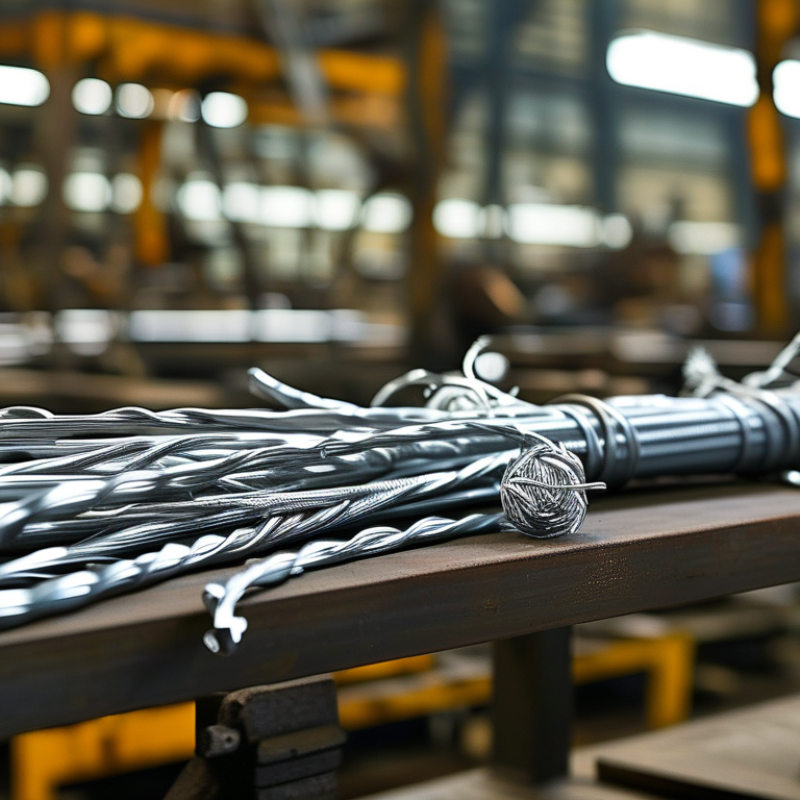
Steel wire rod is an essential material in various manufacturing processes. Its versatility makes it ideal for producing a range of products. From construction to automotive components, the utility of steel wire rod is unmatched. Manufacturers appreciate its ability to be drawn into thinner wires. This characteristic makes it suitable for intricate applications, requiring high precision.
The strength of steel wire rod is another significant benefit. It provides excellent tensile strength, allowing for durable constructions. Products made from steel wire rod often exhibit resilience against wear and tear. This durability often reduces the need for frequent replacements. However, the cost of steel can fluctuate. Manufacturers must weigh the benefits against market conditions.
Moreover, sustainability concerns are surfacing in manufacturing. Steel wire rod can be recycled, reducing environmental impact. Using recycled materials appeals to eco-conscious companies. However, sourcing high-quality, recycled steel may present challenges. Ensuring consistency in material performance can be tricky. Manufacturers should remain vigilant in assessing their supply chains to achieve the best results.
Steel wire rod is essential in various industrial applications. Its high tensile strength is a key characteristic. The World Steel Association indicates that high-strength wire rods can withstand significant stress while maintaining structural integrity. This makes them ideal for products like cables and springs.
Flexibility is another crucial trait. Steel wire rod can be easily shaped and formed without losing its strength. According to a recent industry report, about 20% of manufacturers prefer steel wire rods for this reason. They provide versatility across applications, from automotive components to construction materials.
However, sourcing quality steel wire rod can present challenges. Not all suppliers maintain the same standards. Potential variations in composition can impact performance. Robust testing and quality assurance measures are essential for manufacturers to ensure reliability. It's important to perform due diligence and consult with experts when selecting materials.
Steel wire rod stands out in manufacturing for its durability and versatility. Unlike alternatives like aluminum or plastic, steel wire rod provides unmatched strength. It is resistant to deformation under heavy loads, making it ideal for numerous applications, including construction and automotive parts.
When compared to aluminum, steel wire rod offers superior tensile strength. Aluminum can bend or warp under pressure. In contrast, steel maintains its structural integrity. This advantage is crucial in industries requiring robust and reliable materials. On the other hand, plastic may be lighter, but it lacks the same longevity and resistance to wear and tear.
There's a hidden downside to using steel wire rod. It can be more prone to corrosion without proper treatment. This requires manufacturers to invest in protective coatings. While the initial cost may be higher, the long-term benefits often outweigh these drawbacks. Ultimately, the choice of material should align with specific project requirements and performance expectations.
This chart compares the cost per metric ton of various materials used in manufacturing, emphasizing the affordability of Steel Wire Rod compared to alternatives like Aluminum Wire, Copper Wire, and Plastic Composite. Understanding these cost factors can help manufacturers make informed material choices.
Steel wire rod plays a crucial role in numerous industries. Its versatility makes it valuable across various applications. In the construction sector, steel wire rod is a key material in reinforcing concrete. It provides the strength needed to support heavy structures. This application ensures safety and stability in buildings, bridges, and highways.
In the automotive industry, steel wire rod is essential for manufacturing various components. Springs, wires, and cables used in vehicles often stem from this material. It offers resilience and durability, essential for automotive performance. However, manufacturers sometimes face challenges in achieving the desired tensile strength. Adjusting the production process can lead to improvements, but it requires expertise.
The agricultural industry also benefits from steel wire rod. It finds use in fences, gates, and tools. These applications are crucial for livestock management and crop protection. Using high-quality wire rod ensures longevity. Yet, some users may overlook the importance of proper maintenance. Regular checks can prevent premature wear and tear, enhancing overall efficiency.
When selecting steel wire rod for manufacturing, various factors must be taken into account. Consider the diameter and tensile strength that suit your specific application. Different projects may require different specifications. A thorough understanding of your production needs is essential. The choice of wire rod can influence not only performance but overall quality, too.
Another critical aspect is the source of the steel wire rod. Material quality varies significantly between suppliers. Conducting due diligence is crucial. Check certifications and take a close look at compliance with industry standards. Sometimes, the cheapest option is not the best choice. Weighing cost against quality can lead to difficult decisions.
Additionally, pay attention to the manufacturing process you intend to use. Some processes require specific properties from the wire rod. Not all steel is created equal; some may not perform well under certain conditions. If there are gaps in your knowledge, seek expert opinions. Engaging with professionals who understand the nuances of steel wire can provide valuable insights to refine your choices.
| Factors | Considerations | Impact on Production |
|---|---|---|
| Material Grade | Choose the appropriate steel grade based on strength and ductility. | Influences durability and performance of the final product. |
| Diameter | Select diameter according to end-use application requirements. | Affects tensile strength and processability in manufacturing. |
| Mechanical Properties | Ensure the material meets standards for yield and tensile strength. | Essential for ensuring safety and reliability of products. |
| Surface Quality | Inspect for surface defects and finishes based on needs. | Affects adhesion, bonding, and mechanical properties. |
| Coating Options | Consider protective coatings for corrosion resistance. | Impacts longevity and maintenance frequency of products. |
| Cost Efficiency | Evaluate price against quality and performance trade-offs. | Directly affects overall production budgeting and profitability. |
: Steel wire rod reinforces concrete, providing strength for buildings, bridges, and highways. It ensures safety and stability.
It is used to manufacture springs, wires, and cables. This enhances the durability and resilience of automotive components.
Achieving the right tensile strength can be challenging. Adjustments in production require expertise and careful monitoring.
It is used in fences, gates, and tools for livestock management and crop protection. Quality rod ensures longevity.
Proper maintenance prevents wear and tear. Regular checks can enhance efficiency and extend the life of agricultural tools.
Consider diameter, tensile strength, and specific application needs. Different projects require different specifications for optimal performance.
Material quality varies by supplier. Checking certifications and compliance with standards is crucial for ensuring quality.
Lower cost often means lower quality. It’s essential to weigh cost against performance and durability carefully.
Some processes need specific properties from the wire. Understanding these nuances is important to avoid subpar performance.
Experts provide insights into material properties. Their knowledge can refine choices and improve production outcomes.
Steel Wire Rod is an essential material in various manufacturing processes due to its numerous benefits. It is known for its strength, durability, and versatility, making it suitable for a wide range of industrial applications. Key characteristics such as high tensile strength, flexibility, and excellent surface quality contribute to its effectiveness in production. In a comparative analysis with alternative materials, Steel Wire Rod often outperforms in terms of performance and cost-efficiency.
Common applications of Steel Wire Rod span across different industries, including automotive, construction, and electronics. When selecting Steel Wire Rod for production, manufacturers should consider factors like diameter, tensile strength, and the specific requirements of their projects. Overall, the advantages of Steel Wire Rod make it a preferred choice for businesses aiming to enhance their manufacturing processes and deliver high-quality products.
