
Create Material
In today's construction and manufacturing sectors, the choice of materials is crucial. Erw Steel Pipe stands out as a preferred option due to its strength and adaptability. Research from the Global Steel Pipe Industry Report indicates that the Erw steel pipe market is projected to grow by 5.2% annually until 2027. This growth reflects its increasing demand in various applications including pipelines and structural projects.
Industry expert Dr. William Li emphasizes the importance of selecting quality materials, stating, "Investing in Erw Steel Pipe not only ensures durability but also enhances project reliability." This sentiment echoes the growing recognition that choosing the right piping solutions significantly impacts project outcomes.
However, it's essential to reflect on some challenges when using Erw Steel Pipe. Quality variations can occur due to manufacturing processes. Buyers must ensure they're sourcing from reputable suppliers. Despite these hurdles, the numerous benefits of Erw Steel Pipe make it a worthy consideration for any project.
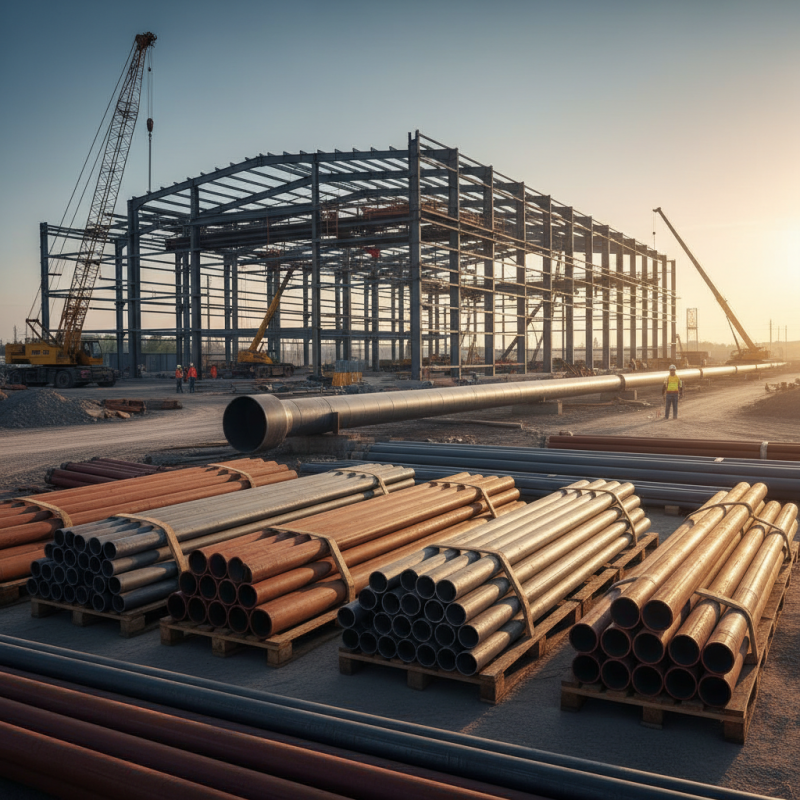
ERW (Electric Resistance Welded) steel pipes are gaining popularity in construction projects. They offer several key benefits that make them a reliable choice for various applications. One major advantage is their strength. These pipes are created using a high-frequency welding process that provides consistent quality and durability. This makes them suitable for carrying liquids and gases under pressure.
Another significant benefit of using ERW steel pipes is cost-effectiveness. They are less expensive to produce compared to seamless pipes. This cost efficiency can lead to lower overall project costs. Furthermore, these pipes can be manufactured in various sizes and lengths, allowing for greater flexibility in design. Their lightweight nature also facilitates easier installation, which can be a critical factor in project timelines.
However, some engineers express concerns about their resistance to corrosion. Proper coating and maintenance are essential to mitigate this issue. Additionally, the availability of different grades poses a challenge. Understanding the specific application requirements is crucial in selecting the appropriate ERW pipe. A thoughtful approach can help ensure that these pipes contribute effectively to the project's success.
When it comes to construction and industrial projects, choosing the right materials is crucial. Erw steel pipes stand out due to their unique features. Their durability ensures they can withstand harsh environments, making them a top choice for many applications. These pipes are manufactured through a process of electric resistance welding, which enhances their structural integrity.
Strength is another key factor. Erw steel pipes exhibit high tensile strength, making them resistant to deformation under stress. They are suitable for transporting liquids and gases in various sectors, including oil and gas and water supply. However, it’s essential to recognize that not all erw steel pipes are created equal. Variations in quality can lead to unexpected issues during usage.
Moreover, the cost-effectiveness of erw steel pipes should be weighed against their long-term reliability. While they may seem budget-friendly initially, poor quality can lead to maintenance costs. Choosing a reputable supplier with experience in manufacturing can make a significant difference. After all, a small oversight in material selection can affect project success.
ERW steel pipe is gaining attention for its cost-effectiveness in various projects. Compared to alternatives, its price point is often more favorable. For many applications, including construction and plumbing, this makes ERW a trusted choice. The manufacturing process of ERW pipes reduces costs compared to seamless pipes. This can translate to significant savings on larger projects.
Using ERW steel pipes can also enhance project efficiency. They are lightweight and easier to handle, which can save on labor costs. However, it is essential to consider quality. While cost is crucial, the durability of the material should not be overlooked. Sometimes, cheaper options may not provide the long-term reliability needed. Evaluating project requirements aligns expectations with the right material choice.
Additionally, ERW pipes can be customized for specific needs, which improves their versatility. This flexibility allows for better integration into various systems. But, contractors must ensure they select the right specifications. Misjudgments can lead to delays and unexpected expenses. Balancing budget and quality is vital in achieving project goals.
ERW steel pipes are versatile and widely used in numerous industries. In construction, they provide a strong framework for structural integrity. These pipes are lightweight and easy to handle, making installation more efficient in building projects. Their adaptability means they can be used in various applications, such as water supply and scaffolding.
In the automotive industry, ERW pipes play a crucial role. They are often used in exhaust systems and chassis components. The ability to withstand high pressure while maintaining a lightweight structure makes them ideal for this sector. However, manufacturing quality can vary significantly. It's essential to source pipes from reliable suppliers to ensure safety and performance.
In the oil and gas sector, ERW pipes are critical for transporting fluids. They're flexible enough for both onshore and offshore applications. However, the risk of corrosion remains a challenge. Regular maintenance and inspections are necessary. Using ERW pipes effectively requires a precise understanding of the specific application demands. This knowledge is vital to making informed decisions about materials and standards.
ERW (Electric Resistance Welded) steel pipes are essential in various industries due to their durability and efficiency. Understanding their industry standards and certifications is crucial for any project. The American Society for Testing and Materials (ASTM) sets standards ensuring these pipes meet specific requirements. These standards focus on mechanical properties, corrosion resistance, and dimensional accuracy, which are critical for integrity and performance.
In recent industry reports, data shows that ERW pipes can achieve yield strengths upwards of 50,000 psi. This strength, coupled with a wall thickness that meets ASTM A53 specifications, demonstrates their reliability under high-pressure conditions. Furthermore, certifications like ISO 9001 indicate a commitment to quality management, ensuring that the manufacturing process aligns with international standards.
While ERW steel pipes generally perform well, there are instances of quality fluctuations within the manufacturing processes. Not all manufacturers adhere to the same level of precision, leading to variations in product quality. Buyers should conduct thorough assessments when selecting suppliers. Certifying bodies play a vital role in maintaining industry standards, yet not all companies may pursue these certifications diligently. This creates a need for vigilance in verifying the credibility of certifications presented by suppliers before making procurement decisions.
This chart compares the tensile strength of ERW steel pipe to other common pipe types. ERW steel pipes provide superior durability, making them a popular choice for various applications.
: ERW steel pipes are strong, durable, and cost-effective. They are ideal for carrying liquids and gases under pressure.
They are created using a high-frequency welding process. This ensures consistent quality and durability throughout the product.
They are cheaper to produce compared to seamless pipes. This can help reduce the overall costs of construction projects.
Yes, they can be manufactured in various sizes and lengths. This allows for greater flexibility in design options.
Proper coating and regular maintenance are essential to prevent corrosion. This is a critical factor for their longevity.
Conduct thorough assessments of suppliers. Not all manufacturers maintain the same quality standards or certifications.
Standards set by the American Society for Testing and Materials (ASTM) ensure mechanical properties, dimensional accuracy, and corrosion resistance.
Certifications like ISO 9001 indicate a commitment to quality. It's important to verify the credibility of these certifications before purchasing.
Quality fluctuations can occur in manufacturing. Different grades may also complicate the selection process for specific applications.
ERW pipes can achieve yield strengths over 50,000 psi. This ensures their reliability in high-pressure conditions, which is crucial for safety.
Erw Steel Pipe is increasingly favored in construction projects due to its numerous advantages. The primary benefits include its exceptional durability and strength, making it ideal for structural applications. Its cost-effectiveness compared to other materials further enhances its appeal, allowing projects to stay within budget while maintaining high-quality standards.
Additionally, Erw Steel Pipe is versatile and widely used across various industries, including manufacturing, construction, and infrastructure. It is manufactured to meet stringent industry standards and certifications, ensuring reliability and safety in its applications. As a result, Erw Steel Pipe represents a smart choice for any construction endeavor, combining performance with economy.
