
Create Material
Choosing the right roofing sheet is critical for any construction project. The roofing material significantly impacts durability and energy efficiency. According to a report by the National Roofing Contractors Association, nearly 50% of all roofing failures relate to improper material choice. This statistic underscores the importance of understanding various roofing sheet options.
Roofing sheets come in multiple materials, including metal, asphalt, and fiberglass. Each material has distinct advantages and drawbacks. For example, metal sheets offer longevity and resistance to extreme weather. However, they can be noisy during heavy rain. Alternatively, asphalt sheets are cost-effective but may require more frequent replacement. Such decisions should be influenced by climate conditions and project requirements.
It’s essential to consider both aesthetics and functionality when selecting roofing sheets. Many homeowners overlook the impact of color and texture on energy efficiency. Light-colored sheets can reflect sunlight, potentially reducing cooling costs. As you navigate your options, reflect on your specific needs. Don’t rush this choice; it shapes your building's future.
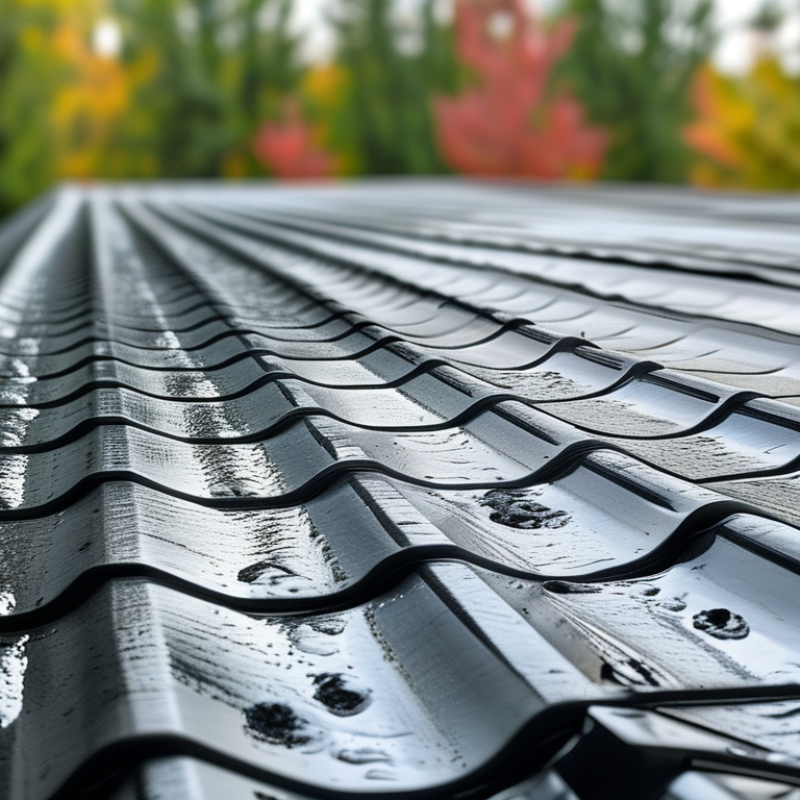
Choosing the right roofing sheet is crucial for your building project. Various types of roofing sheets are available, each with unique features and benefits. Metal sheets, for instance, are durable and weather-resistant. They can last decades, making them a popular choice. However, they can be prone to rust if not properly treated.
Asphalt shingles are another option. They are cost-effective and easy to install, making them accessible for many homeowners. Their color variety allows flexibility in design. While they offer decent durability, they might require regular maintenance, especially in harsh weather conditions. This can be a downside for busy homeowners.
Finally, consider polycarbonate sheets. They are lightweight and allow natural light to filter through. However, they may not be as strong as metal or asphalt options. This can be a concern in regions with severe weather. An informed choice will depend on your specific needs, aesthetic preferences, and budget constraints.
Choosing the right roofing sheet involves understanding material durability and lifespan. Different materials offer varying levels of strength and longevity. Metal, for instance, is often durable but can be prone to corrosion. Meanwhile, asphalt shingles may be cost-effective but typically last only a couple of decades. Consider how weather impacts your choice.
When evaluating durability, think about your climate. Areas with heavy rainfall may require more resilient options. Some materials can withstand extreme temperatures or UV exposure better than others. However, it is vital to acknowledge that even the best materials can have weaknesses. Regular maintenance plays a significant role in extending their lifespan.
Look for roofing sheets with warranties, as they often indicate manufacturer's confidence. Even so, not all warranties are equal. Some may cover only specific types of damage. Researching local conditions can highlight which materials are truly reliable for your project. Always think critically about your choices.
When selecting roofing sheets, assessing their weather resistance is crucial. Different materials offer varying levels of protection against elements like rain, snow, and UV radiation. For instance, metal sheets can resist harsh winds, while shingles may struggle in severe conditions. Understanding these limitations helps prevent costly repairs in the future.
Performance is equally important. Durability, ease of maintenance, and thermal efficiency are key factors. Some roofing materials may require frequent upkeep, which can add to long-term costs. Meanwhile, insulation properties can significantly affect energy use in buildings. However, many people overlook these aspects, often focusing only on aesthetics or upfront costs.
Additionally, consider the climate where the roofing will be installed. In humid regions, materials resistant to mold and algae growth are essential. Conversely, areas with high sunlight exposure need options that reflect heat effectively. It’s a common oversight to ignore local weather conditions, leading to premature material failure. Each choice should be a balance of performance versus cost, tailored to specific environmental challenges.
| Material Type | Weather Resistance | Durability (Years) | Cost per Square Meter ($) | Weight (kg/m²) |
|---|---|---|---|---|
| Metal (Steel) | Excellent | 50 | 20 | 7.5 |
| Clay Tiles | Good | 100 | 30 | 4.5 |
| Asphalt Shingles | Fair | 30 | 15 | 5.0 |
| Fiberglass | Good | 25 | 12 | 2.5 |
| Concrete Tiles | Excellent | 50 | 25 | 5.8 |
When selecting roofing sheets, aesthetic appeal and energy efficiency are crucial. Aesthetics influence the overall visual charm of a structure. Opt for colors and styles that complement your home’s architecture. A striking design can enhance curb appeal and value. For example, traditional homes may benefit from classic shingles, while modern buildings might suit sleek metal sheets.
Energy efficiency is equally important. Some roofing materials reflect sunlight, which keeps homes cooler. Reflective roofs can significantly reduce energy costs. Consider options that provide insulation, too. Insulated materials maintain warmth during winter. However, achieving a balance between beauty and efficiency can be challenging. Sometimes, aesthetically pleasing options may not offer the best energy performance.
It's essential to research various materials thoroughly. Reading reviews can provide insights from other homeowners. Not every choice suits every need. Take your time to weigh the pros and cons. Sometimes, what looks good might lead to higher energy bills. Ensure your choice is sustainable over time, both visually and functionally. The goal is to find roofing that fulfills your design vision while promoting energy savings.
When embarking on a roofing project, budgeting plays a crucial role. It’s essential to balance cost and quality. A 2021 report by the Roofing Contractors Association found that choosing lower-quality materials can lead to long-term expenses. While premium roofing sheets might have a higher upfront cost, they often come with extended warranties and increased durability.
Research indicates that high-quality roofing can save homeowners up to 30% on maintenance costs over time. Materials such as metal and slate may be pricier initially, yet they outperform cheaper options like asphalt in lifespan and resistance to weather. Understanding the lifecycle cost can shift perspectives on budgeting.
Many homeowners underestimate these factors. A lower upfront price might attract, but hidden costs arise later. A 2019 survey revealed that 47% of homeowners faced unexpected repair bills due to poor material choices. Selecting roofing sheets isn’t just about today’s budget; it’s about future-proofing your investment.
: Consider both aesthetic appeal and energy efficiency. Look for colors and styles that match your home.
Some materials reflect sunlight, keeping homes cooler and reducing energy costs significantly.
Yes, insulated materials help maintain warmth during winter, adding to energy efficiency.
Yes, thorough research provides insights from homeowners and helps avoid unsuitable choices.
Yes, selecting lower-quality materials may lead to unexpected repair bills later on.
Higher-quality materials often come with warranties and save on long-term maintenance costs.
Sometimes, attractive options may not perform well in energy efficiency, so be cautious.
Understanding lifecycle costs can help evaluate potential future expenses versus upfront costs.
Poor material choices may lead to unanticipated repair bills, affecting your overall budget.
Choose materials that suggest durability, appealing design, and energy savings for long-term investment.
Choosing the best roofing sheet for your project involves understanding the various types available and how they meet your specific needs. Different materials, including metal, asphalt, and synthetic options, offer unique durability and lifespans, making it crucial to evaluate these factors in relation to your long-term goals.
In addition to durability, assessing weather resistance and performance is essential to ensure that your roofing sheet can withstand local climate conditions. Aesthetic appeal and energy efficiency also play pivotal roles in selection, as they can impact both the appearance of your property and its energy consumption. Lastly, budgeting for your roofing project requires a careful balance between cost and quality, ensuring you make a wise investment that meets both your financial constraints and performance expectations.
