Selecting the right galvanized tube is crucial for the success of construction projects. According to a report by the American Iron and Steel Institute, the galvanized steel market is anticipated to reach $100 billion by 2025, indicating a significant demand for quality materials. Galvanized tubes are known for their corrosion resistance, making them ideal for various applications. However, not all galvanized tubes are created equal.
Understanding the specifications is essential. A study published in the Journal of Structural Engineering highlights that the right diameter and wall thickness can enhance overall durability. For instance, thinner walls may save costs but could compromise strength. Consider the environment where the tube will be used. Excessive moisture or chemicals may require coatings beyond standard galvanization.
Despite the many options, making an informed choice can be challenging. The inconsistency in manufacturing processes sometimes leads to variations in quality. Thus, researching suppliers and reviewing their standards can prevent costly mistakes. Seeking expert advice might also illuminate overlooked details. Investing time in selection ultimately pays off by ensuring project longevity and reliability.
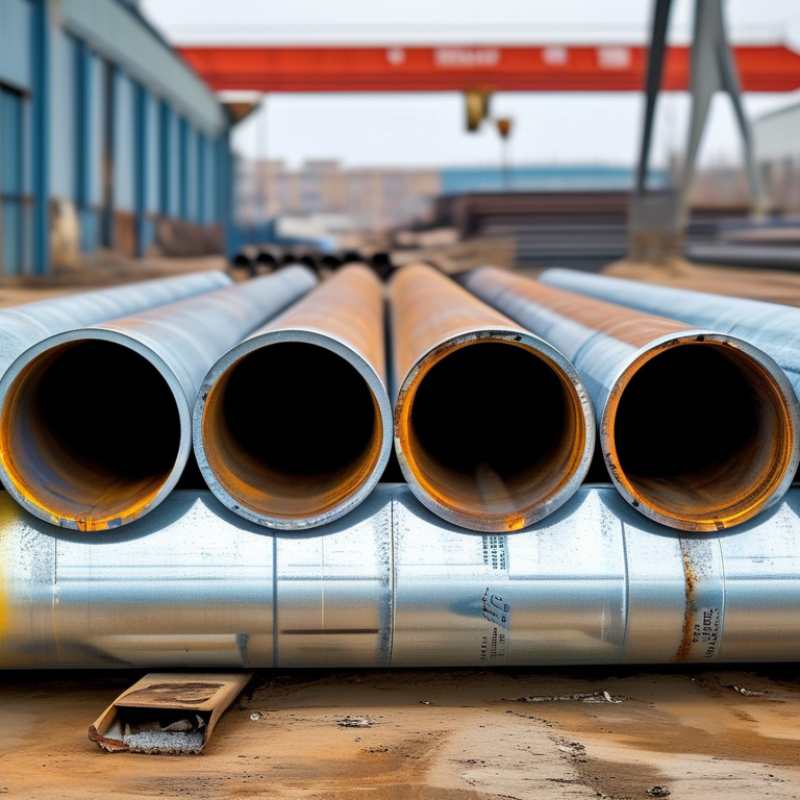
Understanding the Basics of Galvanized Tubes and Their Applications
Galvanized tubes are essential in various construction and manufacturing applications. They have a protective zinc coating that prevents corrosion. This coating enhances the tube's lifespan, making it durable for outdoor use. In fact, studies indicate that galvanized steel can resist rust up to 60 years under optimal conditions. This quality makes it a preferred option for framework, fences, and scaffolding.
Understanding the right tube type is crucial. Galvanized tubes come in different grades and thicknesses. For instance, a schedule 40 tube offers a good balance of strength and weight. It is often favored in plumbing and structural projects. However, lighter tubes may be sufficient for non-load bearing applications. Evaluating project requirements carefully can prevent overspending.
It's also vital to consider the tube's diameter and wall thickness. A mismatched size can lead to structural weaknesses. Additionally, the application environment plays a significant role. Exposure to certain chemicals might compromise the zinc layer. As reported by industry experts, regular inspections and maintenance can extend the life of galvanized products significantly. These aspects highlight the importance of informed decision-making in selecting the right galvanized tube.
Identifying Key Factors to Consider When Selecting Galvanized Tubes
Choosing the right galvanized tube requires careful consideration of several key factors. One important aspect is the tube's size. Ensure it fits your project requirements. Measure the diameter and length accurately. Improper sizing can lead to structural issues later. Review project designs to select appropriate dimensions.
The thickness of the tube also matters. Thicker tubes provide greater strength and durability. However, they can also be heavier and more expensive. Balancing cost and quality is essential. Think about the load requirements of your project. Don't overlook the environment where the tube will be installed. Exposure to moisture or chemicals can affect longevity.
Tips for selecting galvanized tubes:
- Always check for reputable suppliers. Gain insights from reviews or testimonials.
- Look for tubes with proper certification to ensure quality.
- Consider the specific application. Some tasks may require specialized coatings or treatments.
Finding the right balance between cost and performance is crucial. Too often, projects face setbacks from poor material choices. Reflect on past experiences to guide your decision.
Evaluating the Different Types of Galvanized Tubes Available
When selecting the right galvanized tube for your project, it’s important to evaluate the different types available. Galvanized tubes can vary in size, thickness, and coating quality. For instance, hot-dipped galvanized tubes offer superior rust resistance compared to electro-galvanized tubes. They are perfect for outdoor use and harsh environments. In contrast, electro-galvanized tubes might suffice in less demanding situations.
The finish on the galvanized tube can greatly affect its performance. A thicker coating typically provides better protection against corrosion. However, it may also increase the cost. You may need to balance protection and budget. Test the tube’s weight too; a heavy tube usually indicates a thicker wall and greater durability.
Consider your project’s specific requirements. Will the tube be exposed to moisture or harsh chemicals? Assessing these factors will guide you to the most suitable option. Sometimes, people overlook small details like the type of attachment or the fitting compatibility. Each project is unique. Reflection on these aspects can help avoid future issues.
Galvanized Tube Types Comparison
Comparing Sizes, Thicknesses, and Standards of Galvanized Tubes
When selecting a galvanized tube, it's crucial to consider size and thickness. The diameter affects strength and weight. Standard sizes, such as 1 inch or 2 inches, are common, but custom options exist. The choice depends on your project's specific needs. A larger diameter can provide better support for structures, while a smaller one is great for lightweight applications.
Thickness, measured in gauge, also plays a key role. Thicker tubes offer more durability and rust resistance. However, they may be heavier and more expensive. It's vital to balance strength and cost based on usage. For example, a fence may require different specifications than a load-bearing frame.
Industry standards often dictate acceptable measurements and quality. Compliance ensures longevity and safety. Yet, there can be discrepancies in thickness, which might affect your project's integrity. Always verify specifications before purchase. A little extra research can save you from future complications.
Assessing Cost Effectiveness and Supplier Reliability for Your Project
When selecting a galvanized tube for your project, supplier reliability is crucial. A reliable supplier ensures that you receive high-quality materials that meet industry standards. It’s important to research potential suppliers. Read reviews and ask for references. A proven track record often signals dependability.
Cost-effectiveness also plays a vital role. Compare prices between different suppliers. However, the lowest price may not always indicate the best value. Consider the quality of the material and warranty options. Sometimes, investing more upfront saves costs in the long run.
Tips: Always check for certifications. They verify that a supplier adheres to quality standards. Don't hesitate to inquire about the origin of the materials. Understanding where your galvanized tubes come from can reveal much about their quality. Evaluate the supplier’s customer service as well. Reliable support can be invaluable if issues arise during your project.
How to Choose the Right Galvanized Tube for Your Project?
| Dimension |
Weight per Meter (kg) |
Price per Meter (USD) |
Supplier Reliability (1-5) |
Lead Time (Days) |
| 25mm x 1.5mm |
0.85 |
1.20 |
4 |
10 |
| 32mm x 2.0mm |
1.25 |
1.70 |
5 |
15 |
| 40mm x 2.5mm |
1.80 |
2.20 |
3 |
12 |
| 50mm x 3.0mm |
2.30 |
3.00 |
5 |
20 |
FAQS
: Galvanized tubes are metal tubes coated with zinc to prevent corrosion. They are durable for outdoor use.
Under optimal conditions, galvanized steel can resist rust for up to 60 years.
Correct tube size is crucial. Improper dimensions can lead to structural weaknesses in projects.
Consider size, thickness, application environment, and the load requirements when selecting galvanized tubes.
Research suppliers by reading reviews and asking for references. A proven track record indicates dependability.
The lowest price may not guarantee the best value. Weigh material quality against cost for informed choices.
Exposure to moisture or chemicals can damage the zinc layer, compromising the tube's longevity.
Reflect on past experiences. Learning from mistakes can guide better decisions in future projects.
Yes, certifications confirm that suppliers adhere to quality standards, ensuring the materials meet expectations.
Reliable customer service is critical. It can help resolve issues quickly during your project.
Conclusion
When selecting the right galvanized tube for your project, it is essential to understand the fundamentals of these tubes and their various applications. Galvanized tubes are widely used due to their durability and resistance to corrosion, making them suitable for both residential and industrial uses. Key factors to consider include the specific requirements of your project, the environment in which the tube will be used, and the types available on the market.
Additionally, evaluating the sizes, thicknesses, and industry standards of galvanized tubes is crucial to ensure they meet your project's demands. Cost-effectiveness is another vital aspect; comparing prices from different suppliers can help you find reliable options without compromising on quality. By addressing these factors, you can confidently select the appropriate galvanized tube that aligns with your project needs.
 Create Material
