Create Material Create Material

How to Choose the Right Gi Corrugated Steel Sheet for Your Project?

Time:2026-06-27 Author:Ethan
0%

Choosing the right Gi Corrugated Steel Sheet for your project can be daunting. Understanding key factors is essential for making an informed decision. Gi Corrugated Steel Sheet offers durability and versatility in various applications. However, not all sheets are created equal.

Consider the specific needs of your project. The thickness, coating, and profile of the sheet significantly impact its performance and longevity. For instance, a thicker sheet may provide better resistance to weather extremes. Additionally, the choice of a suitable coating can enhance corrosion resistance.

It's important to acknowledge that selecting the wrong Gi Corrugated Steel Sheet can lead to issues down the line. Mistakes often stem from inadequate research or misjudging the project's requirements. Taking the time to reflect on the options will prove beneficial. Remember, a well-informed choice today can save you from costly repairs in the future.
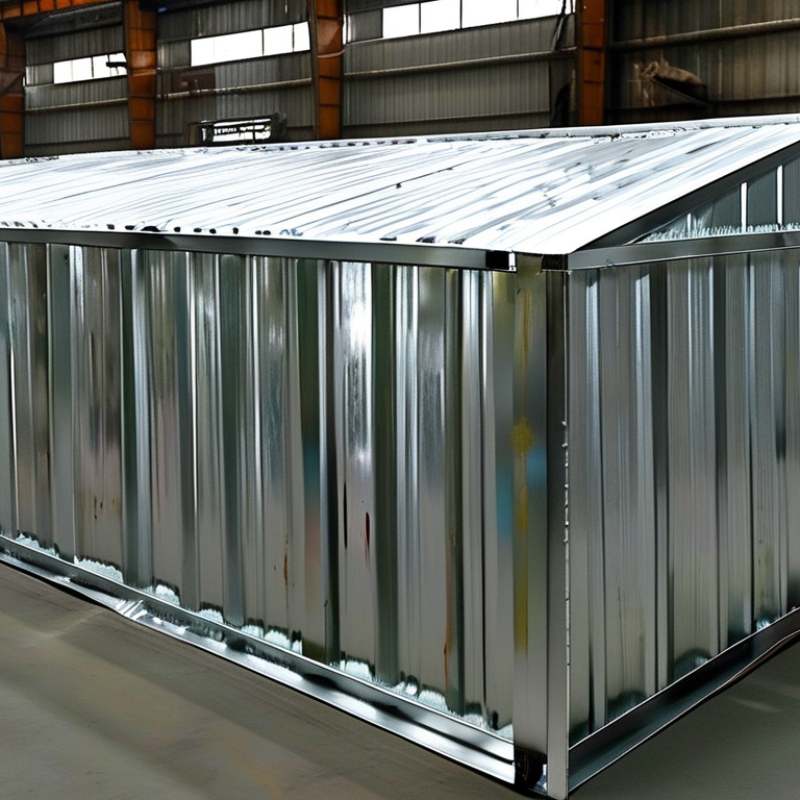
How to Choose the Right Gi Corrugated Steel Sheet for Your Project?

Understanding the Different Types of Gi Corrugated Steel Sheets

When selecting the right GI corrugated steel sheet, understanding the various types available is crucial. These sheets differ in thickness, coating, and profiles. Common thicknesses range from 0.3 mm to 1.5 mm. Thicker sheets tend to offer better durability but can increase project costs. On the other hand, thinner sheets may be cheaper but might not withstand harsh weather well.

The type of coating also matters. Galvanized coatings provide rust resistance, while color-coated options offer aesthetic appeal. Each coating serves specific needs. For example, color-coated sheets are popular for roofing because they enhance the building’s exterior. However, they may require more maintenance over time.

Different profiles, such as wave and tile, serve various purposes. A wave profile is excellent for water runoff, while tile can give a classic appearance. However, choosing a profile that does not suit your project can result in functional issues. Carefully consider all aspects, as an unsuitable choice can lead to costly adjustments later. Your project deserves the right material; investing time in understanding these differences pays off significantly.

Assessing the Structural Requirements of Your Project

Choosing the right gi corrugated steel sheet begins with understanding your project's structural requirements. Each structure has unique demands based on its intended use and environmental conditions. Factors such as load-bearing capacity, resistance to corrosion, and weight should be assessed thoroughly. For instance, high-wind areas require sheets with specific durability standards to ensure safety.

Next, consider the thickness and profile of the steel sheets. Thicker sheets offer better strength but may increase overall project costs. Profile shapes can also affect strength and aesthetic appeal. Analyzing how these elements interact within your design is crucial. Sometimes, a compromise between cost and performance is necessary.

Evaluate local building codes and regulations as well. These guidelines help clarify what materials are acceptable based on your project's scope. Ignoring these standards could lead to rework or safety issues. Reflecting on these aspects can lead to better decision-making and the prevention of costly mistakes. Always prioritize structural integrity over aesthetics or initial savings.

Assessment of Structural Requirements for Gi Corrugated Steel Sheets

Evaluating Environmental Factors and Their Impact

When evaluating environmental factors for gi corrugated steel sheet selection, consider local climate and weather conditions. Different climates affect the performance and longevity of materials. For instance, regions with high humidity may require a more corrosion-resistant option. According to industry reports, approximately 15% of steel corrosion is due to environmental exposure.

Tips: Assess your local environment carefully. Look at historical weather data. Use this information to make an informed decision.

The geographic location also plays a crucial role. Areas prone to extreme weather, like heavy rainfall or high winds, may demand sturdier types of corrugated steel. Engineering studies reveal that choosing the right gauge can reduce damage risk significantly. It’s common for projects to overlook these details.

Tips: Consult local environmental studies. They can provide insights into how structures fare over time. Understanding these factors may prevent costly mistakes.

Lastly, don’t forget about sustainability. Consider the lifecycle impact of your choice. Opt for materials with lower carbon footprints. Reports indicate that environmentally friendly options can enhance a project’s success and community acceptance.

Comparing Cost-Effectiveness and Budget Considerations

When embarking on a project that requires Gi corrugated steel sheets, cost-effectiveness is key. Examine your budget constraints closely. Different sizes and gauges can significantly impact the overall cost. Thicker sheets usually offer better durability but can also elevate expenses. Ensure you compare various suppliers to find a competitive option that fits both your needs and your budget.

Additionally, keep in mind that cheaper materials might not always offer the best value. It’s essential to assess the long-term implications of your choices. A lower upfront cost may result in higher maintenance expenses later. Investigate the lifespan of the sheets you intend to use. Some might come with warranties that could save you money in the long run. Misjudging your budget can lead to selecting materials that don’t meet the project's demands.

Consider potential installation costs as well. Hiring experts may add to your budget but could prevent costly mistakes. With limited experience, it's easy to overlook this factor. Your budget should encompass every aspect of the project. Reflect on how these components align with your financial plans. Balancing quality and cost is vital for a successful outcome.

Finding Reliable Suppliers and Manufacturers for Your Needs

When sourcing gi corrugated steel sheets, finding reliable suppliers is essential. Research shows that over 30% of construction delays arise from material supply issues. It is crucial to evaluate potential suppliers based on their experience and track record in the industry. Reliable suppliers often have established networks and can provide certifications to ensure quality.

Check for industry standards compliance. Look for suppliers who adhere to ISO and ASTM standards. This adherence ensures the sheets you purchase meet specific performance criteria. Additionally, consider geographical proximity. Local suppliers can reduce transportation costs and delivery times, aiding project timelines. Reports indicate that projects using local suppliers tend to finish 15% faster due to reduced lead times.

Engaging with multiple suppliers can provide valuable insights. Compare product specifications, pricing, and customer service. Some suppliers may offer innovative solutions or customization options that suit your specific needs. Be cautious, however, of prices that seem too low. This can often signal compromised quality. Ensure that the supplier's reputation can be verified through industry reviews.

FAQS

: What are

: The thicknesses range from 0.3 mm to 1.5 mm. Thicker sheets are more durable but costly.

How do coatings affect corrugated steel sheets?

Galvanized coatings resist rust. Color-coated sheets enhance aesthetics but may require more maintenance.

What profiles are available for corrugated steel sheets?

Common profiles include wave and tile. Each serves different purposes for water runoff and appearance.

How does project environment influence sheet selection?

High-wind areas need thicker, durable sheets. Consider structural demands carefully for safety.

What structural factors must be assessed?

Load-bearing capacity, corrosion resistance, and weight are crucial. Neglecting them can lead to issues.

Why is it essential to compare suppliers?

Different sizes and gauges affect costs. Finding competitive options helps stay within budget limits.

Can cheaper materials save money in the long run?

Not always. Lower costs may mean higher maintenance expenses. Assess longevity of materials used.

How do installation costs impact my budget?

Hiring experts could increase expenses. It’s crucial for avoiding mistakes that lead to higher costs later.

Should I prioritize budget over structural integrity?

No. Always prioritize structural integrity over aesthetics or initial savings for a successful outcome.

Are local building codes important?

Yes. Ignoring them could cause rework or safety concerns. Reflecting on these can prevent costly mistakes.

Conclusion

Choosing the right Gi Corrugated Steel Sheet for your project requires a comprehensive understanding of its various types and their specific applications. It is essential to assess the structural requirements of your project, ensuring that the selected sheets can support the intended load and resist environmental pressures. Additionally, evaluating factors such as climate and location can significantly impact the durability and performance of the sheets.

Cost-effectiveness and budget considerations should also be factored into your decision-making process. Comparing prices from multiple suppliers can help you choose a reliable manufacturer while maintaining quality. By considering these elements, you can select the most suitable Gi Corrugated Steel Sheet that meets your project's demands efficiently and economically.

Ethan

Ethan

Ethan is a seasoned marketing professional with a deep expertise in our company's innovative product line. With a passion for sharing knowledge and insights, he takes the lead in regularly updating our corporate blog, where he explores industry trends, product features, and effective marketing......