
Create Material Create Material

How to Choose the Right Hollow Section for Your Project?

Time:2026-08-06 Author:Amelia
0%

Choosing the right Hollow Section for your project can be a daunting task. According to Sarah Thompson, a leading expert in structural engineering, "The success of a project often relies on the correct selection of materials." Hollow Sections are widely utilized due to their versatility and strength, making them a popular choice in construction and manufacturing.

When evaluating options, it's vital to consider the specific requirements of your project. Factors such as load-bearing capacity, durability, and environmental conditions play a critical role. Hollow Sections come in various shapes and sizes, yet not all are created equal. This can lead to confusion, especially for those new to the field.

Understanding the differences between various materials is essential. Some might be more cost-effective, but they could compromise quality. As you explore your options, reflect on the long-term implications of your decisions. Selecting the right Hollow Section is not just about the present; it's about the future of your project.
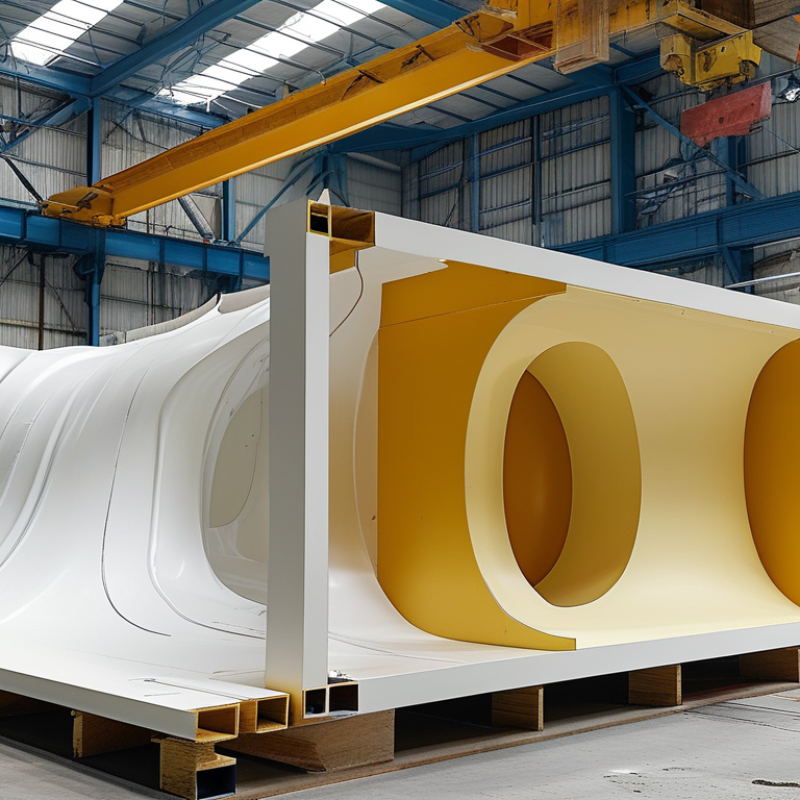
How to Choose the Right Hollow Section for Your Project?

Understanding Hollow Sections: Types and Their Applications

Hollow sections are widely used in construction and engineering projects. They come in different shapes like square, rectangular, and circular. Each type has unique advantages based on its application. According to the Steel Construction Institute, hollow sections provide better strength-to-weight ratios compared to solid sections. This feature allows for reduced material usage and lighter structures.

When selecting the right hollow section, consider the project’s requirements. Structural load, bending moments, and overall durability play key roles. For example, square hollow sections are ideal for beams and columns, while circular ones excel in handling torsional loads. Additionally, their design allows for easier welding and connection techniques, boosting efficiency in assembly.

**Tips:** Always consult with engineers about load specifications. Check industry standards to ensure compliance. Pay attention to corrosion protection methods, especially for outdoor applications. Remember that while hollow sections are efficient, improper usage can lead to structural failures. Regular reassessment of the materials used is essential for sustainable practices.

How to Choose the Right Hollow Section for Your Project?

Hollow Section Type Dimensions (mm) Material Common Applications
Square Hollow Section 20 x 20 to 100 x 100 Mild Steel Construction, Fencing
Rectangular Hollow Section 40 x 20 to 200 x 100 Stainless Steel Industrial Structures, Fabrication
Circular Hollow Section 20 to 200 Aluminum Pipelines, Automotive
Semi-Hollow Section Available Custom Sizes High Strength Steel Frames, Structural Supports

Key Factors to Consider When Selecting Hollow Sections for Construction

When selecting hollow sections for construction, key factors must be considered. The first crucial factor is the material. Hollow sections can be made from steel or aluminum. Steel offers strength, while aluminum provides lightweight options. Each material has its own advantages and disadvantages. For example, aluminum resists corrosion better but may not support heavy loads.

The dimensions of hollow sections are also vital. A section’s size affects its load-bearing capacity and structural integrity. Engineers often calculate the required dimensions based on the specific application. This involves understanding the loads the structure will face. Additionally, the shape matters—common options include square, rectangular, and circular. Each shape delivers different performance characteristics.

Finally, think about how the hollow section will be processed. Some sections require additional treatments like galvanization or painting. This can increase durability but may add to overall costs. An often overlooked aspect is the potential waste during cutting and fabrication. Reducing waste is not only eco-friendly but also more economical in the long run. Ensuring you have a reliable supplier for hollow sections can streamline this process and provide greater peace of mind.

Material Properties: Steel vs. Aluminum Hollow Sections

When choosing between steel and aluminum hollow sections, understanding material properties is crucial. According to industry data, steel offers higher tensile strength than aluminum, making it suitable for heavy-load applications. For example, steel hollow sections can withstand up to 250 MPa of yield strength, while aluminum typically ranges around 70 MPa. However, steel is heavier and can be more prone to corrosion without proper treatment.

Aluminum, on the other hand, is lightweight and resistant to corrosion, making it ideal for outdoor applications. It features a high strength-to-weight ratio, maintaining functionality in various structures. Additionally, aluminum hollow sections are easier to transport and work with, which can lead to cost savings on labor and logistics. Yet, the trade-off lies in the lower load-bearing capacity compared to steel.

**Tips:** Assess the environmental conditions before making a choice. A corrosion-prone area may favor aluminum for its durability. Also, consider the intended use—heavy structures generally lean towards steel, while lightweight frameworks may benefit from aluminum. Remember, both materials have their strengths and weaknesses, making it essential to align your project needs with material capabilities.

Material Properties Comparison: Steel vs. Aluminum Hollow Sections

Industry Standards and Codes Affecting Hollow Section Selection

When selecting hollow sections for your project, industry standards and codes are crucial. These guidelines ensure safety and structural integrity. Organizations such as ASTM and ISO set benchmarks that materials must meet. For example, ASTM A500 specifies quality requirements for cold-formed and welded or seamless carbon steel structural tubing.

Different sectors have varying codes that directly impact hollow section selection. For instance, in construction, compliance with the Eurocode is often mandatory. This code provides detailed specifications regarding load-bearing capacities, material durability, and dimensional tolerances. Failure to adhere to these standards can lead to significant structural failures. According to a report from the American Institute of Steel Construction, over 20% of construction projects face technical delays due to material misselection.

Choosing the right hollow section involves balancing cost, performance, and code compliance. Many engineers still grapple with these choices. The industry is evolving, and the need for sustainable materials is growing. Emerging data suggest that up to 30% of material waste stems from poor selection practices. This reinforces the importance of keeping abreast of current standards and reflecting on past selection decisions.

Cost Analysis: Budgeting for Hollow Sections in Your Project

When budgeting for hollow sections, it’s vital to consider material costs and labor expenses. Research the market pricing to avoid overspending. Prices can vary significantly based on the type of hollow section chosen. Be aware of your project’s specific requirements. Sometimes, cheaper options may lead to higher maintenance costs later.

Tips: Always include a buffer in your budget. Unexpected expenses often arise, especially in large construction projects. Get multiple quotes to compare prices and services. Some suppliers may offer discounts for bulk purchases.

Think about the long-term benefits of investing in quality hollow sections. They may cost more upfront, but their durability pays off. It’s essential to align your budget with project specifications. Sometimes, overlooking small details can balloon costs unexpectedly. Take time to assess all aspects before finalizing your choice.

FAQS

: What are hollow sections used for?

: Hollow sections are commonly used in construction and engineering projects for their unique shapes and advantages.

What shapes do hollow sections come in?

They are available in square, rectangular, and circular shapes, each with specific benefits for different applications.

Why choose hollow sections over solid sections?

Hollow sections have a better strength-to-weight ratio, allowing for lighter structures and reduced material usage.

What should I consider when selecting a hollow section?

Consider structural loads, bending moments, and overall durability to find the appropriate hollow section for your project.

Which type of hollow section is best for beams?

Square hollow sections are preferred for beams and columns due to their strength and stability.

How do steel and aluminum hollow sections differ?

Steel offers higher tensile strength but is heavier. Aluminum is lightweight and corrosion-resistant, suitable for outdoor use.

What is the yield strength of steel hollow sections?

Steel hollow sections can withstand yield strengths up to 250 MPa, making them ideal for heavy-load applications.

Can aluminum hollow sections handle heavy loads?

Aluminum has a lower load-bearing capacity than steel, making it less suitable for heavy structures.

Why is regular reassessment of materials important?

Regular checks ensure sustainable practices and prevent potential structural failures from improper usage.

How do environmental conditions affect material choice?

In corrosion-prone areas, aluminum may be favored for its durability, while heavier structures might require steel.

Conclusion

When selecting the right hollow section for your construction project, it is essential to understand the various types available and their specific applications. Hollow sections can be categorized primarily into square, rectangular, and circular shapes, each offering unique benefits depending on the structural requirements. Key factors to consider include the load-bearing capacity, aesthetic appeal, and compatibility with other materials used in the project.

Material properties also play a crucial role in the selection process, with steel and aluminum hollow sections being the most common choices. Steel offers higher strength and durability, while aluminum is lighter and resistant to corrosion. Additionally, adherence to industry standards and codes is vital to ensure safety and compliance. Finally, a thorough cost analysis is necessary to budget effectively for hollow sections, considering both initial investment and long-term maintenance costs. By carefully assessing these aspects, you can choose the most suitable hollow section for your specific needs.

Amelia

Amelia

Amelia is a seasoned marketing professional with a wealth of expertise in our company’s core offerings. With an unwavering passion for driving growth and innovation, she plays a pivotal role in shaping our marketing strategies and enhancing brand visibility. A key aspect of her responsibilities......