
Create Material Create Material

How to Choose the Right Steel Material for Your Project?

Time:2026-07-27 Author:Isabella
0%

Choosing the right steel material for your project can significantly affect its success. According to industry expert Dr. Emily Carter, a materials engineer at Steel Innovations, "The right steel can mean the difference between failure and success in design." Steel material is not just a commodity; it is a fundamental component of engineering and construction.

Understanding the properties of various steel materials is crucial. Different projects demand specific strengths, resistances, and appearances. For instance, stainless steel is ideal for corrosive environments, while carbon steel excels in structural applications. However, not every project is straightforward. Overlooking key specifications can lead to costly setbacks.

When selecting steel materials, one must consider factors like cost, availability, and long-term performance. It’s a balance of engineering requirements and budget constraints. If you only focus on the cheapest option, you might compromise quality. Ultimately, a thorough understanding of your project's needs will guide you in making the best choice. Reflecting on past experiences can also provide valuable insights into what works and what doesn't in the world of steel material selection.
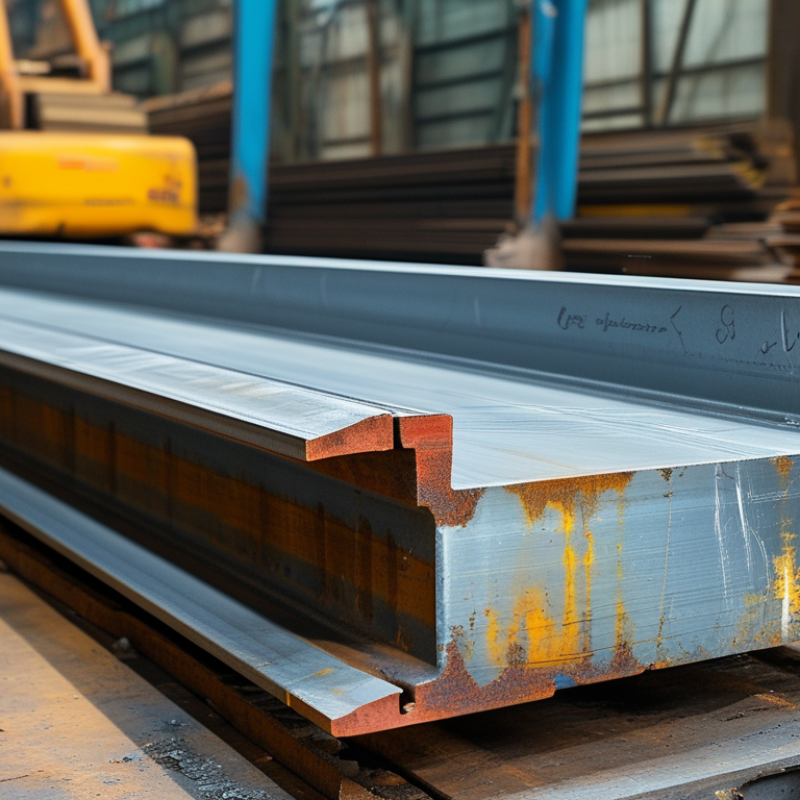
How to Choose the Right Steel Material for Your Project?

Understanding Different Types of Steel Materials and Their Properties

When selecting the right steel material, understanding various types and their properties is essential. Carbon steel is commonly used for its strength and affordability. It has varying levels of carbon content, which affects its hardness and ductility. High-carbon steel is tough but may become brittle. Low-carbon steel is more malleable, making it ideal for applications like automotive components.

Stainless steel is another option, known for its corrosion resistance. It contains chromium, which protects against rust. This makes it suitable for kitchen appliances and outdoor structures. However, stainless steel often comes with a higher cost and may be overkill for projects that don't require corrosion resistance.

Alloy steels combine different elements to enhance specific properties. For example, adding manganese improves strength, while nickel can increase toughness. But with these enhancements, it can be challenging to balance cost and performance. Understanding these nuances is crucial. Each type of steel has its unique characteristics, affecting the final outcome of any project. Careful consideration of your project needs will lead to better choices.

Assessing the Mechanical Requirements of Your Project

When selecting steel for a project, consider the mechanical requirements. The intended use greatly influences the choice of material. Different projects demand various strength levels, ductility, and toughness. Assess the load conditions your steel will face. Will it endure heavy weights or resist impact? Knowledge of these factors is crucial for making an informed decision.

Tips: Always consult design standards relevant to your specific application. Engage with engineers to clarify requirements. They provide insights on proper material selection.

Evaluate the environment where your project will operate. Is corrosion resistance necessary? For outdoor projects, select stainless steel or coated options. If your project involves high temperatures, specific alloys might be critical. Consider both operational and environmental conditions.

Tips: Don't overlook testing methods for verifying material properties. This can prevent costly mistakes later on. A material may seem appropriate but fail under pressure. Reevaluate your choices periodically to ensure long-term reliability.

Evaluating Environmental and Corrosion Resistance Needs

When evaluating materials for projects, understanding environmental challenges is crucial. Corrosion resistance plays a vital role in the longevity of steel. Research shows that steel exposed to harsh environments can corrode rapidly, leading to costly repairs and safety risks. Statistics indicate that corrosion costs the U.S. economy around $276 billion annually. Therefore, selecting steel with appropriate corrosion resistance is essential.

Consider the operating environment. Humidity, temperature, and chemical exposure are factors that impact corrosion. For instance, coastal areas are prone to saltwater corrosion. This can be mitigated by using stainless steel or galvanized materials. However, not all projects will warrant the expense of these options. Balancing cost and durability is key.

Tip: Regular inspections can help identify early signs of corrosion, prolonging the life of your materials.

When making choices, consult the ASTM and ISO standards for guidance on material properties. These guidelines outline performance traits essential for different environments. Remember, there’s no one-size-fits-all solution. The right material for one project may not suit another. It's important to weigh your options carefully and consider both short and long-term effects.

How to Choose the Right Steel Material for Your Project? - Evaluating Environmental and Corrosion Resistance Needs

Steel Type Corrosion Resistance Environmental Suitability Typical Applications
Carbon Steel Low Moderate, not ideal for marine environments Construction, automotive
Stainless Steel High Good in humid and marine environments Food processing, medical equipment
Al Alloy Steel Moderate Good for lightweight applications Aerospace, automotive
Corrosion-Resistant Steel Very High Ideal for hostile environments Marine constructions, offshore platforms
Galvanized Steel Moderate to High Good for outdoor applications Fencing, roofing

Considering Cost Effectiveness and Availability of Steel Options

When choosing steel for a project, cost effectiveness and availability are crucial. The right type of steel can significantly impact your budget. Prices fluctuate due to market demand, which makes planning essential. Consider various steel grades and forms. Each option has a different cost associated with it.

Availability can also influence your decision. Some steel types may be easy to find, while others might require longer lead times. Local suppliers often have stock for common grades. However, specialized steel may necessitate ordering from further away. This can add to your overall project timeline and expenses.

Reflect on the balance between cost and your project's requirements. A cheaper option may be tempting, but it might not meet your strength or durability needs. Conversely, a high-quality steel could lead to a longer lifespan and lower maintenance costs. Take the time to analyze both short-term and long-term impacts on your project.

Steel Material Cost Comparison

Consulting Industry Standards and Certifications for Steel Selection

When selecting steel for a project, industry standards and certifications play a crucial role. They provide valuable guidance in navigating the complex world of steel materials. Standards such as ASTM and ISO outline specifications for various steel grades, ensuring the material meets performance requirements. Understanding these specifications helps in choosing the right type for your needs.

Certification is equally important. It assures that the steel production process adheres to industry norms. Look for certifications like EN 1090 or CE marking, which indicate compliance with European regulations. These credentials can enhance the reliability of your materials. Relying solely on price or availability can lead to poor choices. Always prioritize quality.

Furthermore, not every project may require the highest-grade steel. Consider the application and environment. In some cases, a lower grade may suffice, while other projects need the strongest materials. Reflecting on your project's unique demands can help in making a more informed decision. Balancing cost, quality, and purpose is key.

FAQS

: What is the main factor when selecting steel materials?

: Understanding different types and their properties is essential for selection.

How does carbon content affect steel?

Carbon content influences hardness and ductility. High-carbon steel is tough, while low-carbon steel is more malleable.

Why choose stainless steel?

Stainless steel offers corrosion resistance due to chromium, making it ideal for kitchens and outdoor use.

What are alloy steels?

Alloy steels have additional elements enhancing properties, but balancing cost and performance can be challenging.

What mechanical requirements should I consider for my project?

Assess strength, ductility, and toughness based on project's load conditions and intended use.

Is corrosion resistance always necessary?

Not always. Evaluate the project's environment; select based on outdoor or indoor use.

Why consult design standards and engineers?

They provide crucial insights on material selection and project requirements, preventing mistakes.

How can I verify material properties?

Testing methods are vital for ensuring reliability. A material might seem suitable but could fail under specific conditions.

How often should I reevaluate material choices?

Periodic reevaluation is key for ensuring long-term performance and reliability of materials.

What is a common mistake in steel selection?

Overlooking the specific needs of a project can lead to costly errors and the wrong material choice.

Conclusion

Selecting the right steel material for your project involves a comprehensive understanding of various steel types and their unique properties. Each type of steel offers different mechanical characteristics, which are crucial in determining suitability based on your project’s specific requirements. Assessing these mechanical needs helps ensure that the chosen steel material will perform adequately under the expected load and stress conditions.

Furthermore, evaluating environmental factors, such as corrosion resistance, plays a key role in ensuring longevity and durability. Cost-effectiveness and the availability of different steel options should also be considered to balance budget constraints with project demands. Lastly, consulting relevant industry standards and certifications can guide the selection process, ensuring that the chosen steel material meets all necessary safety and performance benchmarks. By following these steps, you can make an informed decision that aligns with both project requirements and budgetary constraints.

Isabella

Isabella

Isabella is a dedicated marketing professional with a sharp focus on driving brand growth and engagement through strategic content creation. With an extensive background in digital marketing, she combines her passion for storytelling with her keen understanding of industry trends to deliver......