
Create Material
In the construction and manufacturing industries, a galvanized tube plays a crucial role. Expert David Turner, a leading figure in the metal industry, once stated, “The durability of galvanized tubes makes them essential for various applications.” Galvanized tubes are steel tubes coated with zinc to prevent rust. This process enhances their lifespan and reduces maintenance costs.
These tubes are used in scaffolding, fencing, and plumbing. Their resistance to corrosion is a significant advantage. However, choosing the right type is vital. Not all galvanized tubes are created equal. Factors like thickness and coating quality can significantly impact performance.
Despite their advantages, some question their environmental impact. This highlights the need for continuous improvement. Being informed about the latest advancements in galvanized tubes can lead to better choices. Understanding this material's importance is essential for anyone in the industry.
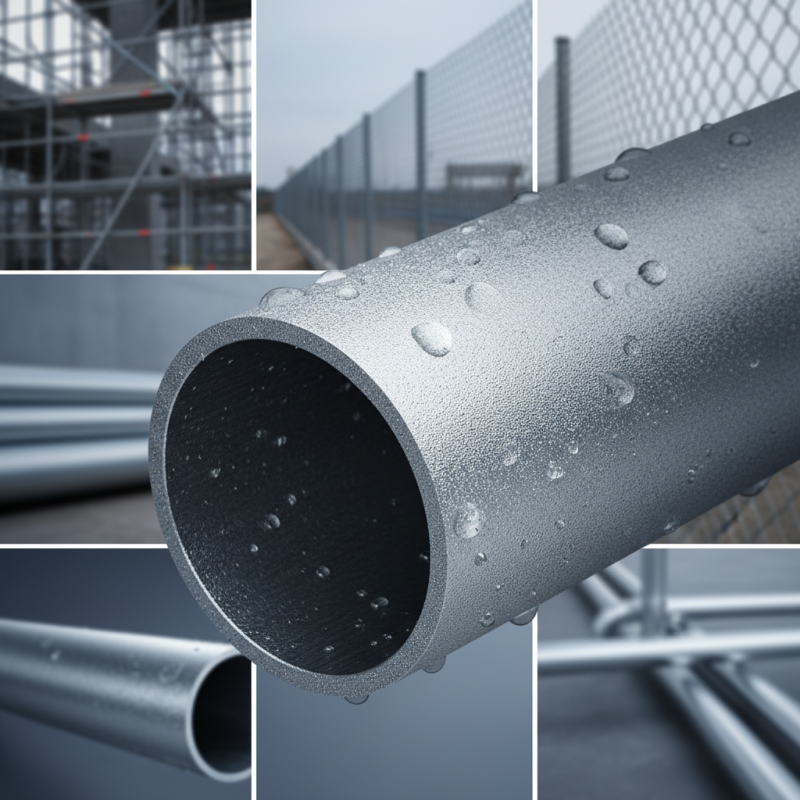
A galvanized tube is a type of steel pipe that has undergone a protective coating process. This process involves dipping steel tubes into molten zinc. The zinc forms a barrier against corrosion, making galvanized tubes highly durable. They are commonly used in construction and plumbing. Their resistance to rust and elements is a major advantage in various applications.
Galvanized tubes play a significant role in various industries. For example, they are essential for outdoor buildings, fences, and scaffolding. Their longevity reduces the need for frequent replacements. However, not all galvanized tubes are the same. Some may not adhere well to the standards of durability expected. Inspecting the quality before use is vital.
While galvanized tubes provide various benefits, they also have limitations. The zinc coating can wear over time, especially in harsh environments. Awareness of these factors is critical for proper application. Professional advice can help choose the right type of galvanized tube for specific needs.
Galvanized tubes play a critical role across multiple industries due to their durability and resistance to corrosion. This chart illustrates the percentage of usage of galvanized tubes in various sectors such as construction, automotive, manufacturing, agriculture, and plumbing.
Galvanized tubes are essential in various industries due to their durability and corrosion resistance. The manufacturing process begins with steel tubing, which is cleaned to remove contaminants. This ensures a better bond with the zinc during the galvanizing process. According to industry reports, hot-dip galvanizing is the preferred method. In this process, the steel tube is dipped into molten zinc, forming a protective layer. This layer enhances the tube's lifespan significantly, extending it by up to 50 years under optimal conditions.
The composition of galvanized tubes typically involves a blend of steel and a zinc coating. The zinc used must meet specific purity standards, usually above 99.5%. This direct interaction leads to a metallurgical bond, making the tube resilient against environmental factors. However, challenges arise during the galvanizing process. Uneven coating or insufficient cleaning can lead to weakened structures. Industry studies suggest that these imperfections can reduce the expected lifespan of galvanized tubes by up to 30%. Such data highlights the importance of rigorous quality control in manufacturing. Attention to detail is crucial for achieving the desired durability.
Galvanized tubes are steel tubes coated with zinc to prevent corrosion. This process enhances their durability, making them a popular choice in construction and plumbing. The American Society for Testing and Materials (ASTM) states that galvanized steel pipes can last over 70 years under proper conditions. This longevity contributes significantly to project longevity and reduces maintenance costs.
One of the most notable advantages of galvanized tubes is their resistance to rust and wear. According to data from the American Galvanizers Association, these tubes can withstand harsh weather conditions, making them ideal for outdoor applications. They maintain structural integrity even in extreme environments. Additionally, galvanized steel exhibits excellent welding characteristics, allowing for seamless integration into various construction projects. This adaptability is crucial in industries that demand rigorous standards for safety and performance.
However, there are aspects to reflect on when using galvanized tubes. For example, zinc coating can be compromised through improper installation or damage. Once the coating is scratched, the underlying steel can corrode. It's essential to ensure proper handling to maximize their benefits. Also, while they are resistant to many chemicals, they can still be vulnerable to certain acidic environments, necessitating careful selection in specific applications.
Galvanized tubes play a vital role in various industries due to their durability and resistance to corrosion. These tubes are commonly used in construction, automotive, and agricultural applications. For instance, in construction, galvanized tubes serve as structural components for scaffolding and frame systems. Their ability to endure harsh weather conditions makes them ideal in outdoor environments.
In the automotive industry, galvanized tubes are often utilized in exhaust systems and other parts where rust can compromise safety. Research from the American Galvanizers Association indicates that corrosion-resistant materials can extend the lifespan of automotive components by up to 50%. These tubes also find their way into agricultural machinery, protecting vital equipment from the elements and ensuring efficiency in farming operations.
However, the production of galvanized tubes is not without its challenges. The process can generate hazardous waste if not managed properly. Additionally, the market for galvanized tubes can be affected by fluctuating steel prices, leading to cost unpredictability for manufacturers. It's crucial to remain aware of these potential pitfalls while harnessing the benefits of galvanized materials in various applications.
Galvanized tubes are commonly used in various construction and engineering applications. Their coatings make them resistant to corrosion and rust, extending their lifespan significantly. However, it's essential to consider their environmental impact and sustainability.
The production of galvanized tubes involves processes that consume energy and resources. While these tubes are durable and can last decades, the initial manufacturing phase can lead to greenhouse gas emissions. These emissions contribute to climate change, raising questions about the sustainability of such materials. The energy-intensive methods used in galvanization can also deplete valuable natural resources. It's crucial to weigh the long-term benefits against the immediate environmental costs.
On the positive side, galvanized tubes can be recycled. Recycling reduces the need for new raw materials and lessens the overall environmental footprint. However, the infrastructure for recycling these materials isn't universally available. Improved recycling processes are essential for enhancing the sustainability of galvanized tubes. Awareness and innovation in recycling methods create opportunities for a greener future, but we must continuously strive for improvement in all stages of production and consumption.
: They consist of steel with a zinc coating for corrosion resistance.
The preferred method is hot-dip galvanizing, where tubes are dipped in molten zinc.
Under optimal conditions, they can last over 70 years, extending lifespan significantly.
They are used in construction, automotive parts, and agricultural machinery due to their durability.
Uneven coating or insufficient cleaning can weaken the tubes and reduce their lifespan.
Yes, improper handling can damage the zinc coating and lead to corrosion of the steel underneath.
No, they may be vulnerable to certain acidic conditions, requiring careful application choices.
They maintain structural integrity in harsh conditions, making them suitable for outdoor use.
Their longevity can reduce maintenance costs significantly, contributing to project sustainability.
The process can produce hazardous waste if not managed properly, affecting sustainability.
A galvanized tube is a type of steel tube coated with a layer of zinc to protect it from corrosion and extend its lifespan. The manufacturing process involves hot-dipping or electro-galvanizing, which ensures a strong adherence of the zinc layer. Galvanized tubes are known for their durability, resistance to rust, and ability to withstand harsh environmental conditions, making them a preferred choice in various applications.
These tubes are widely utilized across multiple industries, including construction, automotive, and agriculture, due to their strength and longevity. Additionally, galvanized tubes contribute to sustainability efforts by reducing the need for frequent replacements and decreasing waste. As the demand for environmentally responsible materials grows, the importance of galvanized tubes in promoting sustainable practices continues to rise.
