Create Material
Gi Steel Sheet is a crucial material in various industries. It combines strength with corrosion resistance, making it a preferred choice for many applications. Buyers should understand its significance in construction, automotive, and manufacturing sectors.
This type of steel sheet is coated with zinc, enhancing its durability. Buyers often seek Gi Steel Sheet due to its longevity and cost-effectiveness. It's essential to evaluate quality when considering suppliers.
However, not all Gi Steel Sheets are created equal. Some may have inconsistent coating thickness or low-quality steel. It’s wise to conduct thorough research before making a purchase. Careful selection ensures that the product meets specific project requirements.
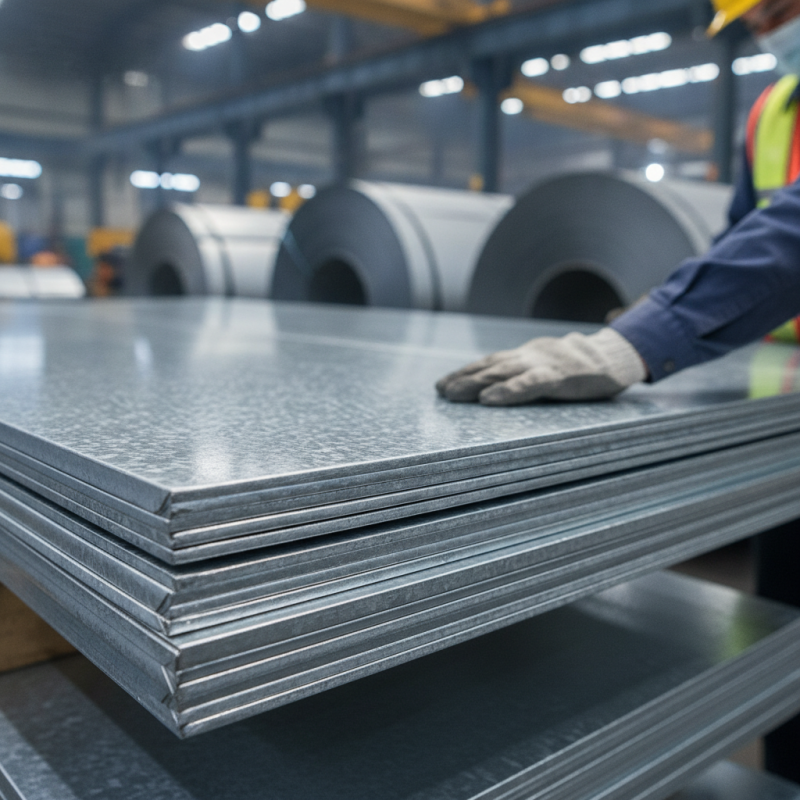
Galvanized iron (GI) steel sheets are crucial materials in construction and manufacturing. They consist of iron sheets coated with zinc to enhance their corrosion resistance. This process increases the longevity of the sheets, making them ideal for outdoor use. Research indicates that GI steel’s thickness can significantly affect its durability. Thicker sheets can resist rust for up to 25 years. This durability is essential for buyers looking to ensure long-term performance.
To choose the right GI steel sheet, consider its application. Different projects may require various thicknesses and coatings. For instance, sheets used in marine environments need extra protective layers. Consulting industry standards, like ASTM A653, can provide guidelines on the material’s properties. Ensure proper handling during transportation. Damage during shipping can affect the sheet's performance.
Tip: Conduct a test for rust resistance before making bulk purchases. An untested sheet may lead to increased maintenance costs down the line. An additional factor is price fluctuations in raw materials; staying informed on current market trends is advisable. This vigilance can greatly influence buying decisions and project planning.
Gi steel sheets, or galvanized iron sheets, are significant in construction and manufacturing. These sheets consist of a steel base coated with zinc. This coating provides excellent corrosion resistance, important for longevity in various applications. According to industry reports, the demand for galvanized steel is rising, with a projected growth of 3.7% annually until 2026.
The manufacturing process of Gi steel sheet begins with hot-rolled steel. The steel is then immersed in molten zinc. This immersion ensures a robust bond between the zinc and steel, achieving a durable surface. The thickness of the zinc coating can vary, affecting the sheet's performance and cost. For example, a heavier coating will offer better protection but may increase expenses. Scrutiny of production quality is necessary, as inconsistent coating can lead to premature failure in harsh environments.
However, some challenges arise. Variations in the zinc coating's consistency can impact performance. Buyers should also consider the sheet's specific application. Not all Gi sheets are suitable for every environment. Understanding these factors can help buyers make informed decisions, enhancing the overall value and safety of their projects.
Gi steel sheet, or galvanised iron sheet, plays a crucial role in various industries due to its unique characteristics. One of its key properties is corrosion resistance. The zinc coating protects the steel from rust and external elements, enhancing its durability. This is especially important for construction and automotive applications, where exposure to harsh conditions is common.
Another benefit of Gi steel sheet is its excellent formability. It can be easily molded into various shapes and sizes, making it versatile for multiple uses. Whether it's for roofing, wall cladding, or industrial containers, Gi steel sheets provide reliable performance. Additionally, maintaining these sheets is less demanding than other materials, saving time and money for buyers.
However, it’s important to note that not all Gi sheets are created equal. Variations in thickness and coating type can impact performance. Buyers should be aware of these differences to avoid issues like early wear or insufficient protection. Ultimately, understanding the key properties and benefits of Gi steel sheets is essential for making informed purchasing decisions.
Gi steel sheets, known for their durability and corrosion resistance, have a wide range of applications across industries. They are commonly used in construction, automotive, and household appliances. In construction, they serve as roofing material due to their ability to withstand weather conditions. In the automotive industry, Gi sheets are ideal for car body components, offering both strength and lightweight properties. Household appliances, such as refrigerators and washing machines, often utilize Gi sheets to enhance their lifespan.
Tip: When selecting Gi steel sheets, consider the intended application. Different thicknesses and coatings may be required depending on specific needs.
Additionally, the versatility of Gi steel sheets allows for their use in manufacturing furniture. Many designers appreciate their aesthetic appeal and sturdiness. Industrial equipment also benefits from Gi sheets, which can provide essential protection against wear and tear. However, buyers should be cautious about sourcing quality materials. Not all suppliers offer the same standards, which can impact performance.
Tip: Always request samples or specifications before making a purchase. This helps ensure the product meets your requirements.
When considering the purchase of Gi steel sheets, several factors require attention. Understanding your project’s specific needs is crucial. Different applications may demand varying thicknesses and coatings. Assess the intended use, be it construction, automotive, or manufacturing. These elements define the quality and durability you will require.
Price is often a deciding factor. However, a lower price can sometimes mean a compromise in quality. It's essential to balance cost against the quality you need. Don't hesitate to ask suppliers about the nuances of their offerings. Furthermore, consider where the materials are sourced. Sustainability in procurement is becoming increasingly important in today’s market.
**Tip:** Always check for certifications. This ensures you receive a product that meets industry standards.
Logistics can also be overlooked. Understand delivery times and shipping costs. Delays can impact project timelines. During high-demand periods, lead times may increase. Cultivate relationships with suppliers. Good communication can help navigate these challenges more effectively.
**Tip:** Always keep a buffer in your project schedule for unexpected delays.
Research suppliers' reputations too. Seek reviews and testimonials. This simple step can prevent future inconveniences. Remember, the choice you make will impact the project’s overall success.
: GI steel sheets are iron sheets coated with zinc for corrosion resistance. They are essential in construction and manufacturing.
Thicker GI steel sheets can resist rust for up to 25 years, enhancing longevity in outdoor applications.
Consider the application and required thickness. Different projects may necessitate specific coatings and materials.
Industry standards like ASTM A653 provide guidelines on the properties of materials, aiding selection processes.
Damage during shipping can affect the performance of GI steel sheets. Proper handling ensures their integrity.
Conduct rust resistance tests on GI sheets. Unverified sheets can lead to costly maintenance in the future.
Yes, raw material prices can fluctuate, impacting buying decisions and project planning. Stay informed on market trends.
They are used in construction, automotive industries, and in household appliances due to their durability and strength.
Yes, their aesthetic appeal and sturdiness make GI steel sheets suitable for manufacturing furniture.
Always request samples or specifications before buying. Not all suppliers meet the same quality standards.
Gi Steel Sheet, or galvanized iron sheet, is a type of steel sheet that has been coated with a layer of zinc to provide enhanced corrosion resistance. The manufacturing process involves hot-dip galvanizing, where steel sheets are submerged in molten zinc. This not only increases the sheet's durability but also its lifespan, making it an attractive option for various applications.
The key properties of Gi Steel Sheet include strong tensile strength, excellent formability, and resistance to environmental factors, which makes it suitable for industries such as construction, automotive, and appliance manufacturing. When purchasing Gi Steel Sheet, buyers should consider factors such as thickness, coating weight, and the intended application to ensure they select the right product for their specific needs.
