
Create Material Create Material

Why Choose Galvanized Steel Sheet for Global Projects?

Time:2026-10-10 Author:Charlotte
0%

Why Choose Galvanized Steel Sheet for Global Projects?

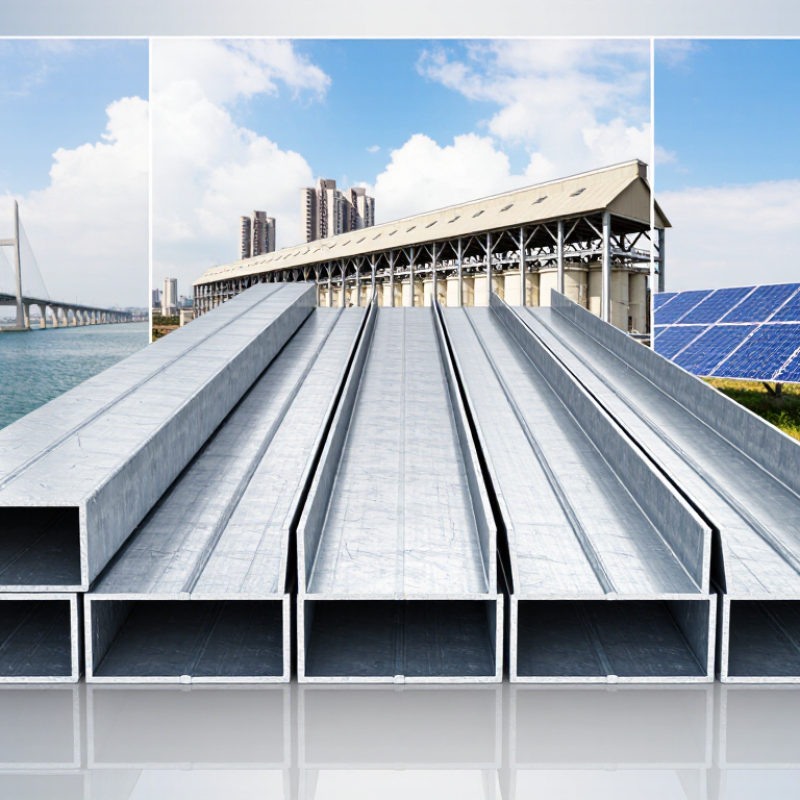
Global construction is becoming more demanding, not simply larger. Bridges, warehouses, solar frames, and coastal facilities face rain, humidity, salt, and repeated temperature changes. Galvanized Steel Sheet offers a practical defense because its zinc coating creates a physical barrier. It also provides sacrificial protection when the surface is scratched.

The World Steel Association reported approximately 1.88 billion tonnes of crude steel production worldwide in 2024. That scale shows steel remains central to infrastructure development. The U.S. Geological Survey identifies galvanizing as zinc’s largest end use. This relationship matters. Steel supplies strength, while zinc helps delay corrosion and reduce maintenance pressure. The American Galvanizers Association also reports that hot-dip galvanized coatings can provide decades of maintenance-free protection, depending on the environment and coating thickness.

The principle is well established. Corrosion engineer Dr. Mars G. Fontana wrote, “Corrosion is the deterioration of a material as a result of reaction with its environment.” Galvanizing directly addresses that environmental threat. Yet the choice is not automatic. Surface preparation, drainage, cut edges, fasteners, transport damage, and local atmospheric conditions still require careful review.

No coating is magic.

For global projects, buyers should compare coating standards, thickness, fabrication methods, and expected service life. ISO 1461 and ASTM A123 provide useful technical references, but regional specifications may differ. Reports offer valuable direction, not final answers. A well-designed Galvanized Steel Sheet system can lower repainting needs, simplify maintenance planning, and improve lifecycle value. Its strongest advantage may be less visible: fewer interruptions after installation.
Why Choose Galvanized Steel Sheet for Global Projects?

What Is Galvanized Steel Sheet and How Is It Made?

Why Choose Galvanized Steel Sheet for Global Projects?

Galvanized steel sheet is carbon steel protected by a layer of zinc. The zinc slows corrosion by forming a barrier against moisture and air. It also provides sacrificial protection when small scratches expose the steel. This makes galvanized sheet useful for roofing, ductwork, enclosures, agricultural equipment, and transport components.

Most galvanized sheet is made through hot-dip galvanizing. The steel coil is cleaned, pickled, and rinsed to remove oil, rust, and scale. It then passes through a molten zinc bath, usually near 450°C. Air knives control the coating thickness as the sheet leaves the bath. After cooling, the surface is inspected for adhesion, coating weight, flatness, and visible defects.

The process looks simple. It is not.

In practical production, surface preparation strongly affects coating quality. Even a thin residue can create bare spots or uneven zinc coverage. Engineers should match the coating grade and steel strength to the project environment. Coastal humidity, road salt, and industrial pollution can demand different specifications. Cutting edges may also need extra protection, especially in harsh climates. Galvanized steel is durable, but it is not maintenance-free. Regular inspections can reveal white rust, drainage problems, or damaged areas before they spread. One detail deserves reflection: thicker zinc does not always solve every design problem. Good detailing, correct storage, and controlled installation matter just as much.

Why Choose Galvanized Steel Sheet for Global Projects?

What Is Galvanized Steel Sheet and How Is It Made?

Galvanized steel sheet is carbon steel coated with zinc to help protect the base metal from corrosion. In continuous hot-dip galvanizing, the sheet is cleaned, pickled, fluxed, immersed in molten zinc at approximately 450°C (842°F), air-wiped to control coating thickness, cooled, and inspected.

The chart shows common ASTM A653 coating designations. Values represent the approximate total zinc coating mass on both sides of the sheet: higher coating mass generally provides greater corrosion protection, subject to the service environment and design requirements.

How Does Galvanization Protect Steel from Corrosion?

On global construction sites, galvanized steel sheet is valued for its practical resistance to corrosion. The key protection comes from zinc, not from steel itself. During hot-dip galvanization, cleaned steel passes through molten zinc. The coating forms bonded layers between zinc and iron. These layers create a physical barrier against moisture, oxygen, and salts.

Zinc also offers sacrificial protection. When a scratch exposes steel, zinc corrodes preferentially around the damaged area. This electrochemical action can protect small exposed sections for a period of time. Field inspections often show the difference clearly. Bare steel develops orange rust quickly. Galvanized surfaces may show dull white deposits instead. That appearance is not always coating failure. Still, it deserves inspection. No coating is invincible.

Performance depends on the environment and project design. Coastal air, industrial fumes, and trapped water can shorten service life. Design details matter. Drainage holes, separated contact surfaces, and sealed overlaps reduce corrosion risks. Freshly galvanized sheets also need dry, ventilated storage. Persistent condensation can cause wet storage stain beneath stacked sheets. Cut edges usually receive protection from nearby zinc, but large scratches need proper repair. Engineers should verify coating thickness, surface condition, and exposure conditions before installation. Local climate data should guide the specification. A thicker coating is not automatically the best choice. That assumption is risky.

What Are the Key Benefits for Global Construction Projects?

Global construction projects face rain, salt air, dust, and long transport routes. Galvanized steel sheet offers a practical response because its zinc coating protects the underlying steel from corrosion. The coating also provides sacrificial protection when small scratches expose the surface. This matters on roof panels, wall cladding, ducts, and modular frames handled across several sites.

The World Steel Association reported global crude steel production of about 1.89 billion tonnes in 2023, showing the material’s enormous industrial scale. Galvanized sheet benefits from this established supply network. Standard thicknesses and coating grades can simplify specification, replacement, and cross-border procurement. It is also lighter than many alternative assemblies, which may reduce lifting demands and transport loads. Small savings add up.

Durability supports lifecycle value. Technical guidance from the International Zinc Association indicates that zinc coating service life depends strongly on coating thickness and local atmospheric exposure. Coastal projects need different assessment from dry inland buildings. No coating is magic. Designers must still check cut edges, fasteners, drainage, and contact with dissimilar metals.

The European General Galvanizers Association also identifies galvanizing as a long-term corrosion-control method with limited maintenance requirements. Steel remains highly recyclable, according to World Steel Association reports, but recycling performance depends on collection and processing infrastructure. That assumption needs testing before specification. When engineers combine site data, verified coating standards, and realistic maintenance plans, galvanized steel sheet becomes a dependable choice for demanding international construction.

How Does Galvanized Steel Sheet Perform Across Different Climates?

Galvanized steel sheet supports global construction because its zinc coating protects steel from everyday corrosion. Its performance, however, changes with climate and site conditions. In humid coastal areas, salt particles can attack exposed edges, scratches, and cut surfaces. Good drainage and sealed overlaps become especially important. In rainy regions, standing water can shorten service life, even when the coating remains intact.

Cold climates create another challenge. Freeze-thaw cycles may open joints and trap moisture beneath poorly designed connections. In hot deserts, strong sunlight and large temperature changes can cause expansion, contraction, and coating stress. Dry air reduces general corrosion, but dust can collect around fasteners and block drainage paths. Field inspections often reveal this small detail. It matters more than expected.

Tips: Match coating thickness to local exposure, not only the project budget. Protect cut edges, avoid water traps, and use compatible fasteners. Check recognized standards, such as ASTM or EN requirements, before ordering. Store sheets above ground with ventilation to prevent wet storage stains. Galvanized steel is durable, but it is not maintenance-free. That assumption needs reconsideration. Inspect coastal projects more frequently, especially after storms, and record scratches before they spread.

Why Choose Galvanized Steel Sheet for Global Projects? - How Does Galvanized Steel Sheet Perform Across Different Climates?

Climate / Exposure Typical Environmental Conditions Performance of Galvanized Steel Sheet Main Design Considerations Recommended Protection Strategy
Temperate inland Moderate humidity, regular rainfall, and limited airborne salt. Generally provides reliable long-term corrosion resistance because the zinc coating forms protective corrosion products in the atmosphere. Avoid water traps, provide drainage, and prevent prolonged contact with wet debris. Use a coating mass suitable for the project exposure category and inspect cut edges and damaged areas.
Cold and snowy Freeze–thaw cycles, snow accumulation, de-icing salts, and condensation during temperature changes. Performs well at low temperatures, but salt contamination and retained moisture can accelerate zinc consumption. Design for snow shedding, drainage, ventilation, and separation from dissimilar metals where necessary. Specify increased coating protection for salt-exposed areas and wash off accumulated de-icing salts during maintenance.
Hot and humid High relative humidity, frequent condensation, heavy rainfall, and elevated temperatures. Zinc remains effective, but persistent wetness can increase corrosion rates compared with dry inland conditions. Prevent crevices and enclosed moisture pockets; allow airflow behind sheets and around overlaps. Use suitable coating thickness, sealed details where appropriate, and regular inspection of joints and fasteners.
Tropical coastal High humidity, strong ultraviolet exposure, wind-driven rain, and airborne chloride from seawater. Suitable for many applications, but chloride deposits can substantially accelerate zinc corrosion, especially close to the shoreline. Minimize salt accumulation, avoid sheltered areas where deposits remain damp, and use compatible fasteners. Consider a duplex system, such as galvanizing plus a compatible paint system, for severe marine exposure.
Arid and desert Low average humidity, intense sunlight, large day–night temperature variation, and airborne dust. Often offers good atmospheric durability; occasional condensation and dust deposits may create localized corrosion points. Account for thermal movement, abrasive dust, and water retention after infrequent rainfall or cleaning. Provide robust detailing, remove deposits periodically, and protect exposed cut edges where required.
Industrial or urban Potential exposure to sulfur compounds, nitrogen oxides, particulate matter, and acidic pollutants. Can perform effectively, but acidic or chemically contaminated deposits may reduce coating life. Identify nearby emissions, prevent chemical retention, and provide access for inspection and cleaning. Select the coating class according to the measured or specified corrosivity category and consider additional painting.
Agricultural or ammonia-rich Moisture combined with ammonia, fertilizers, animal waste, or other chemically active contaminants. The zinc coating may corrode faster where ammonia or fertilizer residues remain wet and concentrated. Avoid direct contact with chemicals, improve ventilation, and prevent deposits from accumulating on horizontal surfaces. Use a project-specific corrosion assessment and consider a compatible barrier coating for severe exposure.
Freshwater or continuously wet Frequent immersion, splash zones, condensation, or contact with poorly drained freshwater. Atmospheric galvanizing is not automatically suitable for continuous immersion; water chemistry strongly affects service performance. Evaluate pH, hardness, dissolved salts, flow conditions, and the possibility of crevice corrosion. Use a design-specific coating system or alternative material when continuous immersion is expected.
General selection note: Actual service life depends on zinc coating mass or thickness, atmospheric corrosivity, exposure geometry, drainage, local pollutants, mechanical damage, and maintenance. Galvanized steel sheet should be specified in accordance with the applicable project standard and exposure assessment.

What Factors Should Buyers Consider Before Choosing It?

Why Choose Galvanized Steel Sheet for Global Projects?

Buyers should evaluate more than the bright zinc surface. The World Steel Association’s World Steel in Figures 2024 reports 1.89 billion tonnes of crude steel production in 2023. This scale supports broad sourcing, but it does not guarantee identical quality. Ask suppliers for the steel grade, zinc coating designation, thickness tolerance, and inspection records. A G90 coating may suit one project, while a heavier Z275 coating may better fit another environment.

Atmospheric exposure matters greatly. ISO 9223 classifies corrosion environments from low to extreme, including coastal and industrial conditions. Salt, humidity, chemical fumes, and trapped water can shorten service life. Check drainage details before ordering. Water sitting inside a folded edge is a quiet problem. Confirm whether cutting, welding, or forming will damage protective coverage. Ask how exposed edges will be treated.

The American Galvanizers Association’s Time to First Maintenance guidance links coating thickness with environmental corrosion rates. Use it as a planning reference, not a promise. Project teams should also compare landed cost, customs delays, local standards, packaging, and replacement availability. The cheapest bid can become expensive after freight, rework, or early maintenance. I would not accept a generic “corrosion resistant” claim. Request test methods, batch certificates, and measurable coating results. Small documentation gaps often reveal larger procurement risks.

FAQS

How does galvanization protect steel from corrosion?

A zinc coating blocks moisture, oxygen, and salts from reaching the steel surface. Zinc protects twice. If a scratch exposes steel, nearby zinc corrodes first and shields the small damaged area.

What does a galvanized surface look like after exposure?

A dull white deposit may appear on the surface. This does not always mean coating failure. However, unusual deposits, deep scratches, or spreading rust still require inspection.

Does galvanized steel perform equally well in every climate?

No. Coastal salt, industrial fumes, heavy rain, and trapped water can shorten service life. Cold areas may trap moisture during freeze-thaw cycles. Desert dust can block drainage around fasteners.

How should galvanized sheets be designed for rainy or coastal sites?

Provide drainage holes and avoid pockets where water can remain. Seal overlaps and separate contacting surfaces when practical. Inspect coastal structures after storms. Small details matter.

How should galvanized sheets be stored before installation?

Store sheets above the ground in a dry, ventilated area. Avoid tight stacks that trap condensation. Wet storage stains may develop beneath poorly ventilated sheets.

Do cut edges and scratches need repair?

Nearby zinc can protect small exposed edges through sacrificial action. Large scratches need suitable repair. Do not assume every damaged area will heal indefinitely.

How should buyers compare galvanized steel sheets?

Check steel grade, sheet thickness, coating designation, tolerances, and inspection records. Request batch certificates and measurable coating results. A bright surface proves very little.

Is a thicker zinc coating always the best option?

Not necessarily. The correct thickness depends on local exposure, design, budget, and maintenance plans. More is not automatically better. A heavier coating may be wasteful in a mild environment.

What project details can reduce corrosion risks?

Use compatible fasteners and protect areas affected by cutting, welding, or forming. Check drainage before installation. Water inside a folded edge is easy to miss.

Is galvanized steel maintenance-free?

No. It usually reduces corrosion maintenance, but inspections remain necessary. Record scratches, blocked drains, rust, and coating changes. The assumption needs reconsideration.

Conclusion

Galvanized Steel Sheet is a durable material made by coating a steel sheet with a protective layer of zinc, typically through a hot-dip galvanizing process. During manufacturing, the zinc bonds with the steel surface and forms a barrier that limits exposure to moisture, oxygen, and other corrosive elements. If the surface is scratched, the zinc can also provide sacrificial protection, helping preserve the underlying steel and extend its service life.

For global construction projects, Galvanized Steel Sheet offers a practical combination of strength, cost efficiency, low maintenance, and easy availability. It can perform reliably in dry, humid, coastal, cold, and industrial environments when the coating type and thickness are properly selected. However, buyers should evaluate local climate conditions, expected service life, coating grade, sheet thickness, forming requirements, transportation conditions, and applicable quality standards before making a decision. Careful selection ensures the material delivers consistent performance and long-term value across different regions.

Charlotte

Charlotte

Charlotte is a seasoned marketing professional with a deep understanding of the company's portfolio and a passion for elevating its presence in the market. With a keen eye for detail and a commitment to excellence, she ensures that our professional blog is regularly updated with insightful articles......