 Create Material
Create Material
Create Material
Standardized components engineered by Create (Tianjin) Material Co., Ltd. for utility solar mount frames, heavy-duty tracking rails, and durable industrial infrastructure.
An in-depth metallurgical and mechanical evaluation of structural stability under extreme environmental conditions.
In the global transition toward high-efficiency utility solar infrastructure, project developers are increasingly focusing on the Levelized Cost of Energy (LCOE). Fixed-tilt and single-axis tracking systems are traditional standards, but they fall short in optimizing tracking precision throughout the seasonal solar arc. Dual-axis solar tracking systems present the premium technological solution, yielding up to 35% to 45% more energy output compared to fixed arrays, and 15% to 22% more than basic single-axis configurations.
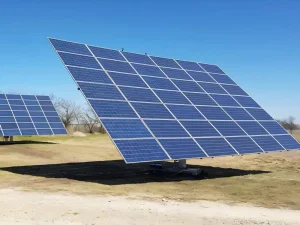
A dual-axis solar tracking system tracks the sun along both the azimuth (horizontal) and elevation (vertical) axes. This multi-axis movement ensures that the photovoltaic (PV) modules are perpetually oriented at the perpendicular angle of incidence (90°) relative to the incoming direct solar rays. By maximizing direct normal irradiance (DNI) interception, dual-axis systems represent the technological zenith for utility-scale solar generation, solar thermal systems, and concentrated photovoltaics (CPV).
However, operating a massive dual-axis array requires robust structural support and highly precise electrical drive controls. The structural foundation must withstand continuous torsional loads, aerodynamic flutter, and severe environmental stresses without experiencing material fatigue. That is why tier-1 tracking systems depend on high-quality, corrosion-resistant steel configurations.
Analyzing how the premium steel formulations from Create (Tianjin) Material Co., Ltd. ensure tracker stability and a 25-year structural design life.
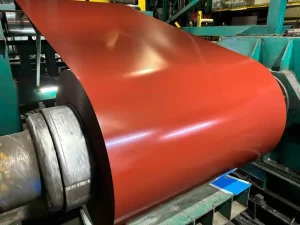
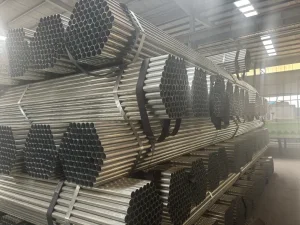
Using advanced Hot-Dip Galvanization and high-grade PPGI/PPGL coatings, our steel components achieve C5-M marine-grade corrosion resistance, capable of withstanding high-salinity coastal winds and desert humidity.
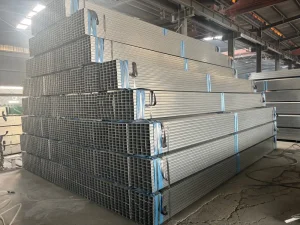
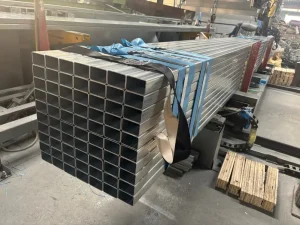
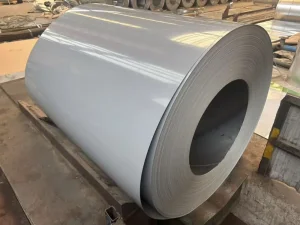
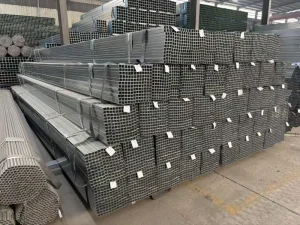
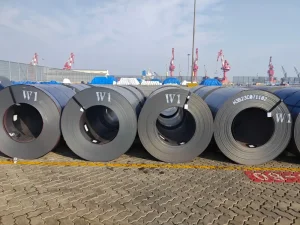
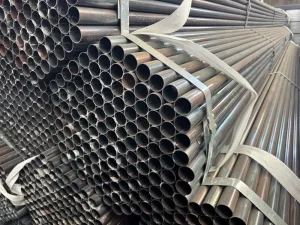
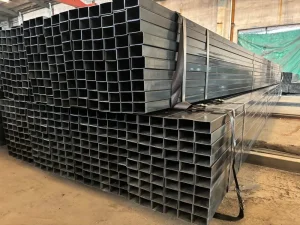
Constructed using ASTM-compliant Q235, Q235B, and Q345 grade steel coils and rectangular pipes, ensuring heavy-duty load capacity and structural rigidity under complex torsional and wind load dynamics.
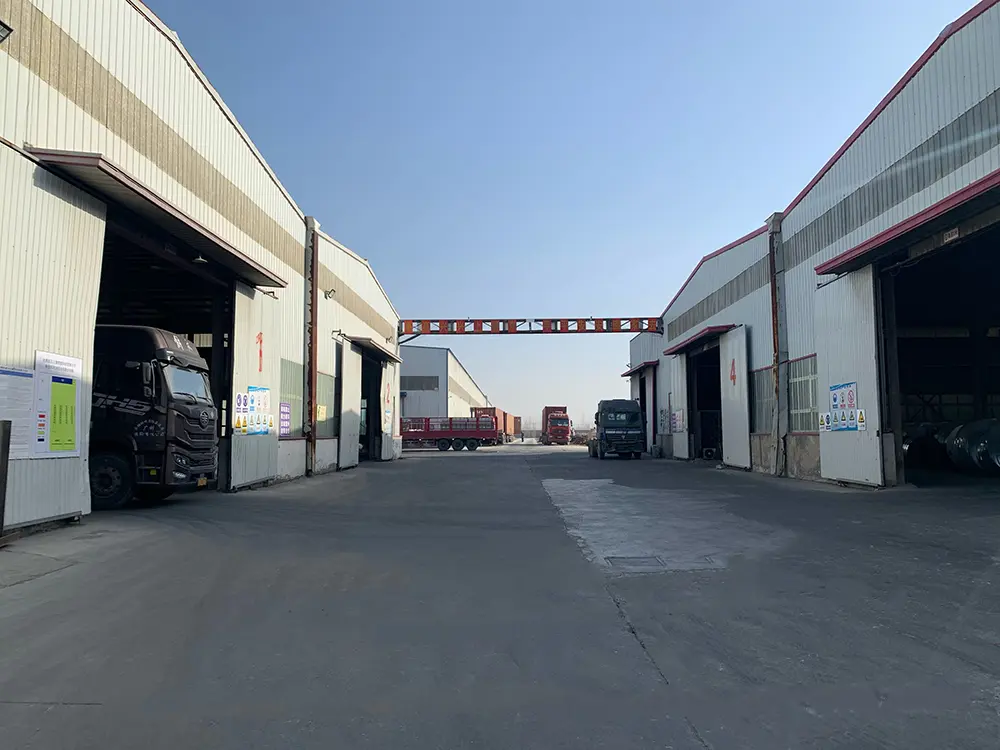
Equipped with highly flexible modern processing lines, we provide customized structural cuts, punching patterns, and dimensions that align with customized global tracking mechanics.
From astronomical algorithms to advanced hardware configuration, understanding the mechanical control loops.
Modern dual-axis controllers utilize a hybrid tracking methodology to ensure maximum effectiveness across all weather conditions. Under clear skies, the system relies on an Astronomical Ephemeris Algorithm, calculated using real-time GPS coordinates, time, and date. This algorithm computes the precise spatial coordinates of the sun (azimuth and elevation angle) with an accuracy of < 0.1°.
In overcast or highly diffuse light conditions, astronomical calculations alone can cause trackers to point directly at clouds. To counter this, our systems integrate a closed-loop photoelectric sensor feedback system. These optical sensors measure the quadrant intensity of sky brightness, allowing the controller to micro-adjust orientation to capture diffuse solar radiation, boosting generation even during heavy overcast periods.
The mechanical transmission of a dual-axis system must drive massive PV structures smoothly. We utilize two main configurations:
The biggest threat to massive tracking systems is wind-induced structural damage (such as torsional fluttering, galloping, and lock-in). Our steel frameworks are engineered with a high wind stowing threshold. In high winds, the system receives signals from the local anemometer array and automatically rotates the flat PV modules to the stowed, aerodynamic horizontal orientation (usually between 0° and 10°). This stowing process significantly reduces dynamic wind drag, protecting the underlying steel framework from damage.
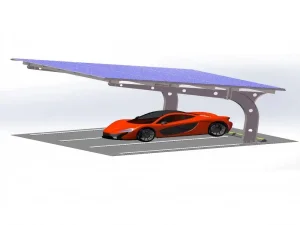
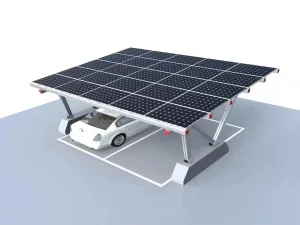
Explore our core selection of smart single-axis and dual-axis solar trackers, heavy-duty mount structures, and industrial carport brackets.
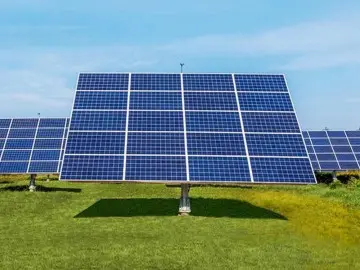
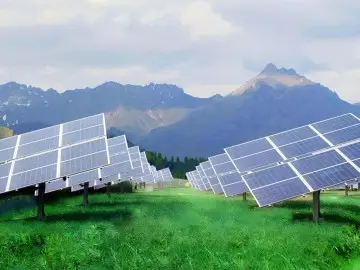
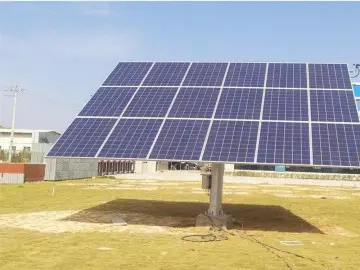
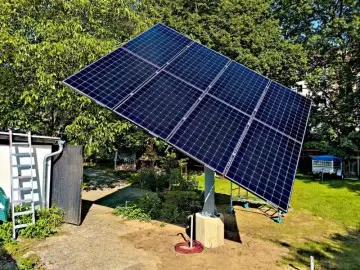
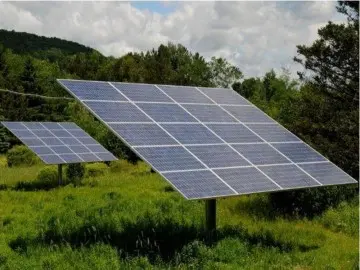
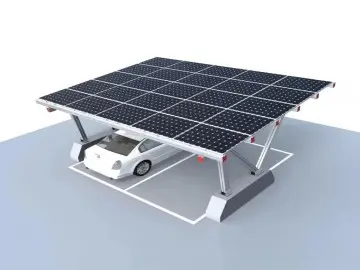
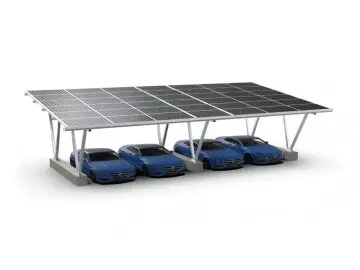
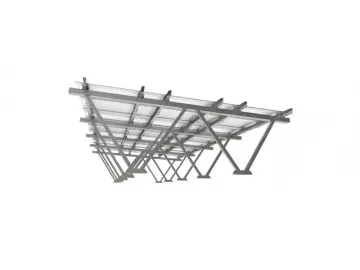
See how our premium structural materials are integrated into diverse global projects, from roofing installations to high-span agricultural greenhouses.
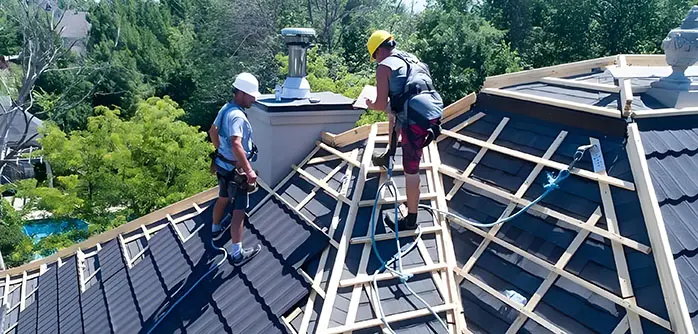
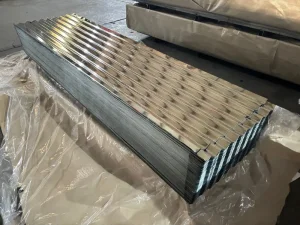
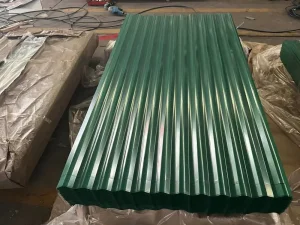
Deploying high-grade galvanized iron sheets and color-coated steel panels across commercial structures, offering superior load tolerance and weathering resistance.
View Case Studies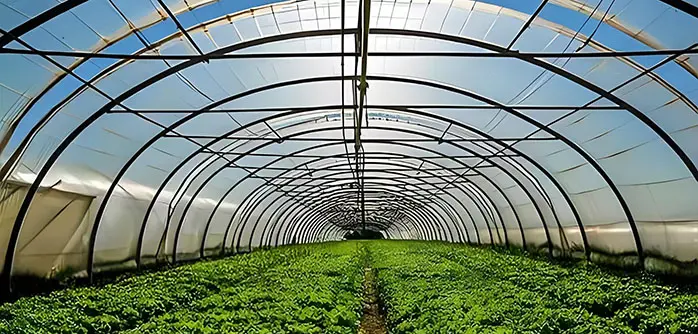
Hot-galvanized structures optimized for modern agricultural systems, withstanding humid indoor microclimates without rusting or degrading.
View Case Studies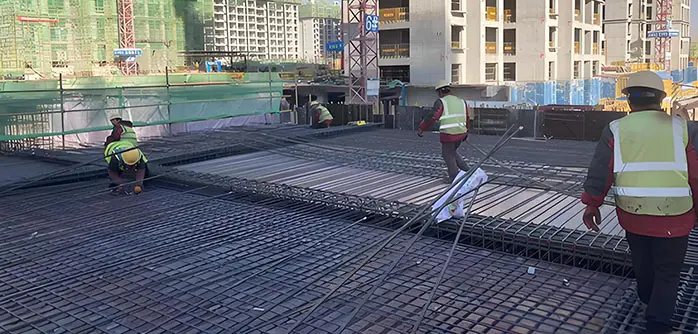
High-performance H-beams, C-channels, and rectangular hollow sections deployed in high-rise and industrial frame structures worldwide.
View Case StudiesAddressing compliance, local grid integration challenges, and logistics for large-scale utility deployments.
Procuring utility-grade tracking systems involves navigating dynamic raw material markets and demanding compliance landscapes. EPC (Engineering, Procurement, and Construction) contractors faces critical pain points: ensuring structural integrity over a 25-year lifespan, adapting to shifting local wind code requirements (such as ASCE 7-16 in North America or Eurocode 1 in Europe), and securing timely deliveries to avoid project delays.
Create (Tianjin) Material Co., Ltd. addresses these challenges by offering a robust vertical supply chain. As an established steel producer, we control the quality of the raw materials, from hot-rolled steel coils to galvanized structural tubes. By combining our raw material capabilities with tracking component manufacturing, we optimize procurement costs and ensure quality control at every stage of production.
Standard horizontal single-axis trackers work best on flat ground. When projects expand into irregular agricultural lands, deserts, or mountainous regions, dual-axis systems provide necessary flexibility. Because dual-axis systems rely on single-column pedestal footings, they require minimal grading work, reducing civil engineering costs and protecting natural topsoil.
Furthermore, in northern regions, dual-axis systems prevent snow buildup. Their controllers detect snow accumulation and position the panels vertically to dump the load, keeping the system active and producing power.
All solar steel structures and tracker parts are manufactured under strict international quality controls. Our production sites follow ISO 9001:2015 and ISO 14001:2015 standards. Our structural elements meet global steel specifications, including ASTM A36, A53, and ASTM A123 for hot-dip galvanizing, ensuring reliable corrosion protection and peace of mind for developers and investors.
Answers to key questions regarding structural design, tracker efficiency, and procurement logistics.
Dual-axis trackers maintain a constant 90° incident angle by tracking both the azimuth and elevation paths of the sun. This configuration generates up to 35% to 45% more energy output than fixed arrays and 15% to 22% more than single-axis trackers, depending on the latitude and local DNI levels.
We use high-grade carbon steel (Q235, Q345, ASTM A36) treated with heavy hot-dip galvanizing (complying with ASTM A123/ISO 1461 standards). This gives the steel structure C5-M marine-grade corrosion protection, offering a design life of over 25 years in harsh conditions like deserts or coastal sites.
The tracking controller connects to real-time wind sensors and temperature modules. In high-wind situations, the system triggers its wind stowing routine, rotating the panels to a flat horizontal position to minimize wind drag. To handle snow accumulation, the panels shift to a steep vertical position, allowing snow to slide off.
Yes. Create (Tianjin) operates advanced structural processing lines. We customize C-channels, H-beams, torque tubes, and support pipes to match the exact specifications, hole patterns, and galvanization thicknesses required for your tracker project.
Our facility is located in Tianjin, close to Tianjin Port, one of China's largest industrial shipping hubs. This location allows us to coordinate loading, customs clearance, and secure packing for international shipping, keeping transport costs competitive.
Partner with Create (Tianjin) Material Co., Ltd. for reliable solar trackers and structural steel. Contact our engineering team for customized drawings, steel grades, and pricing options.
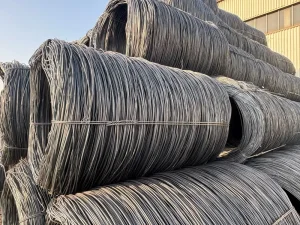
Send Inquiry NowAdditional ASTM/GB-compliant raw material profiles produced and exported by Create (Tianjin) for industrial and tracking installations.