 Create Material
Create Material
Create Material
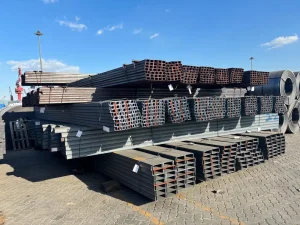
Decentralized Global Supply Chains & Engineered Structural Configurations for Extreme Structural Integrity
Discover our primary selection of heavy-duty industrial profiles manufactured in accordance with strict global engineering standards.
Founded in 2010, Create (Tianjin) Material Co., Ltd. has emerged as a premier manufacturer and high-volume exporter of specialized steel products. Over the past 15 years, we have strategically positioned ourselves as a cornerstone of the international steel supply chain, combining technical manufacturing prowess with a sophisticated global logistics network.
Our core operational methodology focuses on the dynamic interaction of structural optimization and grade formulation. By servicing key sectors in construction, transport, infrastructure engineering, and commercial real estate development, we have established robust foundations for complex projects worldwide.
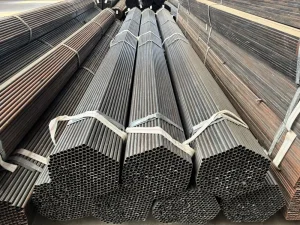
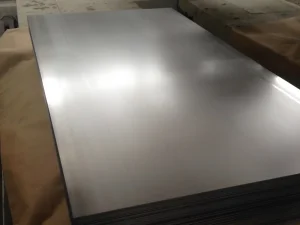
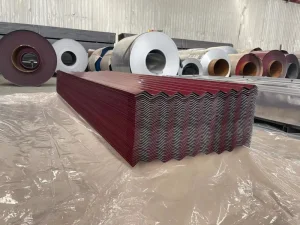
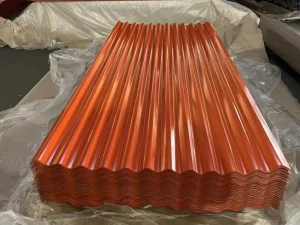
We offer an expansive range of high-grade steel solutions engineered to meet the rigorous demands of modern infrastructure, automotive manufacturing, and heavy industry. Our core competencies include:
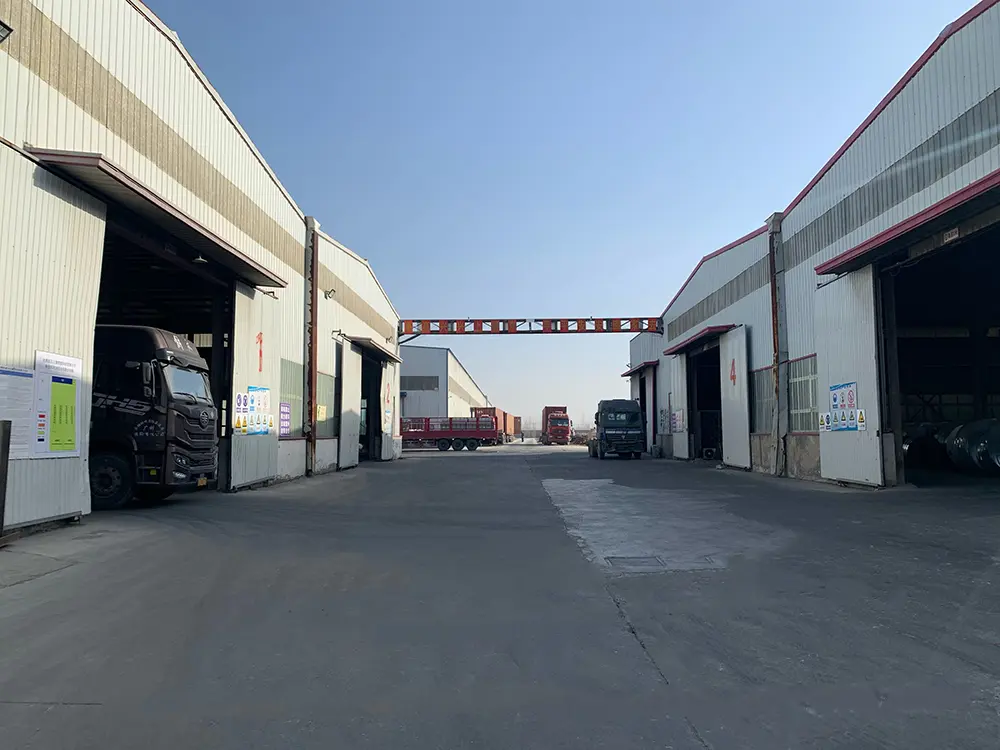
Quantifiable reliability, certified supply chains, and extensive manufacturing capacity.
At Create (Tianjin), our operations are governed by the dual pillars of Quality and Service. We recognize that in a volatile global market, our clients require more than just a supplier; they require a partner. To this end, we provide high-tier customized services, leveraging flexible production lines to meet bespoke technical specifications and unique project requirements.
We are acutely aware of the competitive landscape of the steel industry. To provide our partners with a distinct market advantage, we continuously optimize our production methodologies. By integrating advanced manufacturing technologies, we enhance structural integrity while simultaneously driving down operational costs—passing those savings directly to our customers through highly competitive pricing.
Trust is the foundation of our business. To ensure total peace of mind, we invite prospective partners to verify our quality through standardized sampling and trial orders. Furthermore, we maintain an "Open Door" policy, welcoming clients to visit our Tianjin facilities for on-site inspections at any time. Our ultimate objective is the cultivation of long-term, stable, and mutually beneficial alliances.
Comprehensive analysis of mechanical geometries, cross-section attributes, and load distributions under structural criteria.
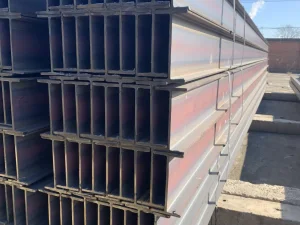
In structural steel engineering, the term "Poutres" refers broadly to structural steel beams, typically categorized into European standard formats such as IPE (European Flange Beams) and IPN (Standard European Beams). The fundamental differences between these two geometric forms lie in the shape and inclination of their flanges:
Choosing the correct profile configuration relies heavily on the moment of inertia along both the strong axis (X-X) and weak axis (Y-Y) to resist bending stress, buckling, and torsion.
| Profile Standard | Flange Geometry | Joint Assembly Ease | Primary Application Fields | Standard Grades |
|---|---|---|---|---|
| IPE (EN 10365) | Parallel Flange Surfaces | Excellent (standard bolting/welding) | Commercial framing, modular skids, solar platforms | S275JR / S355JR / Q345 |
| IPN (DIN 1025-1) | Tapered Flange (14% slope) | Moderate (requires tapered washers) | Heavy gantry cranes, heavy equipment chassis | S275JR / S355JR |
| HEA / HEB (EN 10365) | Wide Flange Profile | Excellent | High-load columns, foundations, civil engineering | S355JR / S355J2 |
Across the globe, infrastructural requirements differ based on local seismic conditions, weather loads, and code compliance. High-grade I-beams are crucial components within these diverse sectors:
Sourcing I-beams and structural profiles directly from Tianjin, China's central steel manufacturing cluster, provides several key strategic advantages:
Understanding geopolitical compliance, green steel requirements, and strategic procurement frameworks.
Decarbonization is reshaping the structural steel landscape. Leading production centers are adopting Electric Arc Furnace (EAF) technologies powered by renewable energy sources, resulting in structural beams with significantly lower embedded carbon footprints. This shift helps international developers meet strict localized Environmental Product Declaration (EPD) mandates.
Modern global logistics demand total transparency. Every structural steel shipment must be backed by comprehensive Mill Test Certificates (MTCs) conforming to EN 10204 3.1 or 3.2. Ensuring strict heat number traceabilities helps engineering and contracting firms maintain compliance with national construction oversight bodies.
Mitigating delays in large-scale structural assembly projects requires precise logistics integration. Leveraging regional maritime hubs—such as the Port of Tianjin—enables efficient consolidation of flat steel, structural beams, and piping. This strategic positioning optimizes shipping timelines and reduces transshipment handling costs.
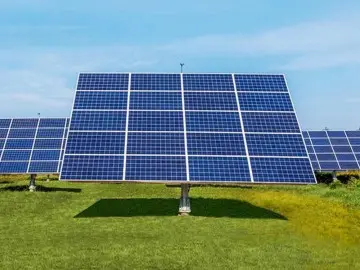
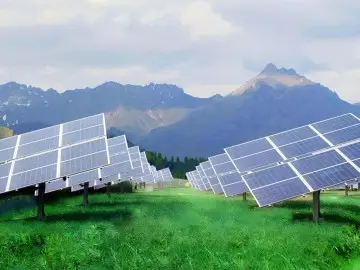
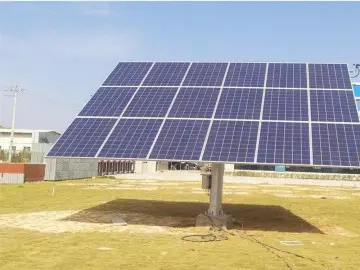
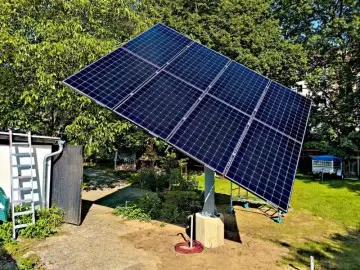
Highly stable, customizable solar tracker profiles for utility-scale energy projects worldwide.
Authoritative answers on carbon steel structural profiles, manufacturing capabilities, and global procurement procedures.
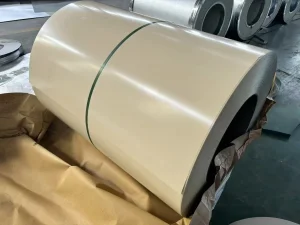
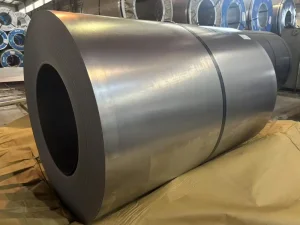
An extensive selection of heavy sheets, structural bar components, and custom-rolled items for engineering projects.
Evaluating material options for an upcoming project? Connect with our technical support team to request detailed structural calculations, standard factory profiles, or a custom quotation.
Request Engineering Proposal