 Create Material
Create Material
Create Material
Premium raw structural items and high-capacity export solutions for global infrastructure developers.
As commercial and industrial (C&I) entities accelerate transitions to sustainable energy infrastructures, the optimization of roof space asset management has become critical. In metropolitan commercial environments, flat roofs represent untapped spaces for high-yield photovolatic mounting systems. Historically, standard PV structures relied on deep roof penetrations. However, modern engineering developments favor solar panel ballast systems. These non-penetrative mounting configurations secure solar arrays by using calculated dead weight (often reinforced concrete blocks) paired with high-performance wind deflectors. This setup protects the building's envelope and avoids structural water ingress, structural degradation, and manufacturer warranty cancellations.
Operating in C&I solar arrays requires an understanding of fluid dynamics, wind-tunnel analytics, and metallurgy. Global EPC (Engineering, Procurement, and Construction) companies must address local wind dynamics, wind shear, snow load requirements, and seismic activity. Ballasted racking relies on weight distribution, using aerodynamic deflectors to turn wind forces into downforce. This allows engineers to safely reduce the required structural ballast load while keeping the racking stable, protecting the roof's structural limits.
A Decade of Excellence in Global Steel Solutions
Founded in 2010, Create (Tianjin) Material Co., Ltd. has emerged as a premier manufacturer and high-volume exporter of specialized steel products. Over the past 15 years, we have strategically positioned ourselves as a cornerstone of the international steel supply chain, combining technical manufacturing prowess with a sophisticated global logistics network.
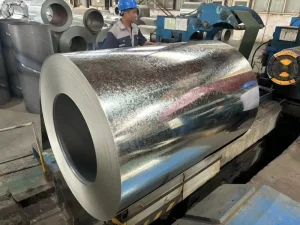
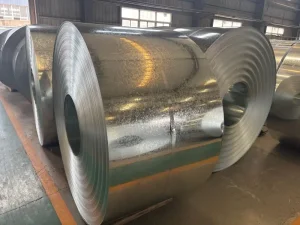
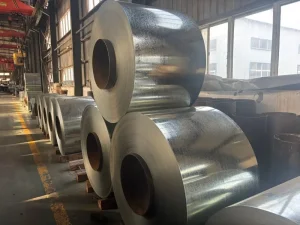
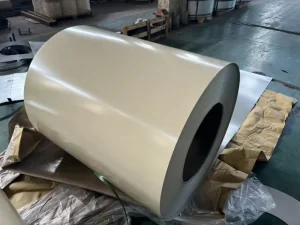
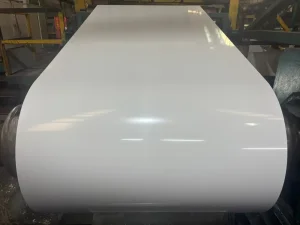
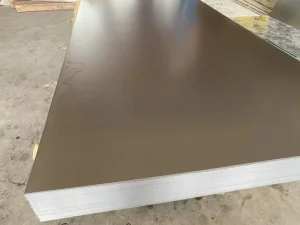
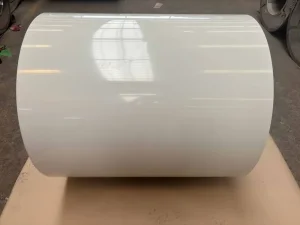
Our structural profile manufacturing systems are integrated with solar mounting engineering. This setup ensures that from raw hot-dipped galvanized steel coil fabrication down to customized high-load solar panel ballast mounts, we maintain tight control over design parameters and structural safety certifications.
The service life of solar ballast racking must match the 25-to-30-year operational expectancy of modern photovoltaic modules. Creating structures capable of resisting long-term weathering requires strict compliance with international structural standards (e.g., ASCE 7-16, Eurocode 3, DIN 1055). Material choice plays a critical role here. Heavy industrial regions choose Zn-Al-Mg (Zinc-Aluminum-Magnesium) alloy coatings, while standard configurations rely on high-durability hot-dip galvanized steel (e.g., Z275, Z600 coatings) or marine-grade anodized aluminum (6005-T5).
Zn-Al-Mg coatings self-heal cut edges, preventing red rust in C5 high-salinity coastal environments.
Zero-penetration configurations eliminate structural leaks, preserving the building's roof warranty.
Integrated wind deflectors reduce structural load requirements by converting wind energy into stabilizing downforce.
Modern racking systems must account for complex rooftop wind dynamics. Wind flowing over flat rooftops creates local low-pressure areas and high uplift forces, particularly at the roof's corners and edges. A well-engineered ballast system uses wind tunnel validation (such as RWDI testing) to determine the exact drag and lift coefficients for specific building geometries.
By designing modular wind deflectors at the rear and sides of the solar racking, engineers can direct airflow around the structure rather than letting it get trapped beneath. This reduces lift forces, allowing developers to use less concrete ballast block weight. This design avoids overloading older commercial roofs that have limited load-bearing capacity.
Racking designs must adapt to regional weather patterns to ensure long-term stability and system safety:
| Parameters | Aluminum Alloy Ballasted System (AL6005-T5) | Galvanized Steel Ballasted System (Q235/Q355) |
|---|---|---|
| Module Type | Framed or Frameless PV Modules | Framed / Bi-facial High-Power Modules |
| Tilt Angle Options | 5°, 10°, 15°, 20° Customizable | 5° to 30° Customized Adjustments |
| Corrosion Protection | Anodized Film Thickness ≥10μm | Hot-Dip Galvanized Average ≥80μm |
| Maximum Wind Load | Up to 60 m/s (Wind Tunnel Validated) | Up to 65 m/s (Structural Reinforcement) |
| Roof Slope Limit | Up to 5 degrees | Up to 10 degrees |
Create (Tianjin) Material Co., Ltd. operates with certified manufacturing systems matching international standards.
Leveraging deep industrial clusters to deliver cost-effective and structurally reliable solar mounting components.
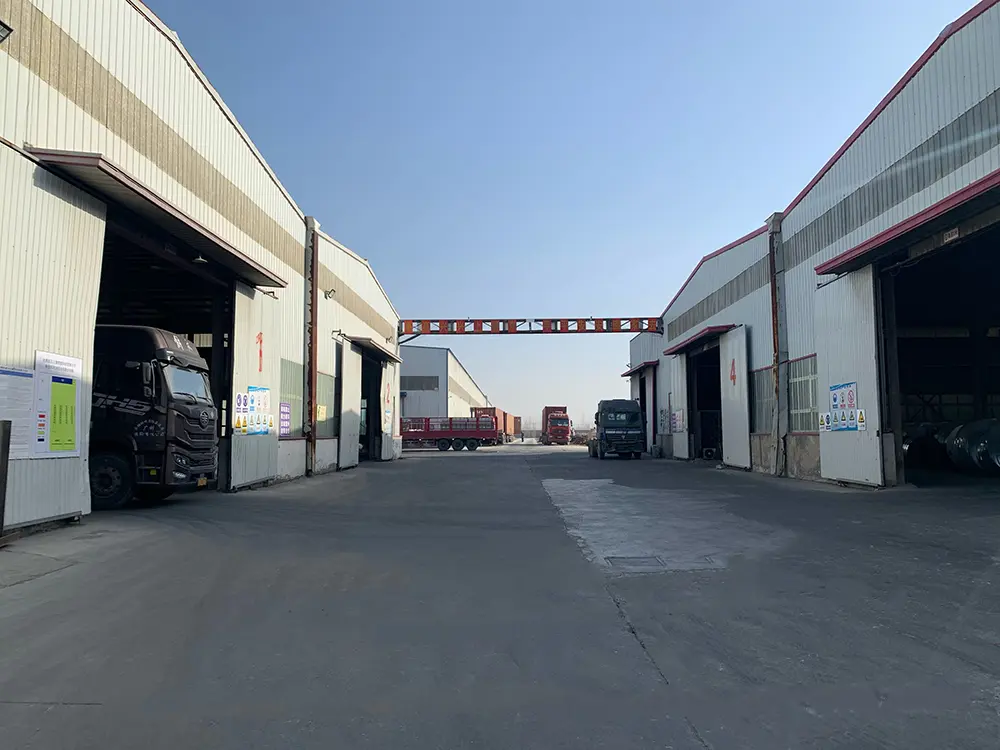
The efficiency of Chinese steel production is built on integrated industrial clusters, advanced automation, and vertical supply chains. Our production facilities, located near the Port of Tianjin, provide direct access to premium-grade hot-dip galvanized and cold-rolled steel coils. This proximity minimizes transport costs and ensures consistent material supply. With automated roll-forming systems, laser cutting equipment, and robotic welding stations, we maintain tight dimensional tolerances across high-volume production runs, ensuring consistency for large-scale solar project components.
By controlling the manufacturing process from raw steel processing to final component fabrication, we can customize mounting designs for specific projects. Whether an engineering plan requires adjustments to steel thickness, layout configurations, or specialized corrosion-resistant coatings, our engineers can adapt production setups to meet complex project specifications without causing delivery delays.
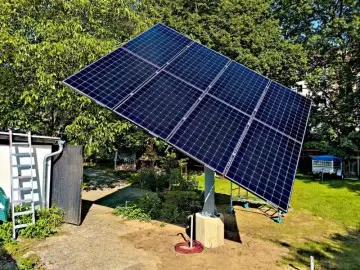
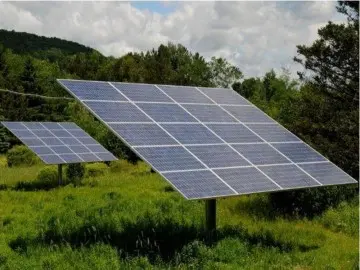
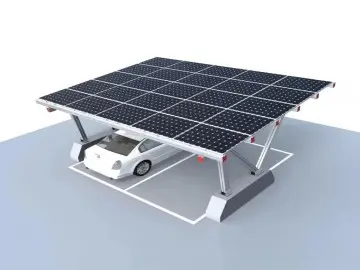
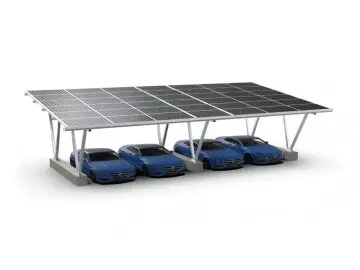
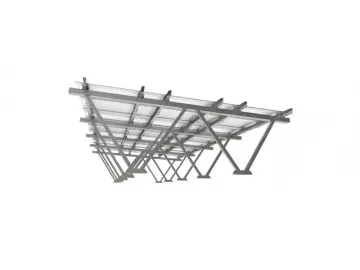
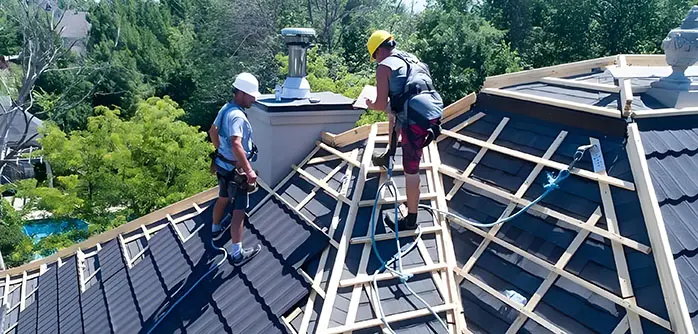
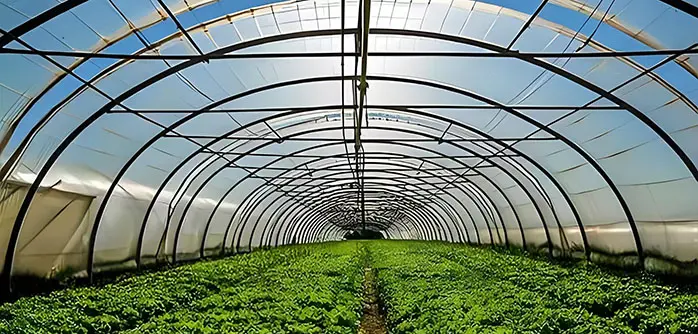
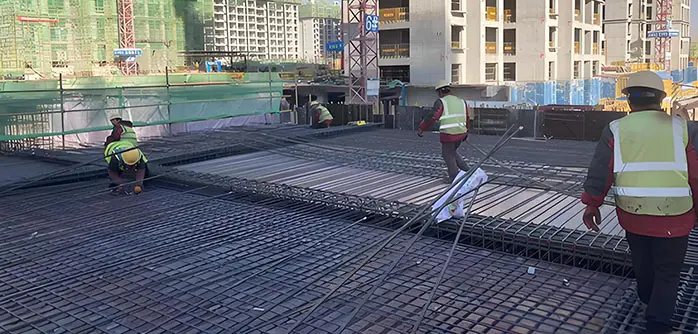
Key quality benchmarks and engineering evaluations for sourcing flat roof ballasted systems.
Procurement managers managing large-scale solar projects prioritize safety, compliance, and cost-efficiency. Selecting a solar panel ballast system supplier requires evaluating criteria beyond basic unit cost:
Verify that components comply with international quality management certifications and safety regulations. These certifications verify that the supplier's materials have undergone testing for structural performance under varying loads.
Ensure the supplier provides wind tunnel test documentation. This validation helps engineers optimize ballast weight distribution, avoiding excessive roof loading while keeping the installation secure during high-wind events.
For systems in high-humidity or industrial zones, confirm the use of high-thickness hot-dip galvanized steel (e.g., Z275) or specialty zinc-aluminum-magnesium coatings to protect structural components from corrosion.
The solar racking market is shifting toward lighter-weight systems with higher structural yields. High-strength structural steel allows manufacturers to reduce component thickness and weight while keeping the required structural rigidity. At the same time, the wider adoption of bifacial solar modules has changed racking design priorities. Newer mounting systems are engineered to minimize rear shading, allowing more reflected light to reach the back of the panel and maximizing total energy generation.
Expert answers addressing the structural, metallurgical, and design questions of solar ballast systems.
Non-penetrative ballast systems secure the PV array using structural weight and aerodynamic wind deflectors instead of anchor penetrations. This layout preserves the roof membrane, avoids leaks, and maintains the building's structural warranty, while simplifying decommission or upgrade processes.
Wind deflectors direct airflow over and around the PV array, reducing the pressure differential that creates uplift. This aerodynamic design lowers the vertical lift forces, allowing engineers to reduce the concrete ballast weight required to keep the system stable.
For coastal or high-salinity areas, Zinc-Aluminum-Magnesium (Zn-Al-Mg) or heavy hot-dip galvanized coatings (Z600) are recommended. These coatings provide barrier protection and self-healing properties that resist corrosion along cut edges and installation holes.
Protective EPDM or rubber buffer pads are installed between the metal racking structure and the roofing membrane. These pads prevent direct contact, reduce mechanical friction from thermal expansion, and maintain the integrity of the waterproofing layer.
Systems are designed in compliance with local structural building codes. Key standards include ASCE 7-16 in the US, Eurocode 3 (EN 1993) in Europe, and AS/NZS 1170.2 in Australia, which define calculations for wind loads, snow loads, and material stress.
Get in touch with our engineering team to receive structural calculations, customized design options, and product samples for your next project.
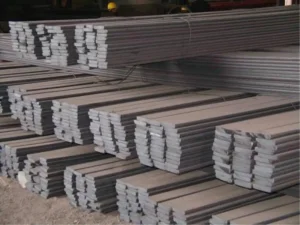
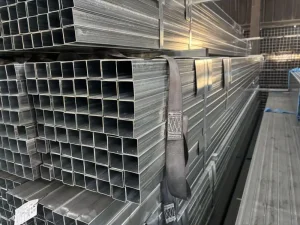
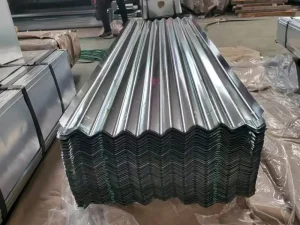
Heavy structural components and specialized steel accessories for commercial construction projects.