 Create Material
Create Material
Create Material
Engineered infrastructure components crucial for high-durability residential solar mounting and construction structures.
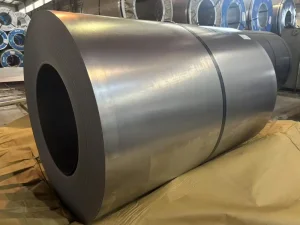
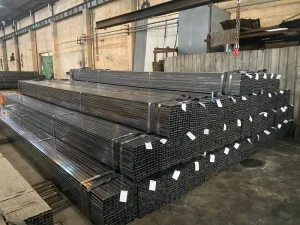
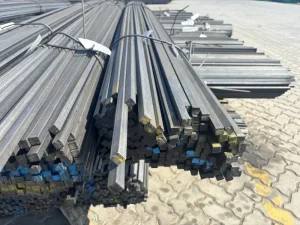
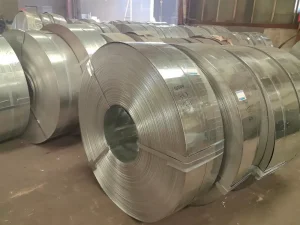
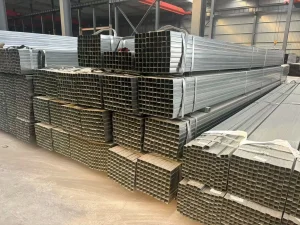
In the wake of rapid global decarbonization initiatives, residential solar systems have transitioned from niche environmental choices to core infrastructure components. Homeowners and EPC (Engineering, Procurement, and Construction) firms demand solar integration solutions that guarantee 25+ years of operational durability under diverse climatic stressors. Securing a reliable supply chain requires selecting an exporter capable of bridging advanced metallurgical engineering with cutting-edge photovoltaic component manufacturing.
Create (Tianjin) Material Co., Ltd. stands at this strategic intersection. Founded in 2010, the company leverages a 15-year footprint in high-end structural steel, galvanized solutions, and customized mechanical frameworks to supply global markets with structural foundations for solar applications. In residential PV design, the structural framework (mounts, trackers, and frames) represents the skeletal integrity of the energy plant. By aligning domestic Chinese structural capacity with global photovoltaic standards, we deliver robust systems designed to resist heavy wind loads, corrosion, and structural fatigue.
A solar panel is only as reliable as its supporting infrastructure. Utilizing premium structural components—including hot-rolled alloy sheets, zinc-aluminum-magnesium coatings, and customized structural steel channel profiles—ensures that the residential energy installation remains structurally sound and functionally optimized across decades of outdoor exposure.
Why do leading developers prioritize Chinese exporters for residential solar integration? The answer lies in the structural, metallurgical, and systemic advantages native to China's industrial hubs:
From primary iron ore processing and advanced galvanizing technologies to mechanical extrusion of solar brackets and PV tracker controls, China houses the entire value chain in tight geographical clusters like Tianjin and Hebei. This reduces transit times and intermediate costs.
We leverage industrial standards including ASTM, JIS, and EN. Utilizing structural steel options such as Q235, Q355, and customized high-strength alloys allows manufacturers to build lightweight yet highly resilient solar framing structures, lowering overall LCOE (Levelized Cost of Energy).
Chinese factories specialize in handling massive volume orders while remaining highly adaptable to customized needs. Whether executing complex OEM patterns for single-axis tracking systems or manufacturing unique heavy-duty carport frameworks, flexible production capacities accommodate custom project sizes.
Purchasing components for home solar systems involves careful coordination of structural calculations, anti-corrosion metrics, and global shipping variables. Structural failures in solar systems are rarely caused by failures of the silicon cells themselves; instead, they are usually caused by corrosion of the mounting channels, failure of the attachment brackets under wind shear, or localized deformation of structural beams.
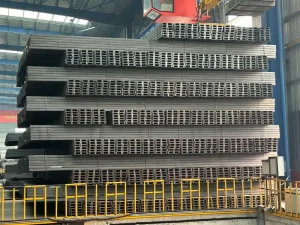
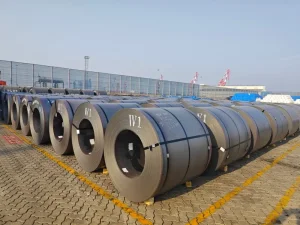
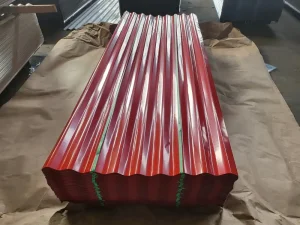
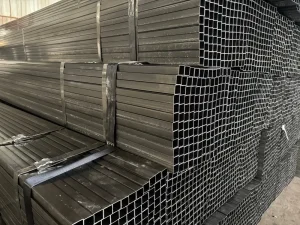
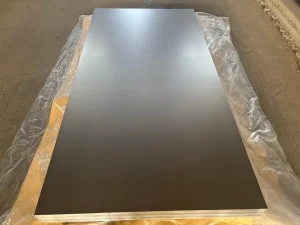
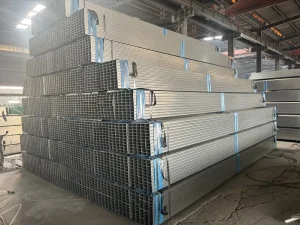
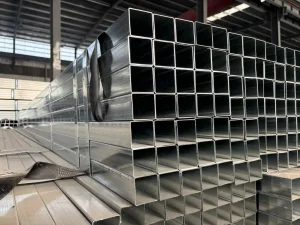
Create (Tianjin) Material Co., Ltd. addresses these risks by providing robust steel solutions that serve as the foundation of secure solar installations. Our flat-rolled products, structural U-channels, square rods, and prepainted corrugated sheets are engineered to resist outdoor stressors in diverse climates, including maritime, desert, industrial, and high-altitude locations. By offering these base materials alongside advanced solar mounting products, we provide a unified supply pipeline that guarantees structural compatibility and material consistency.
To reduce operational costs and construction timelines, global procurement agents are moving away from piecemeal sourcing. An integrated structural package includes:
Smart solar tracking systems, structural solar carports, and terrain-adaptable mounts designed to optimize PV generation.
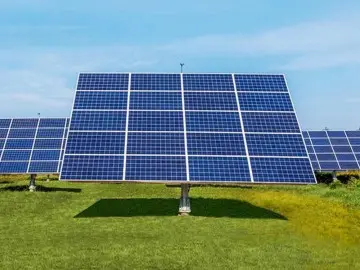
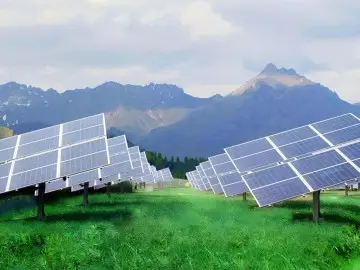
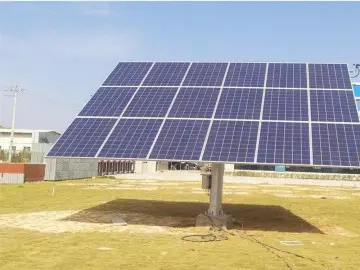
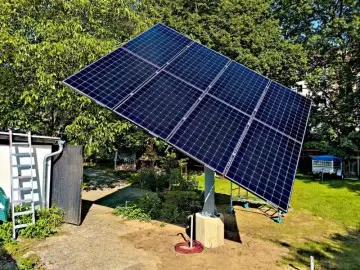
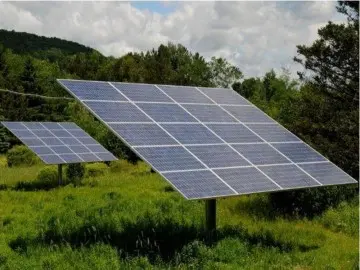
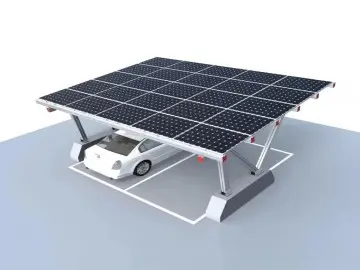
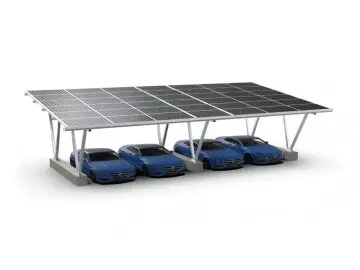
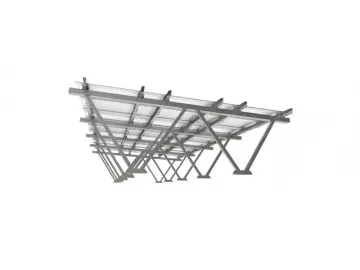
Solar arrays operate under unique stress factors depending on their geographic installation site. Engineering customized mounting structures ensures long-term physical stability and minimizes potential installation defects.
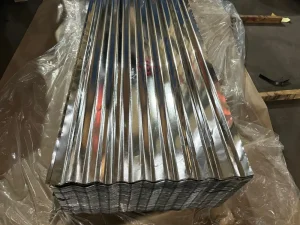
Residential roofs rely on high-durability roofing sheets. Our colored corrugated PPGI and galvanized steel sheets function as a reliable roof skin while acting as the base structure for lightweight aluminum solar brackets. This design maintains roof waterproofing while ensuring even distribution of static wind and snow loads.
Modern commercial agricultural greenhouses integrate structural steel tubing with elevated solar panels. Our pre-galvanized pipes and U-channels provide high load-bearing capacities without obstructing structural light pathways, supporting greenhouse microclimates alongside residential clean energy production.
High-altitude or cold-latitude areas require solar mounting racks with high snow-load ratings. In coastal regions, systems require high resistance to saltwater corrosion. Using heavy-duty dual-axis trackers constructed from thick hot-dip galvanized structural profiles ensures that your solar assets withstand these challenging environmental conditions.
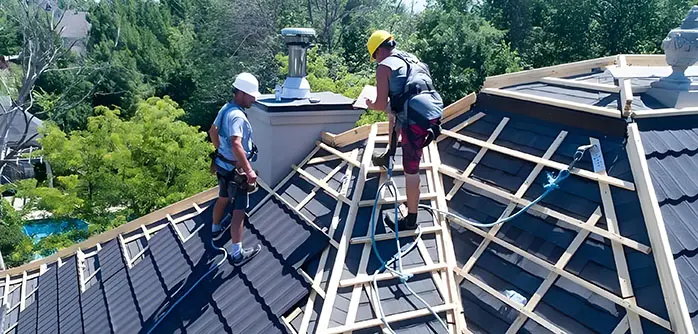
Optimized flat and pitched roof mount structures utilizing premium PPGI profiles.
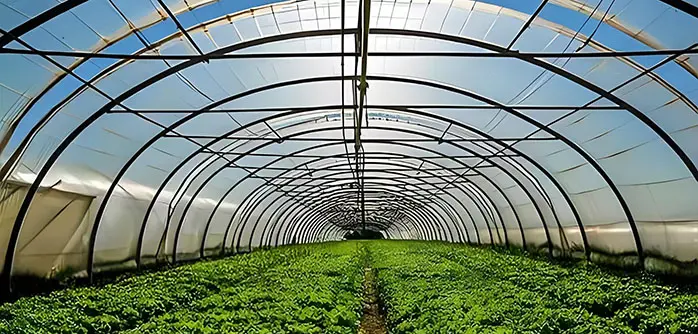
Integrating solar power generation with automated, large-scale greenhouse frameworks.
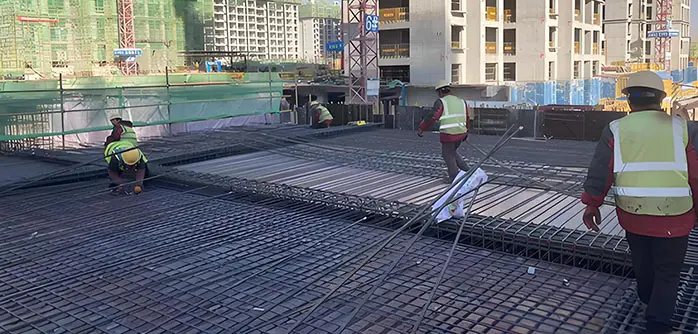
Heavy-duty structural configurations designed for long-span commercial and residential applications.
For international procurement managers, verifying the mechanical credentials of your Chinese manufacturer is critical to minimizing project risk. Keep the following technical standards in mind:
1. Verify Steel Chemistry & Tensile Performance: Ensure the supplier provides Mill Test Certificates (MTC) matching standard designations like Q235B, Q355B, or high-tensile structural grades. This confirms load capacity under peak environmental stress.
2. Corrosion-Resistant Coatings: For coastal or humid climates, verify zinc coating weight designations (e.g., Z275, AZ150, or modern zinc-aluminum-magnesium options) to guarantee structural durability for the system's planned lifecycle.
3. Dimensional Precision: Solar arrays require exact dimensional matching for structural mounts. Confirm tolerance compliance with international standards (such as EN 10025 or ASTM A6) to prevent installation delays.
Create (Tianjin) Material Co., Ltd. maintains strict compliance protocols. We welcome pre-shipment inspections from international testing agencies (SGS, Bureau Veritas) and offer custom manufacturing options to match local wind and snow loads. This engineering-first focus minimizes on-site assembly challenges for your construction crews.
The structural steel framework holds the solar panels in position. If the mounting system sags, twists, or corrodes under wind or snow loads, it can bend the solar modules, micro-crack the silicon wafers, or cause electrical faults. Using structural steel like ASTM A512 or Q235 ensures the array remains stable for its designed 25-year service life.
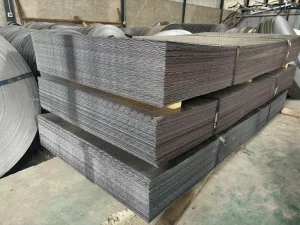
Hot-rolled steel is often selected for primary heavy-duty columns, long-span rafters, and structural base channels due to its cost efficiency and ease of manufacture in thicker profiles. Cold-rolled steel offers tighter dimensional tolerances, a cleaner surface finish, and higher yield strength, making it ideal for precision tracking components, gears, and structural brackets.
Zinc-aluminum-magnesium coatings offer self-healing properties on cut edges, superior scratch resistance, and higher corrosion protection per micrometer compared to hot-dip galvanization. While both protect against rust, zinc-aluminum-magnesium is highly recommended for coastal, industrial, or agricultural zones with high ammonia or salt exposure.
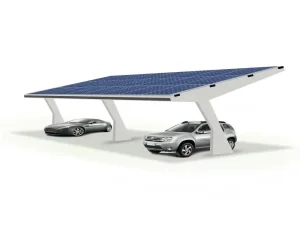
Solar carports maximize utility by turning vehicle parking areas into clean energy generation zones. They shade vehicles from solar heat and protect them from weather while using the roof structure to mount solar modules. This is an efficient space-saving option for properties with limited roof area.
Yes. Modern solar trackers feature automated wind protection algorithms. When wind speeds exceed preset limits, the control system flat-positions the panels into a stow angle to minimize wind resistance. Heavy-duty structural tubes and dampers absorb mechanical loads, protecting the tracking mechanics from damage.
Sourcing both from a single supplier ensures consistent raw material quality and simplifies coordination. It guarantees that custom brackets match the chemical and physical characteristics of your structural beams, preventing galvanic corrosion issues and reducing shipping and customs paperwork.
We implement a strict quality control workflow including chemical composition testing, tensile and yield testing, and dimensional inspection. We provide complete Mill Test Certificates (MTC) and invite third-party inspection firms (SGS, BV) to audit materials prior to maritime shipment.
Engineered structural channels, beams, and carbon steel profiles supporting international construction standards.
Ready to secure your project's metal and structural components? Let's discuss your specification requirements, verify physical sample availability, and plan a custom production schedule.
SEND INQUIRY NOW