 Create Material
Create Material
Create Material
High-capacity photovoltaic generators and rugged structural mounting bases built to withstand extreme marine conditions.
Kiribati, situated dynamically in the central Pacific Ocean, represents one of the most geographically isolated and environmentally vulnerable nations on Earth. Composed of 33 low-lying atolls and reef islands dispersed over an expansive maritime exclusive economic zone of 3.5 million square kilometers, Kiribati faces existential threats from global climate change. High dependency on expensive imported diesel fuel has historically burdened the national economy, with retail electricity costs among the highest globally. Consequently, the transition to decentralized solar power systems is not merely an environmental objective, but an absolute structural and economic necessity.
Deploying solar PV infrastructure in this equatorial region brings strict technical demands. The equatorial air is highly saturated with chloride ions (sea salt spray), and humidity levels constantly hover between 75% and 90%. Under ISO 12944 standardizations, the entire territory of Kiribati is classified under the C5-M (Marine Corrosion) category. Standard industrial solar brackets, steel configurations, and low-grade PV framing will yield to galvanic corrosion and mechanical failure within 18 to 36 months of field exposure. Therefore, solar engineering projects targeting South Tarawa, Kiritimati, or the Outer Islands must adopt high-tier, specialized solar products with advanced protective treatments.
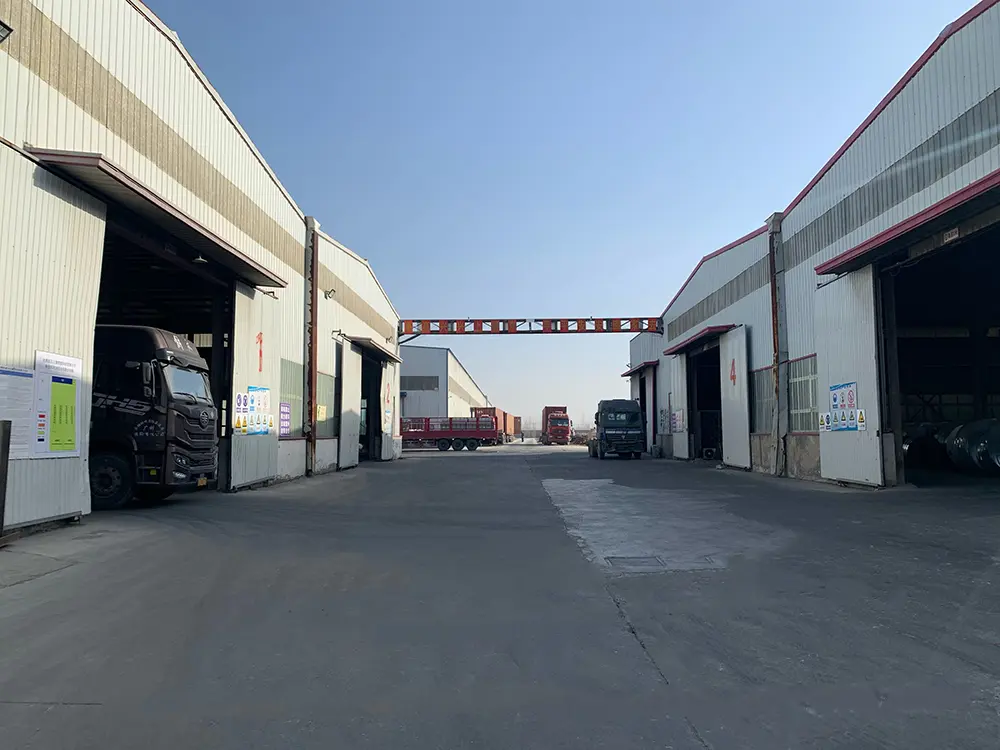
Founded in 2010, Create (Tianjin) Material Co., Ltd. has emerged as a premier manufacturer and high-volume exporter of specialized steel products. Over the past 15 years, we have strategically positioned ourselves as a cornerstone of the international steel supply chain, combining technical manufacturing prowess with a sophisticated global logistics network. Our core manufacturing capabilities ensure that the structural components of our solar products meet the highest durability benchmarks.
Our expansive range of high-grade steel solutions is engineered to meet the rigorous demands of modern infrastructure, automotive manufacturing, and heavy industry. Our core competencies include:
At Create (Tianjin), our operations are governed by the dual pillars of Quality and Service. We recognize that in a volatile global market, our clients require more than just a supplier; they require a partner. To this end, we provide high-tier customized services, leveraging flexible production lines to meet bespoke technical specifications and unique project requirements.
We are acutely aware of the competitive landscape of the steel industry. To provide our partners with a distinct market advantage, we continuously optimize our production methodologies. By integrating advanced manufacturing technologies, we enhance structural integrity while simultaneously driving down operational costs—passing those savings directly to our customers through highly competitive pricing.
Trust is the foundation of our business. To ensure total peace of mind, we invite prospective partners to verify our quality through standardized sampling and trial orders. Furthermore, we maintain an "Open Door" policy, welcoming clients to visit our Tianjin facilities for on-site inspections at any time. Our ultimate objective is the cultivation of long-term, stable, and mutually beneficial alliances that drive collective success in the global marketplace.
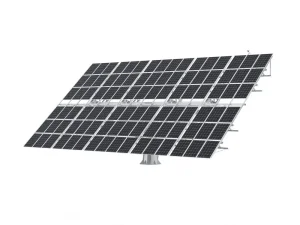
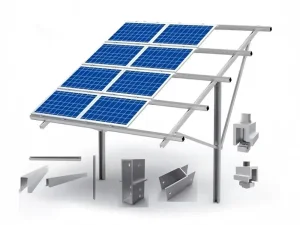
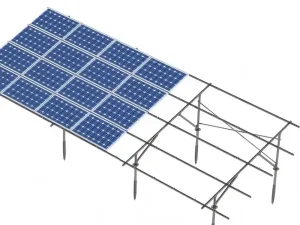
High-durability solar mounting brackets, single-axis trackers, dual-axis trackers, and modular structural profiles designed for rapid installation and long-term durability in saline atoll soils.
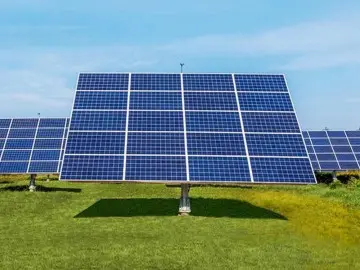
Equipped with high-precision astronomical algorithms to maximize real-time solar irradiation capture in equatorial latitudes.
Send Inquiry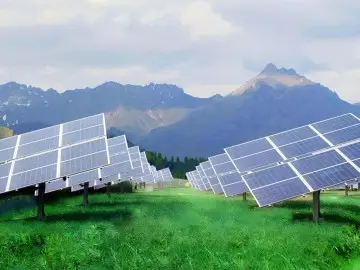
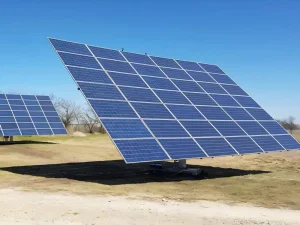
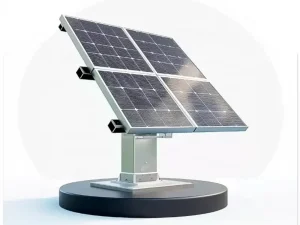
Features robust heavy-duty Slewing Drives and robust control systems capable of aligning PV modules exactly to the solar path.
Send Inquiry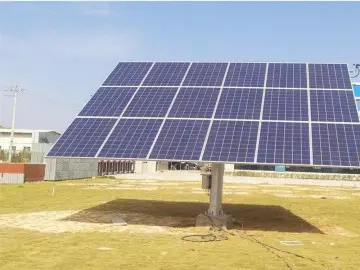
Manufactured from AL6005-T5 anodized aluminum, optimizing corrosion protection and reducing structural weight.
Send Inquiry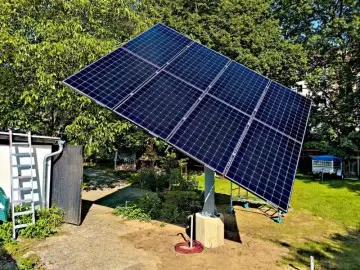
Flexible link architecture allows adaptation to slopes and uneven surfaces without extensive land excavation.
Send Inquiry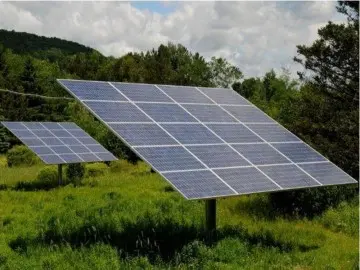
Reinforced structural members using hot-dip galvanized steel Q355B to sustain mechanical integrity in heavy weather.
Send Inquiry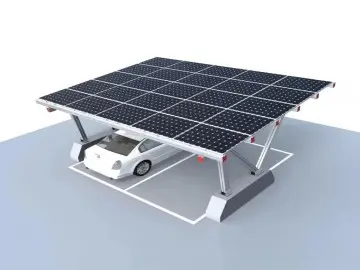
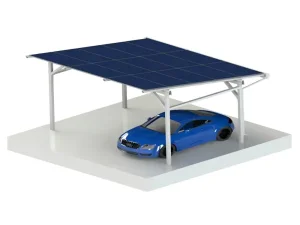
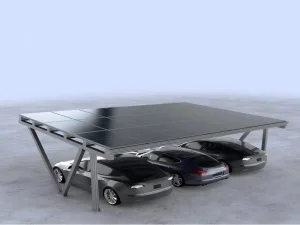
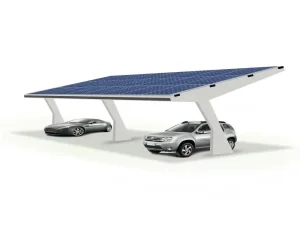
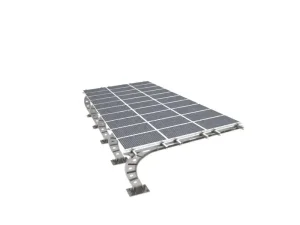
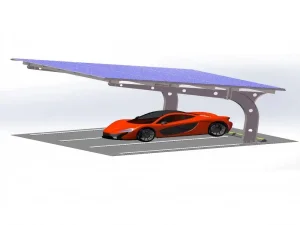
Dual-purpose structure offering weather protection for vehicles while generating high power outputs.
Send Inquiry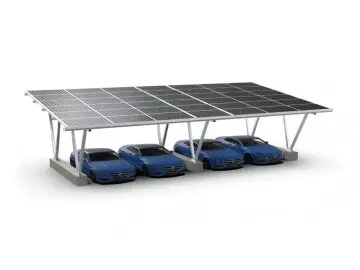
Engineered with prefabricated segments for quick structural assembly with minimized heavy machinery requirements.
Send Inquiry
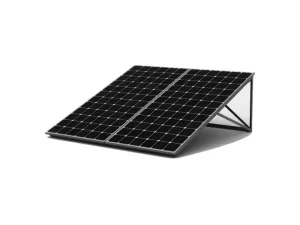
Designed with maximum load capabilities, serving as an exceptional structural foundation for extreme environments.
Send InquiryDeploying solar tracking arrays and structural modules in Kiribati's extreme saline environment requires highly specialized metal coatings and module architectures. As a division of Create (Tianjin) Material Co., Ltd., we apply advanced material science to prevent electrochemical corrosion and maximize performance. Under high humidity conditions, standard carbon steel experiences oxidation rates five times higher than in inland zones.
Our structures utilize Hot-Dip Galvanized (HDG) Steel processed to comply with ASTM A123 standards. By immersing fabricated profiles (C-channels, H-beams, and structural angles) into a zinc bath at 450°C, we form a multi-layered zinc-iron alloy coating with thickness exceeding 85 microns. This coating provides cathodic protection, acting as a sacrificial anode to protect the core steel even if physical damage occurs. Furthermore, for our lightweight tracking frameworks, we implement high-grade anodized aluminum alloy (AL6005-T5/T6) with an anodizing layer thickness class of AA15 (15μm minimum), providing outstanding salt-mist, humidity, and abrasion resistance.
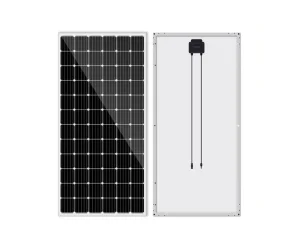
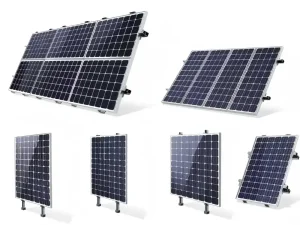
The integration of advanced solar modules is crucial to mitigating efficiency drops caused by equatorial heat. Standard P-type monocrystalline PERC solar panels lose a significant percentage of their output as operational temperatures climb. To counter this thermal penalty, our high-power monocrystalline series (ranging from 600W to 715W) leverages N-type Tunnel Oxide Passivated Contact (TOPCon) technology.
N-Type TOPCon cells exhibit a lower temperature coefficient of -0.30%/°C, compared to PERC's -0.35%/°C. This difference ensures higher daily power generation under tropical conditions. Additionally, our panels utilize a Bifacial Double-Glass design. In coastal environments, sandy soils and seawater create high albedo (solar reflection). Bifacial panels capture light from both sides, increasing energy generation by up to 10-25% depending on the surface albedo, significantly improving the economic performance of solar installations in South Tarawa and Kiritimati.
Maximize yield and safeguard asset value with our highly engineered structural configurations.
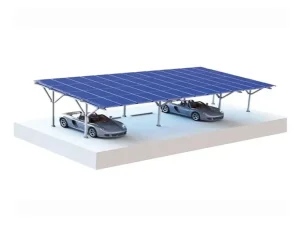
Discover how our high-durability materials and solar configurations perform in real-world coastal installations.
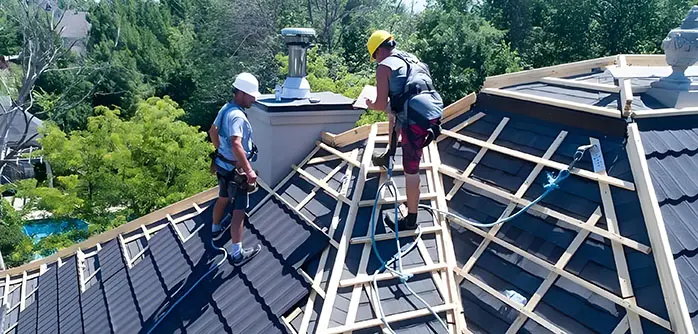
Supplied over 50,000 square meters of high-durability prepainted galvanized steel roofing sheet matching high-strength L-feet mounting clamps. This system provides critical weather protection for public houses while serving as a secure mounting base for solar panel installations in South Tarawa.
View Project Details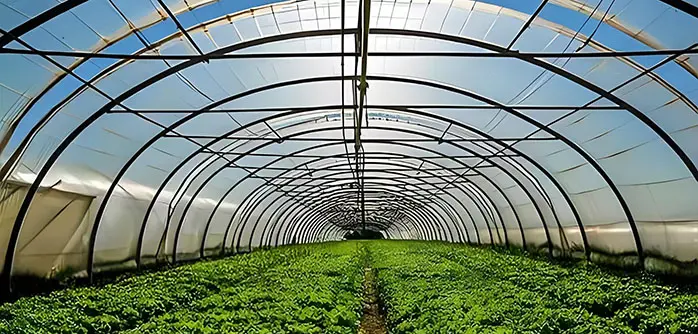
Designed and manufactured hot-dip galvanized structural profiles for a solar-integrated greenhouse project. The rooftop panels support climate control fans and drip irrigation systems, securing local agricultural yields against low rainfall and high soil salinity.
View Project Details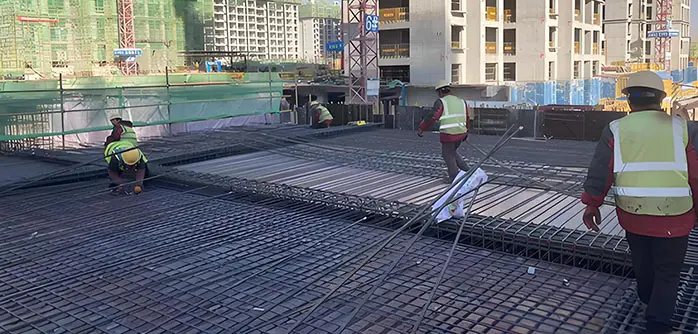
Fabricated custom H-type structural steel beams and C-channels for a coastal cargo terminal warehouse. Features a heavy-duty zinc coating class (Z275/AZ150) to support local solar panel installations, preventing corrosion from nearby marine shipping lanes.
View Project DetailsLogistics to the Central Pacific present unique challenges. Due to Kiribati’s remote location, supply chains face long transit routes, variable port infrastructures, and cargo size restrictions at Betio Port in South Tarawa or London Port in Kiritimati. Create (Tianjin) Material Co., Ltd. coordinates delivery logistics by leveraging specialized container packaging and ocean shipping arrangements.
To prevent transit corrosion during ocean shipment, all steel channels and profiles are bound with water-resistant plastic wrapping and packed in sealed containers with active desiccants. Trackers and mechanical controllers are packed in robust, export-grade plywood crates, ensuring they arrive undamaged.
Our manufacturing processes comply with strict global quality metrics. Our hot-dip galvanized structural profiles meet the standards of ASTM A123, BS EN ISO 1461, and AS/NZS 4680, which are recognized across Australia, New Zealand, and Pacific Island countries. The high-performance solar panels are certified under IEC 61215 and IEC 61730, and have passed independent salt-mist corrosion testing (IEC 61701 Severity level 6).
These certifications verify that our PV installations can operate reliably for over 25 years in harsh tropical marine environments. Choosing these systems helps developers mitigate operational risks, protect local grids from voltage drops, and secure stable returns on clean energy projects.
Expert technical answers regarding structural integrity, electrical setups, and environmental compliance for Kiribati solar installations.
Select from our certified product inventory for dependable energy generation in extreme marine zones.
Get in touch with our engineering and procurement team for custom load calculations, steel coatings, and high-yield module configurations tailored to your site.
Send Inquiry Now